
DIY bed tent ideas bring a playful, cozy layer to any bedroom. A bed tent creates a private nook above the mattress. It works well in kids’ rooms, dorm spaces, and small apartments alike. Fabric, wood, and simple hardware come together to build a canopy that feels custom. This approach costs less than a store-bought canopy. It also lets each person shape the style to match their own taste.
These builds range from breezy boho drapes to structured wooden frames. Some tents use PVC pipes for a lightweight base. Others rely on curtain rods or hula hoops for a rounded canopy shape. Soft fabrics like linen, muslin, and sheer voile create a dreamy effect. Meanwhile, string lights and macrame accents add texture and warmth. A bed tent pairs nicely with a reading nook or a small daybed setup.
This list shares eighteen practical bed tent projects for every skill level. Each idea includes materials, colors, and styling notes. Additionally, several designs work well as a project to do on your own with basic tools. Whether the goal is a cozy kids’ corner or a stylish dorm upgrade, an option waits below. Scroll through the list to find the right fit for any room.
In this post: 17 ideas
- PVC Pipe Bed Tent Frame
- Hula Hoop Canopy Tent
- Teepee-Style Bed Tent
- Curtain Rod Canopy Tent
- No-Sew Fabric Bed Tent
- String Light Canopy Tent
- Mosquito Net Bed Tent
- Wooden Dowel Frame Tent
- Ceiling-Mounted Canopy Tent
- Floor-to-Ceiling Drape Tent
- Boho Macrame Bed Tent
- Star-Shaped Kids Bed Tent
- Dorm Room Bed Tent
- Bunk Bed Tent Cover
- Sheer Gauze Canopy Tent
- Tension Rod Bed Tent
- Reading Nook Bed Tent
1. PVC Pipe Bed Tent Frame
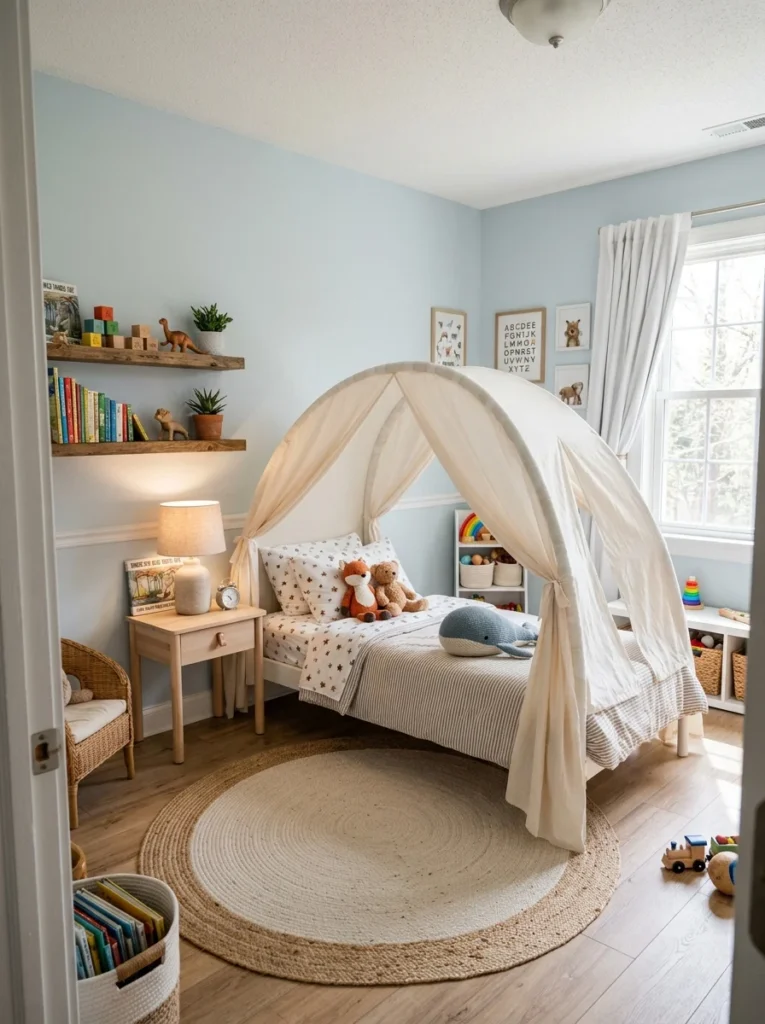
A PVC pipe frame gives a bed tent real structure without much weight. Builders cut lightweight pipes into arches and connect them with elbow joints. This frame holds fabric panels in a clean dome shape. It suits kids’ rooms and small guest spaces equally well.
Painters often wrap the pipes in fabric tape to hide the plastic look. A soft cotton canopy drapes over the frame for a finished result. This method costs very little and assembles in an afternoon. It also works as a portable option for rental bedrooms.
2. Hula Hoop Canopy Tent
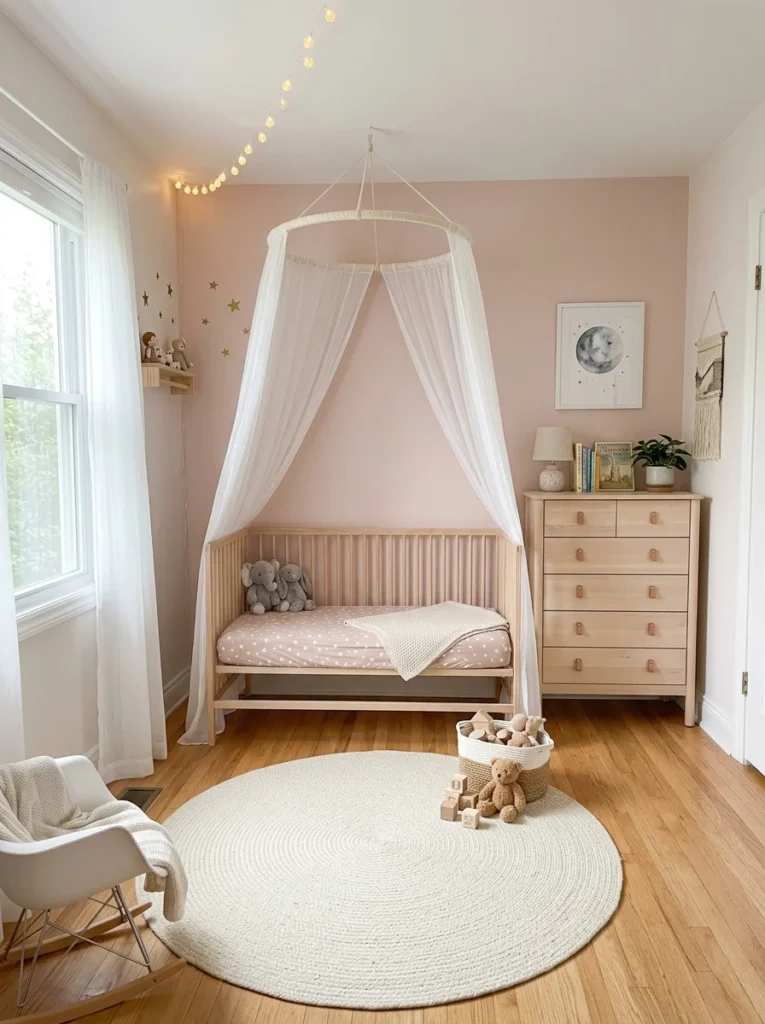
A hula hoop canopy uses one simple ring as its base. Fabric panels attach around the hoop and drape down toward the bed. This shape gives a soft, rounded silhouette above the pillows. It fits a single bed or a daybed corner nicely.
Sheer voile or muslin works best for this style. The lightweight fabric moves gently with any air current. A small hook in the ceiling holds the hoop in place. This idea suits a nursery, a reading corner, or a teen bedroom.
3. Teepee-Style Bed Tent
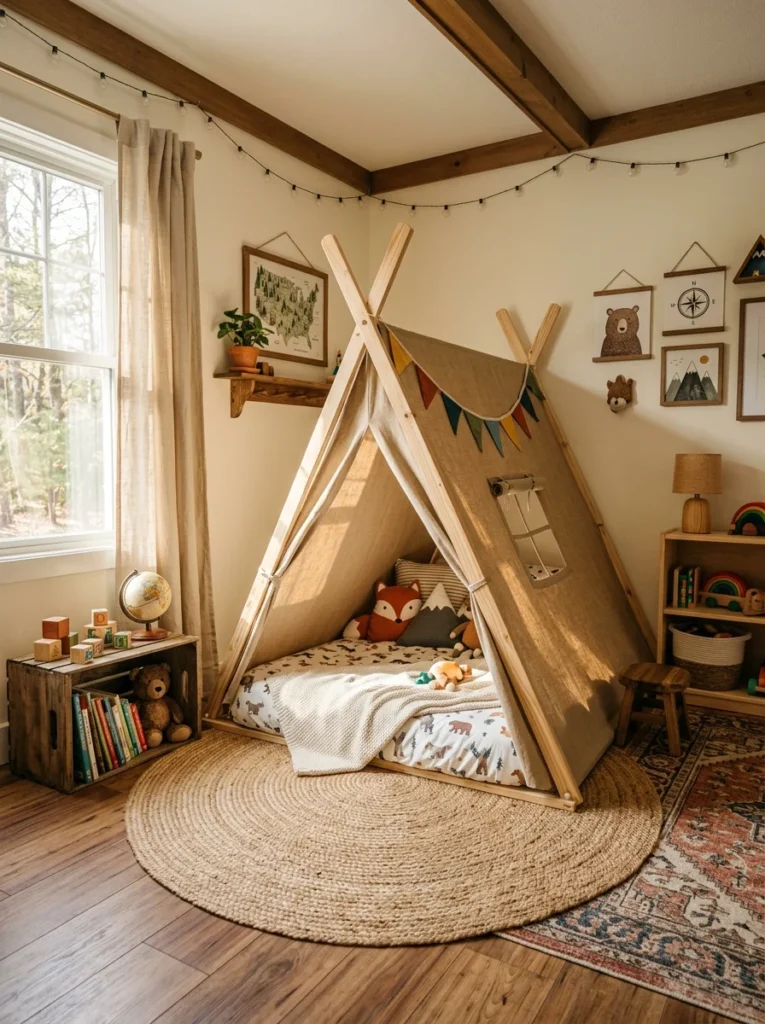
A teepee-style tent leans four or five wooden dowels together at a peak. Canvas or cotton fabric wraps around the frame in triangular panels. This shape gives a playful, adventure theme to a child’s bed. It stands freely, so no ceiling anchor is required.
Natural wood tones pair well with tan or cream canvas. Small pennant flags or pompom trim add a festive touch. This build suits a bunk bed base or a floor mattress setup. It also folds flat for easy storage between seasons.
4. Curtain Rod Canopy Tent
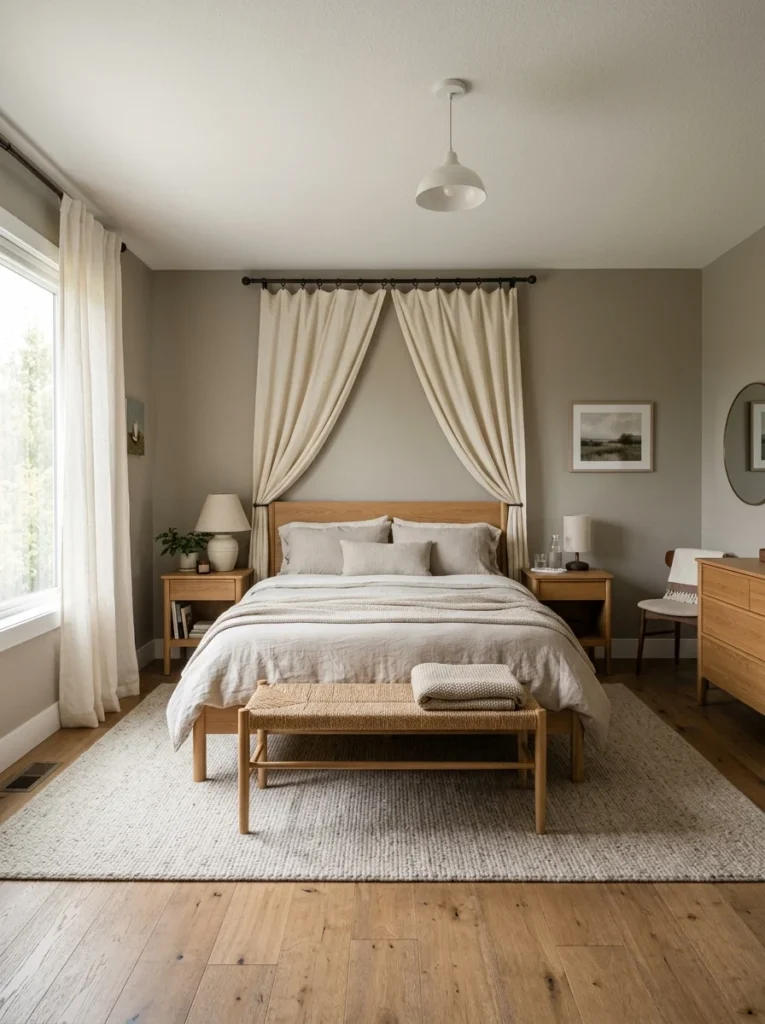
A curtain rod canopy relies on hardware most homes already have. A single rod mounts above the headboard and holds fabric panels on rings. The fabric falls open at the front, creating a cozy frame around the bed. This method works in nearly any bedroom layout.
Linen or cotton fabric in a soft neutral shade keeps the look calm. Builders often pair the rod with a set of budget-friendly bed frame options to complete the room on a tight budget. This idea suits primary bedrooms and guest rooms alike. It also allows the panels to tie back during the day.
5. No-Sew Fabric Bed Tent
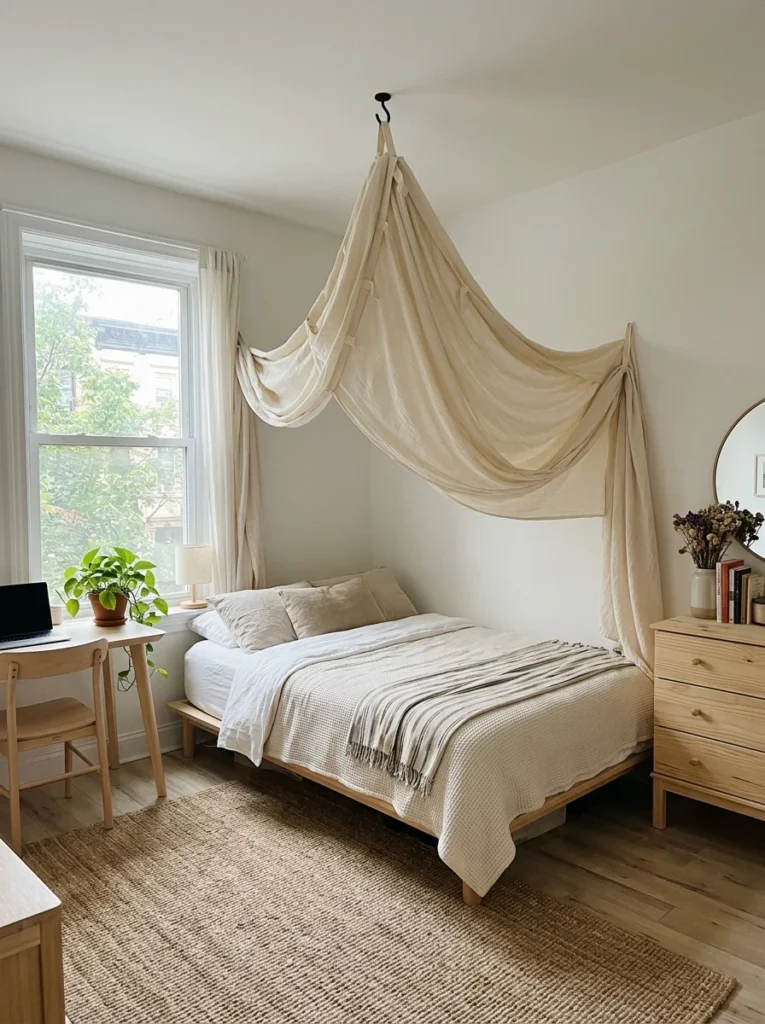
A no-sew bed tent uses fabric glue and iron-on tape instead of stitching. Panels attach to a simple frame or ceiling hooks with minimal tools. This method suits beginners who want a quick weekend project. It also keeps costs low since no sewing machine is needed.
Cotton gauze or muslin works best with fabric adhesives. The soft texture drapes naturally without stiff seams. This build fits a kids’ room, a dorm bed, or a small studio apartment. It also allows for quick fabric swaps between seasons.
6. String Light Canopy Tent
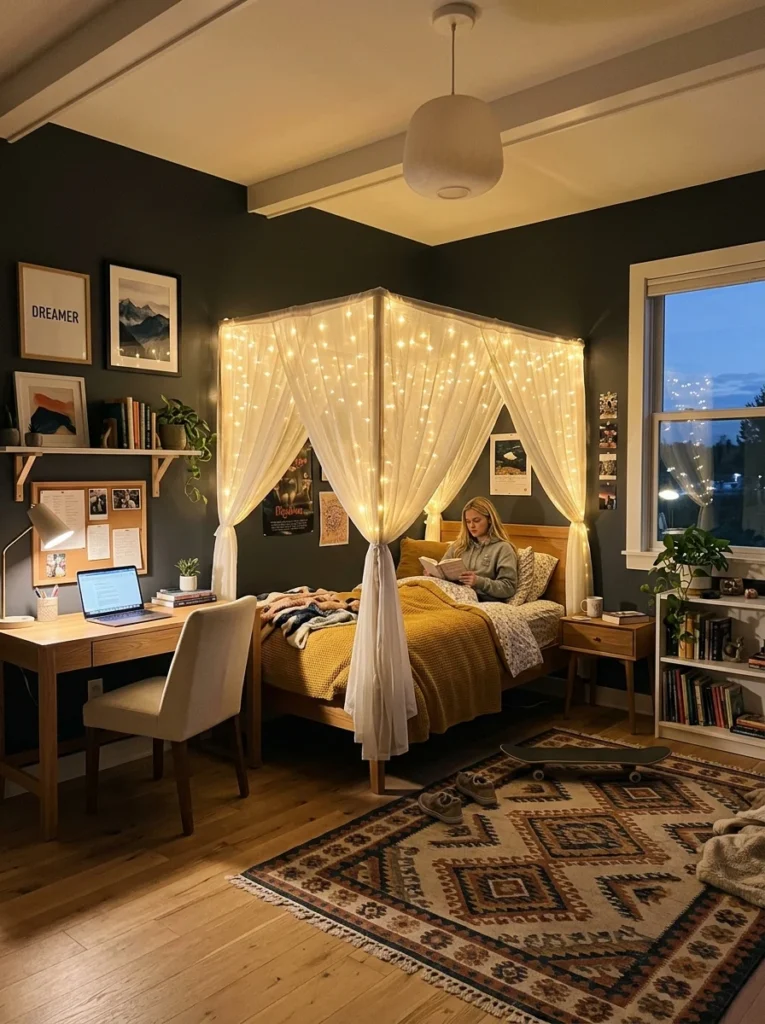
A string light canopy combines fabric panels with warm LED lighting. Lights weave along the frame edges or drape inside the fabric folds. This idea adds a soft glow above the bed at night. It works especially well in teen bedrooms and reading nooks.
Warm white lights keep the mood calm rather than harsh. Sheer fabric lets the light diffuse evenly through the tent. This build pairs nicely with a small nightstand lamp for extra ambiance. It also makes bedtime reading feel more inviting.
7. Mosquito Net Bed Tent
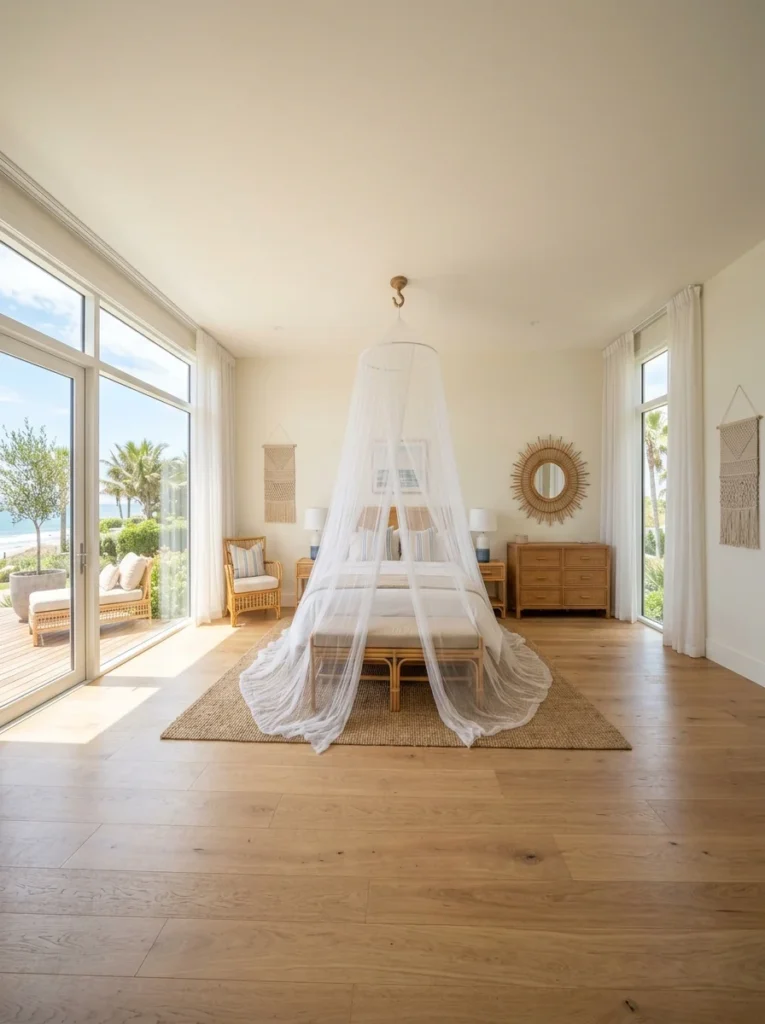
A mosquito net bed tent uses fine mesh fabric for a breezy, airy look. This style suits warm climates and coastal bedroom themes especially well. The net drapes from a ceiling hook or a simple round frame. It offers a soft filter of light throughout the day.
White or ivory netting pairs well with rattan furniture and light wood tones. This idea also serves a practical purpose in areas with insects. Builders can add tiebacks for daytime use and full drape at night. It suits primary bedrooms as much as guest rooms.
8. Wooden Dowel Frame Tent
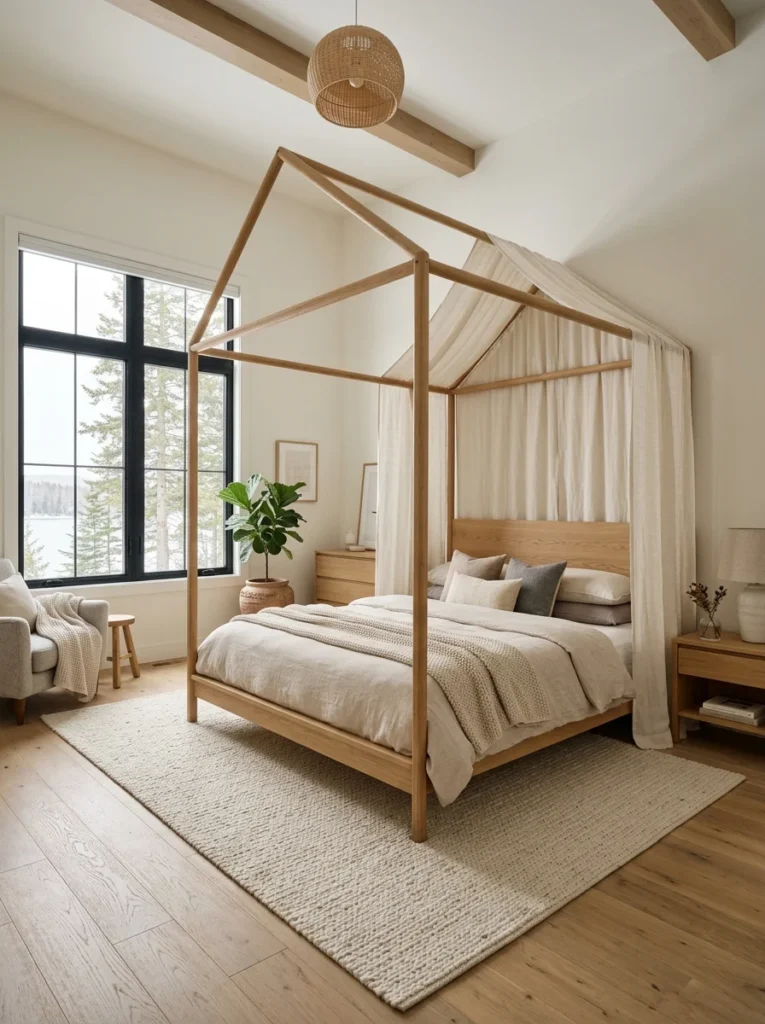
A wooden dowel frame gives a bed tent a natural, handcrafted feel. Four dowels form the corner posts, connected by a simple top frame. Fabric panels hang from the top rail down to the floor. This structure suits a farmhouse or Scandinavian bedroom style.
Builders often stain the dowels to match existing furniture, such as a wood headboard project already in the room. Natural linen fabric completes the organic look. This idea works well in primary bedrooms with higher ceilings. It also holds up over several years with basic upkeep.
 You may also like20 DIY Christmas Earrings That Are Quick to Make
9. Ceiling-Mounted Canopy Tent
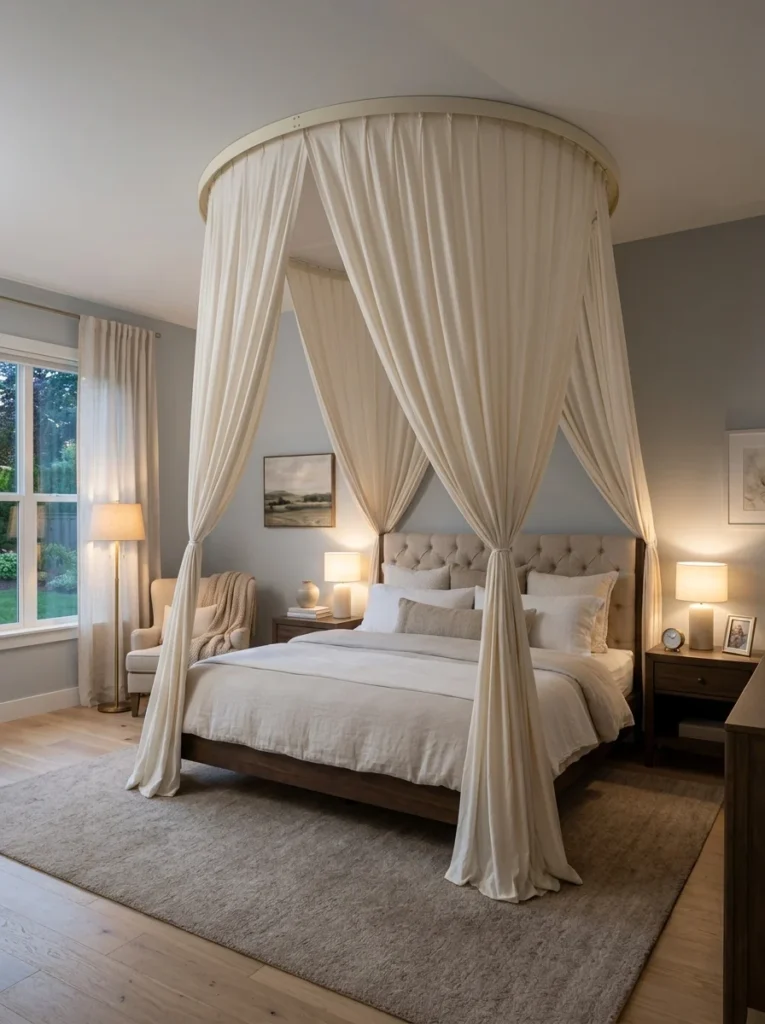
A ceiling-mounted canopy attaches directly to a hook above the bed. Fabric flows down in soft folds toward the mattress corners. This method skips a full frame, keeping the design light and airy. It suits bedrooms with limited floor space.
A round or square mounting plate keeps the fabric evenly distributed. Sheer or lightweight cotton works best for this drape style. This idea pairs well with a canopy bed frame for extra height. It also photographs beautifully with soft, ambient lighting.
10. Floor-to-Ceiling Drape Tent
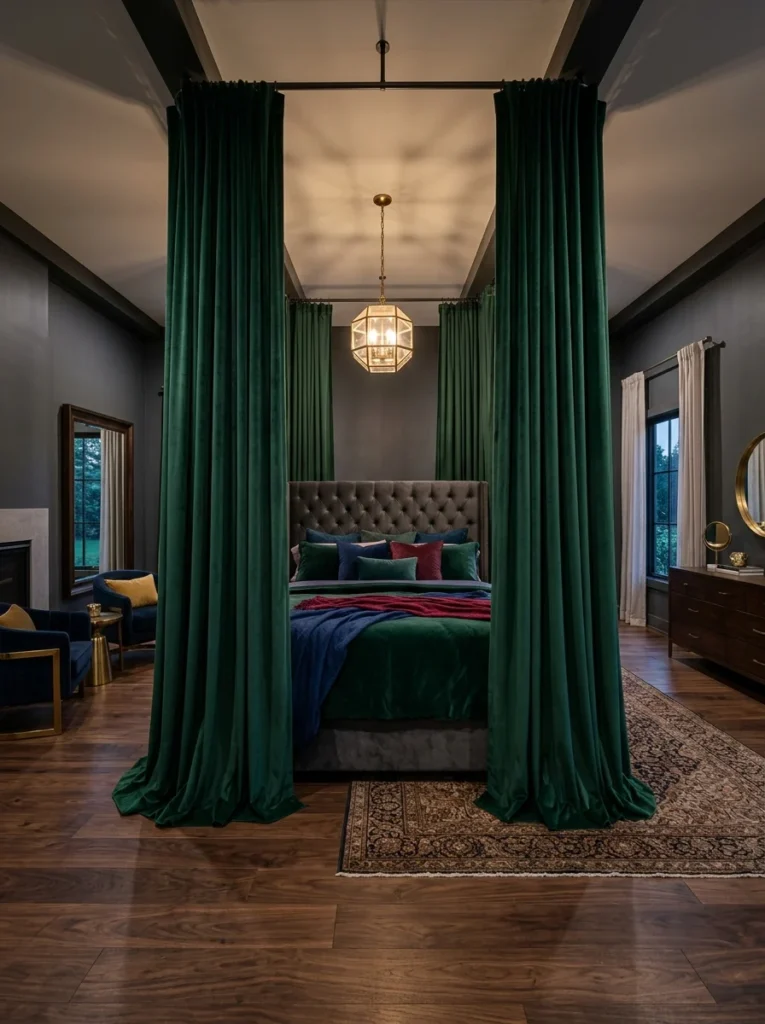
A floor-to-ceiling drape tent uses long fabric panels that pool slightly at the base. This style creates a dramatic, enclosed feel around the bed. Heavier fabrics like velvet or cotton blends work well here. The extra length adds a layered, luxurious quality.
Rich jewel tones or deep neutrals suit this bold approach. A sturdy ceiling track supports the added fabric weight. This idea fits primary bedrooms with tall ceilings and larger floor plans. It also blocks morning light for a darker sleep environment.
11. Boho Macrame Bed Tent
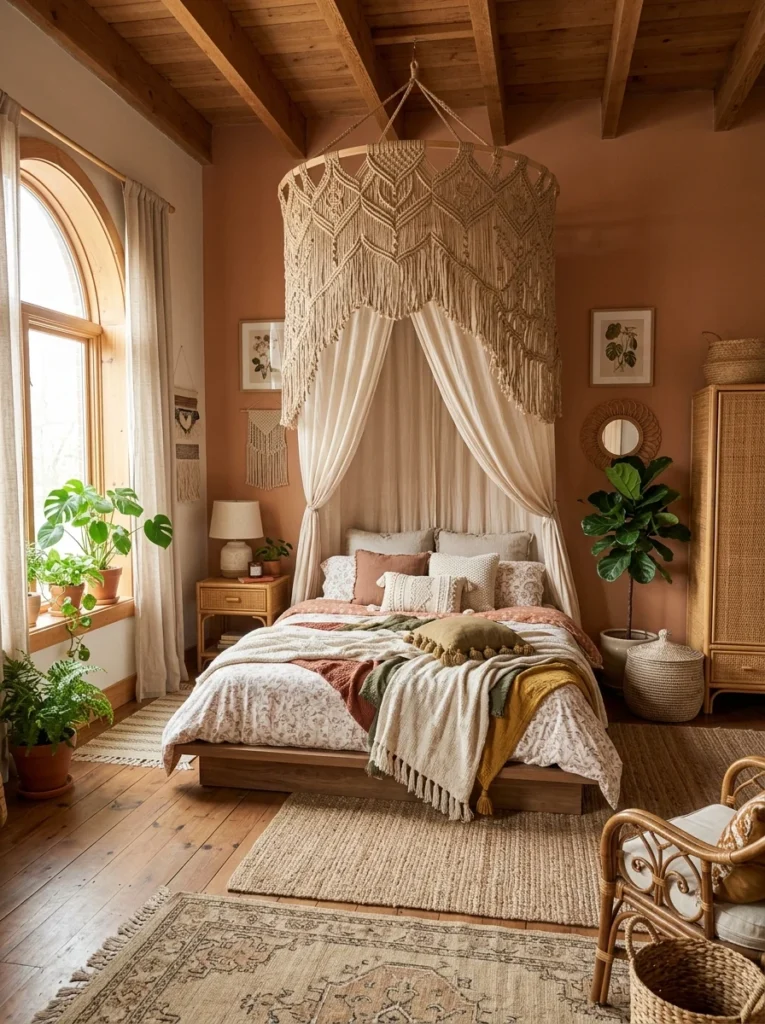
A boho macrame bed tent layers woven cord panels with soft fabric underneath. The knotted texture adds visual interest above the pillows. This style suits eclectic and bohemian bedroom themes especially well. It pairs naturally with rattan furniture and layered textiles.
Natural jute or cotton cord keeps the palette warm and earthy. Builders often add tassels or fringe along the tent edges. This idea works in a primary bedroom corner or a cozy reading nook. It also mixes well with plants and woven baskets nearby.
12. Star-Shaped Kids Bed Tent
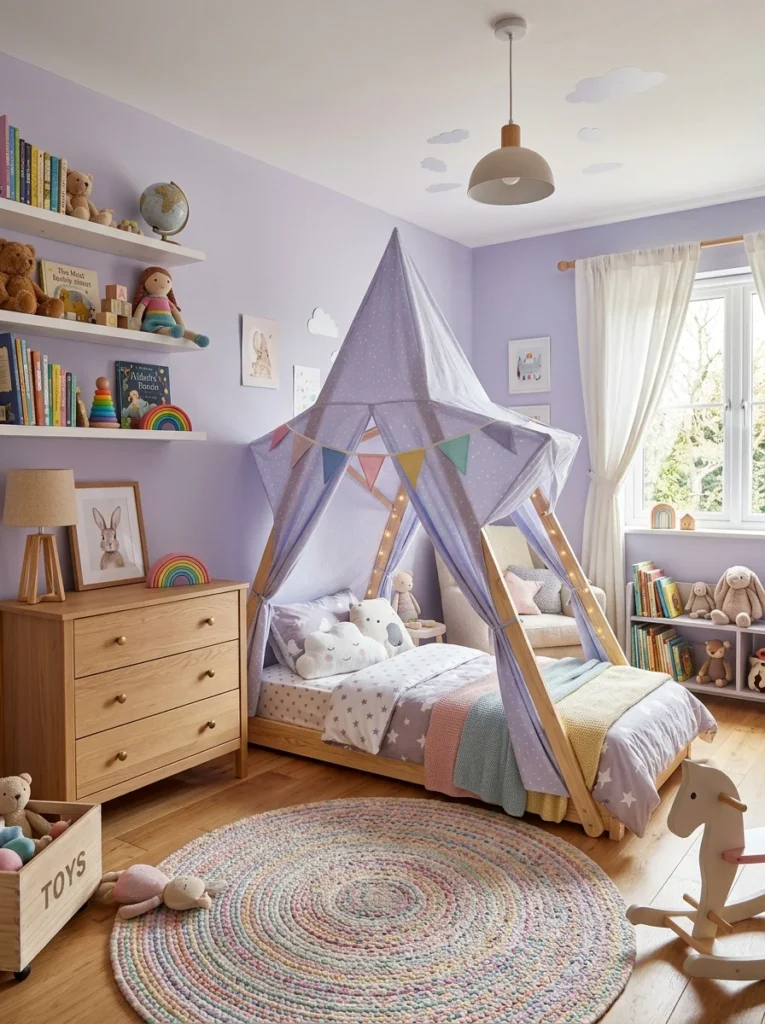
A star-shaped bed tent uses a pointed frame for a whimsical kids’ theme. Wooden slats or flexible rods form the star silhouette above the bed. Fabric stretches over the frame in a playful, sculptural shape. This idea suits children’s bedrooms with a fantasy or celestial theme.
Soft pastel fabric or a starry-print cotton completes the look. Builders often add a small pennant banner along the front opening. This project works well as a project to do on your own over a weekend. It also becomes a favorite reading spot for young children.
13. Dorm Room Bed Tent
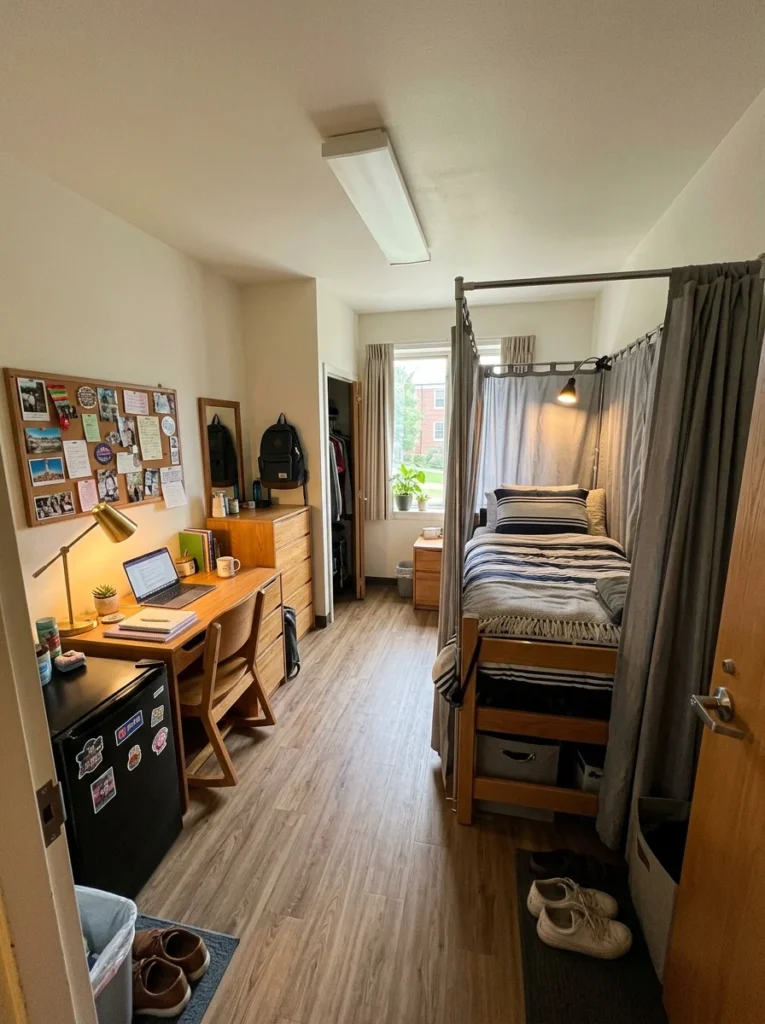
A dorm room bed tent offers privacy in a shared living space. A tension rod frame mounts without drilling into dorm walls. Fabric panels hang down around three sides of a twin bed. This setup suits dorm room styling where space and rules are limited.
Lightweight cotton or polyester blends work well for easy washing. A small clip light attaches inside for late-night studying. This idea packs flat for moving between semesters. It also adds a personal touch to a shared or rented room.
14. Bunk Bed Tent Cover
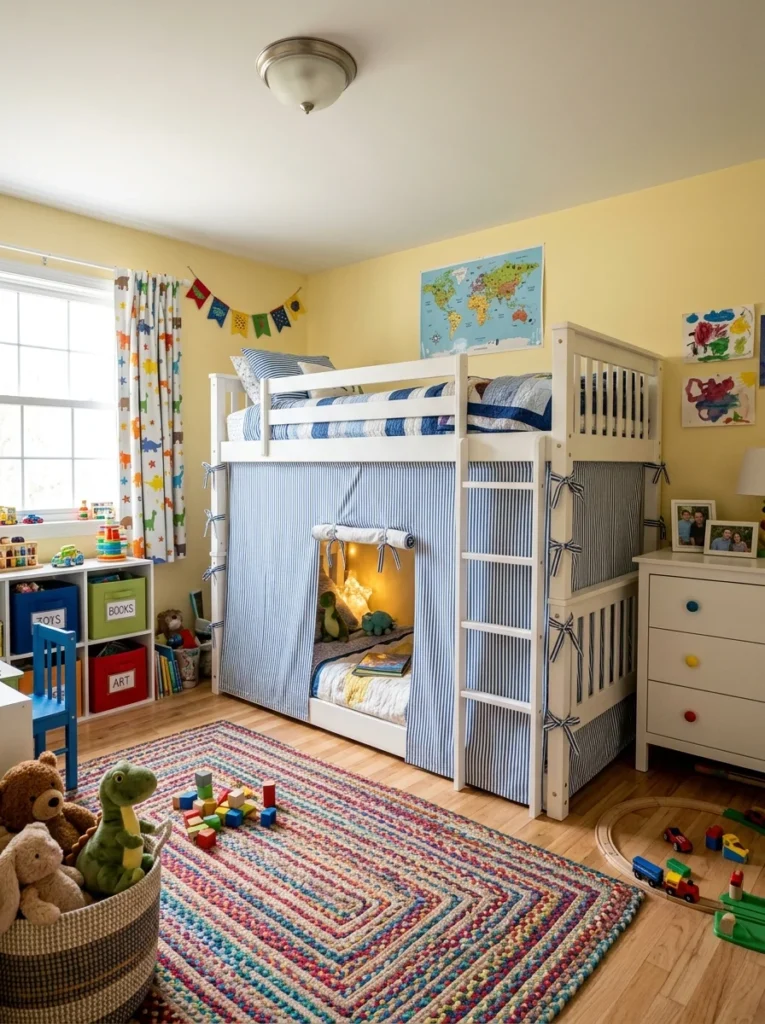
A bunk bed tent cover wraps around the top or bottom bunk frame. Fabric panels attach to the existing bed rails using clips or ties. This idea gives each child a private, enclosed sleeping area. It suits shared bedrooms with siblings especially well.
Bright colors or themed prints help distinguish each bunk. Builders often add a small pocket for books or a flashlight. This method avoids permanent changes to rental furniture. It also makes bedtime feel like a special hideaway.
15. Sheer Gauze Canopy Tent
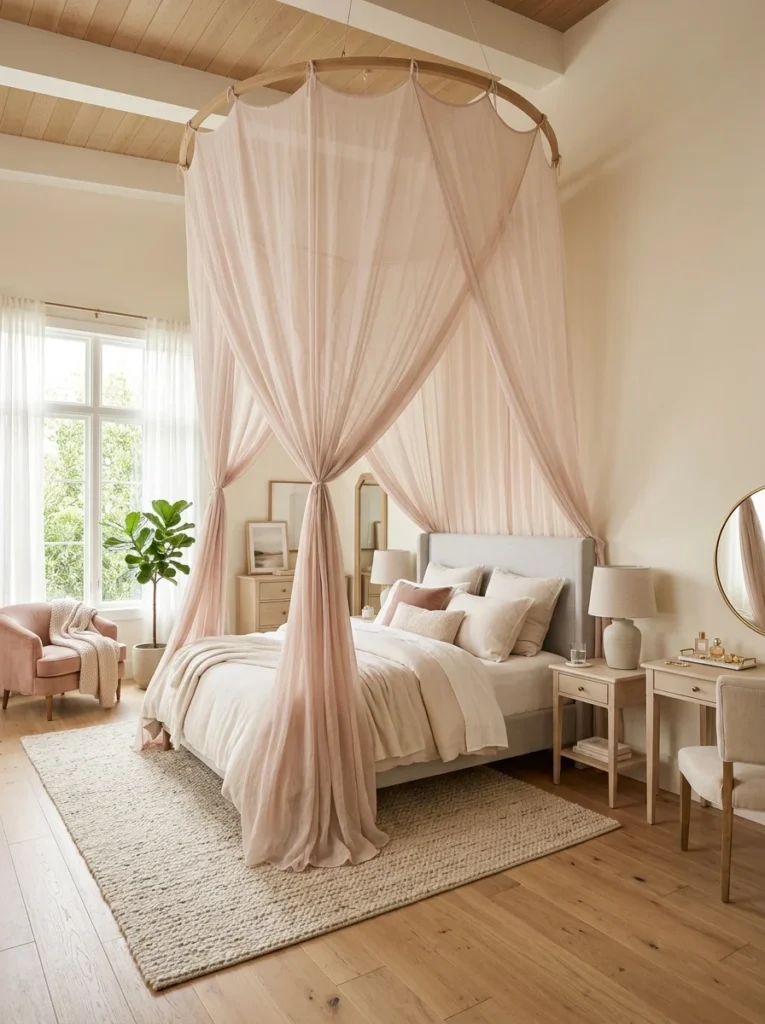
A sheer gauze canopy tent uses lightweight, semi-transparent fabric for a soft, dreamy look. This style suits romantic or coastal bedroom themes especially well. The fabric allows natural light through while adding gentle privacy. It drapes easily from a round or square frame.
White or blush gauze pairs beautifully with soft neutral bedding. This idea works well above a queen or king bed frame. Builders often layer two panels for extra fullness. It also adds a soft focal point to an otherwise simple room.
16. Tension Rod Bed Tent
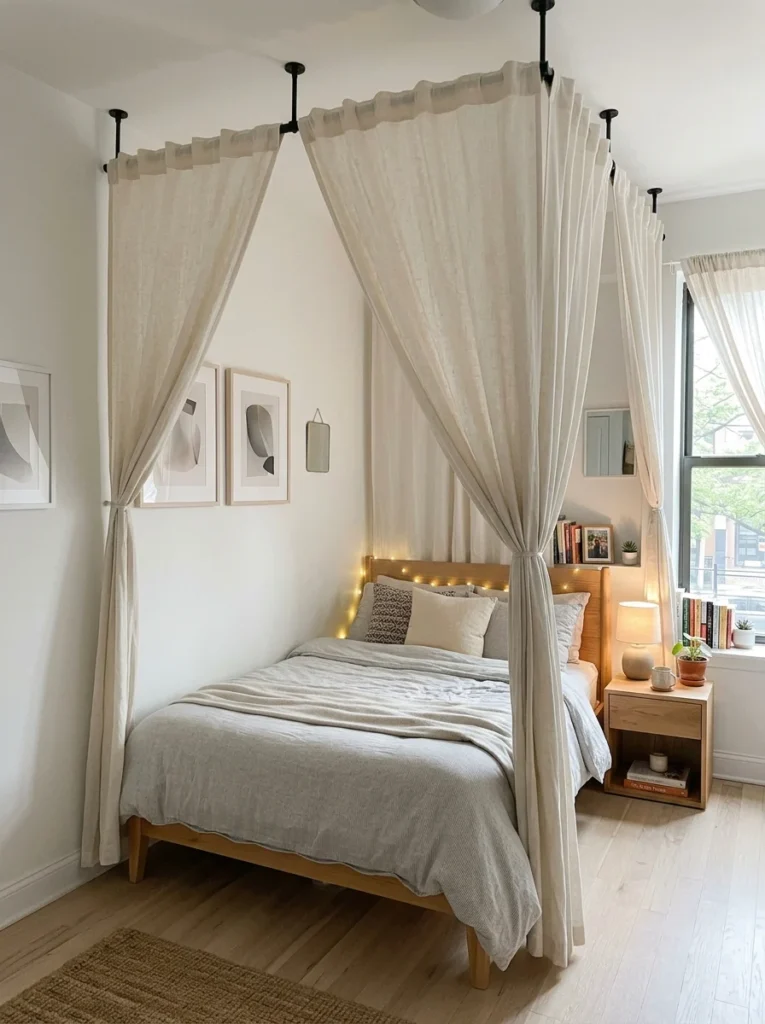
A tension rod bed tent skips permanent mounting hardware entirely. Two rods wedge between the wall and headboard to form a simple frame. Fabric panels hang from the rods down each side of the bed. This method suits renters who cannot drill into walls.
Cotton or linen fabric in a light shade keeps the design airy. This idea assembles and disassembles in under an hour. It works well in a studio apartment or a temporary guest room. It also pairs nicely with space-saving hideaway beds in small footprints.
18. Reading Nook Bed Tent
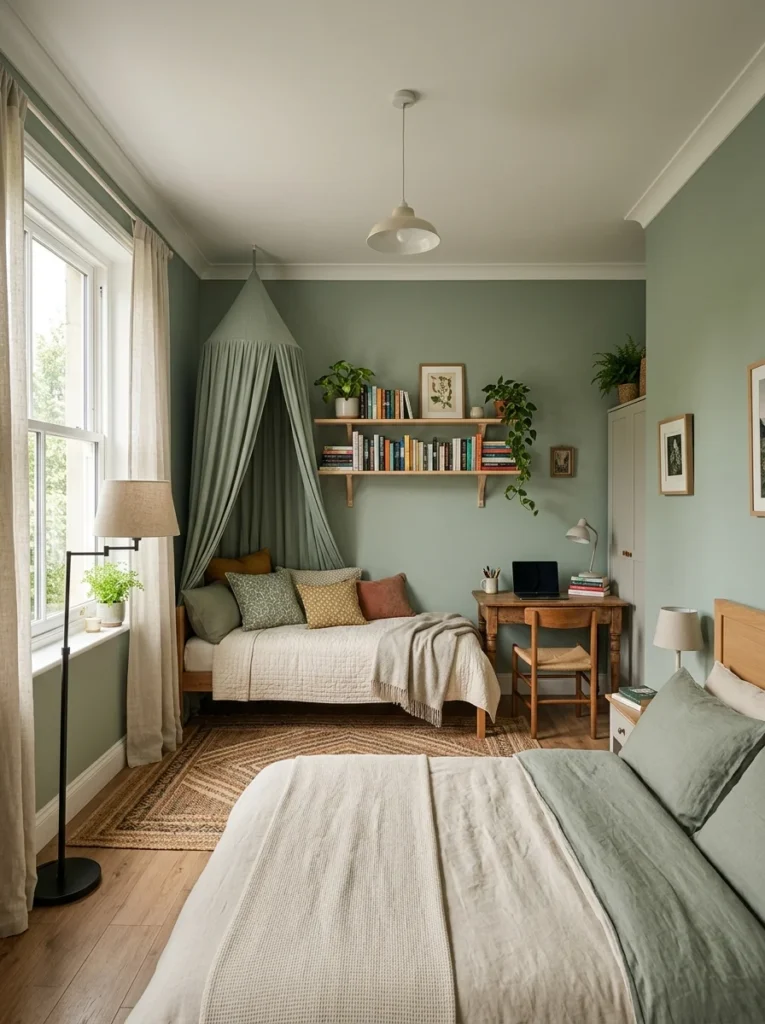
A reading nook bed tent turns a bed corner into a defined little library. A small frame or hanging canopy marks off the space above the pillows. A few shelves or a floating ledge hold favorite books nearby. This idea suits daybed nook designs in multipurpose rooms.
Soft, muted fabric keeps the space calm for quiet time. A small lamp or clip light adds task lighting for reading. This build works in a child’s room or a home office guest corner. It also gives the whole room a cozy, intentional focal point.
Materials You Need for a DIY Bed Tent
Most bed tent projects start with a few core materials. Fabric forms the largest part of the budget, so choose it carefully. Lightweight options include muslin, voile, and cotton gauze. Heavier options include linen, canvas, and cotton blends.
A frame material comes next, whether PVC pipe, wooden dowels, or a curtain rod. Basic hardware like hooks, clips, and rings hold everything together. A sewing machine helps but is not required for no-sew methods. Fabric glue, iron-on tape, and hot glue guns all work as substitutes.
Additional touches like string lights, tassels, or trim add personality. A staple gun speeds up fabric attachment on wooden frames. Measuring tape and fabric scissors round out the basic toolkit. Most projects finish within a single weekend using these simple supplies.
How to Choose the Right Fabric for a Bed Tent
Fabric choice shapes both the look and the function of a bed tent. Lightweight sheers like voile and gauze let in soft light. They suit warm rooms and airy, boho-inspired themes. However, they offer less privacy than heavier fabrics.
Cotton and linen strike a balance between softness and structure. These fabrics hold their shape well over a wooden or PVC frame. They also wash easily, which matters for kids’ rooms. Heavier fabrics like velvet or canvas block more light and add drama.
Color also plays a role in the overall mood. Pale neutrals keep a room feeling calm and spacious. Bold or patterned fabric works well as a statement piece in a simple room. Testing a small fabric sample under bedroom lighting helps confirm the final choice.
Common Mistakes to Avoid When Building a Bed Ten
Skipping measurements ranks among the most common mistakes. A frame built without exact bed dimensions often ends up too tight or too loose. Always measure the mattress and ceiling height before cutting any materials.
Choosing fabric that is too heavy for the frame causes sagging over time. Lightweight frames like PVC pipe need lightweight fabric to match. Additionally, skipping a weight test before final installation can lead to a collapsed canopy.
Ignoring ventilation creates a stuffy sleeping space. Sheer or gauze panels help air circulate even with the tent closed. Finally, mounting hardware into weak drywall without anchors risks damage to both wall and frame. A stud finder helps locate secure mounting points.
More ideas: For more inspiration, take a look at these DIY hydroponic system ideas.
FAQs About DIY Bed Tent Ideas
How much does a DIY bed tent cost? Most builds cost between twenty and eighty dollars, depending on fabric and frame choice. PVC and no-sew methods stay on the lower end of that range.
What fabric works best for beginners? Cotton or muslin offers an easy starting point. Both fabrics cut cleanly and drape well without special sewing skills.
Can a bed tent work in a rental apartment? Yes, tension rods and ceiling hooks with removable adhesive both avoid permanent damage. These methods suit renters especially well.
How long does a bed tent project usually take? Most simple designs finish within a single afternoon. More detailed builds, like a wooden dowel frame, may take a full weekend.
Is a bed tent safe for young children? Yes, when frames are secured properly and lightweight fabric is used. Avoid heavy materials that could fall and always check hardware regularly.

Written by Stephanie Fallis
Mom and homemaker who shares budget friendly DIY projects, decorating tips and gardening ideas for busy families.
More about me → Christmas ideas21 DIY Christmas Cards That Are Fun to Make
 Christmas ideas22 Christmas Plants for a Festive Green Home
 Christmas ideas21 Farmhouse Christmas Decor Ideas: Simple and Rustic