
Dresser placement at the foot of the bed turns an empty stretch of floor into a functional focal point. This layout works well in bedrooms of nearly every size, from cozy guest rooms to wide primary suites. It gives clothing storage a natural home without crowding the walls near the headboard. Many homeowners choose this setup because it keeps the room symmetrical and balanced.
Warm wood tones and soft neutral palettes suit this layout best, though bold finishes work too. A low dresser adds visual weight without blocking a window or door. Meanwhile, it creates an easy landing spot for folded blankets, luggage, or a reading lamp. Interior stylists often recommend this placement in primary suites, guest rooms, and even studio apartments. As a result, the bed becomes the true centerpiece of the space.
The eighteen ideas below cover materials, finishes, and layout tricks for nearly any bedroom style. Each one balances scale, walking clearance, and storage needs. From mirrored finishes to angled corners, these dresser placement ideas suit small rooms and spacious primary suites. Additionally, several tips pair the dresser with lighting, rugs, or wall art for a finished look. Readers can pick one idea or combine several for a personalized layout.
In this post: 18 ideas
- Center the Dresser as a Bed-Facing Focal Point
- Choose a Low-Profile Dresser for Better Sightlines
- Flank the Foot of the Bed with a Bench-Height Dresser
- Use a Long Dresser as a Media Console
- Add a Mirrored Dresser for Visual Depth
- Pair the Dresser with a Woven Bench or Ottoman
- Match the Dresser Finish to the Headboard
- Leave Enough Walking Clearance Around the Bed
- Use a Dresser to Anchor a Small Bedroom Layout
- Angle the Dresser Into a Corner
- Use a Dresser as a Soft Room Divider
- Hang Art or a Gallery Wall Above the Dresser
- Add Warm Task Lighting Above the Dresser
- Choose a Slim Dresser for Narrow Footprints
- Style the Top with Trays and Baskets
- Layer a Textured Rug Beneath the Dresser
- Try a Two-Tone Dresser for Contrast
- Finish the Vignette with Greenery or a Vase
1. Center the Dresser as a Bed-Facing Focal Point
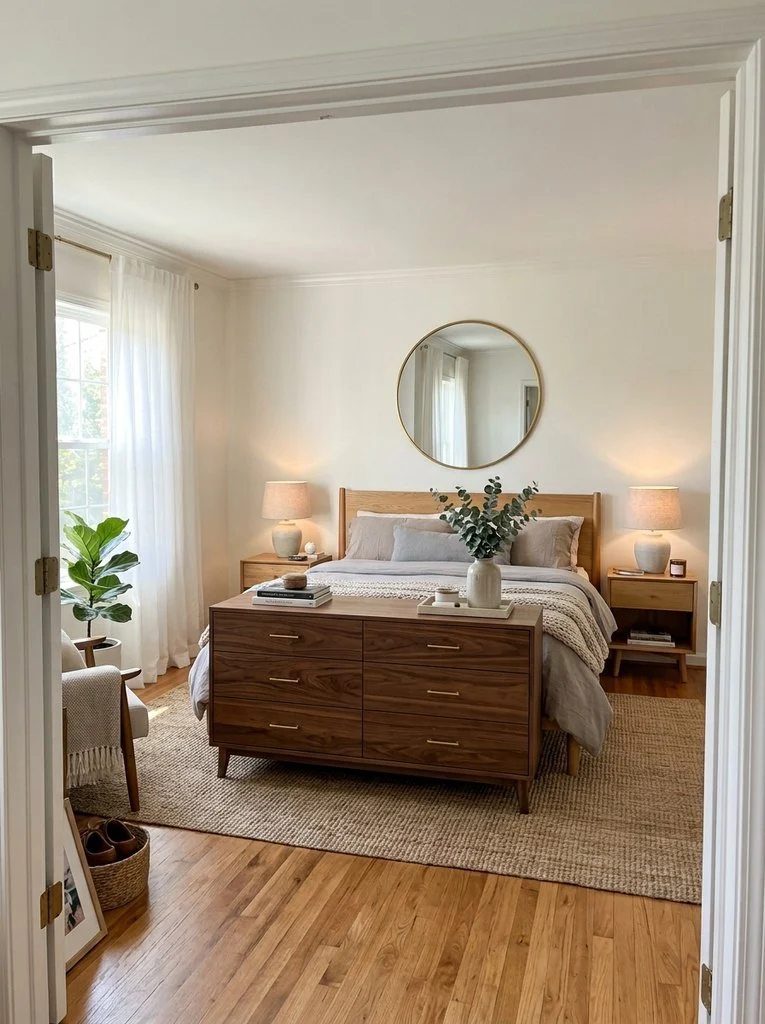
Centering the dresser directly across from the bed creates instant symmetry. This dresser placement at the foot of the bed draws the eye down the length of the room. It also gives a clear spot to view outfits before getting dressed.
A wide dresser with six or eight drawers works best here. Choose a finish that contrasts gently with the bedding for definition. This layout suits primary bedrooms with generous floor space on every side.
2. Choose a Low-Profile Dresser for Better Sightlines
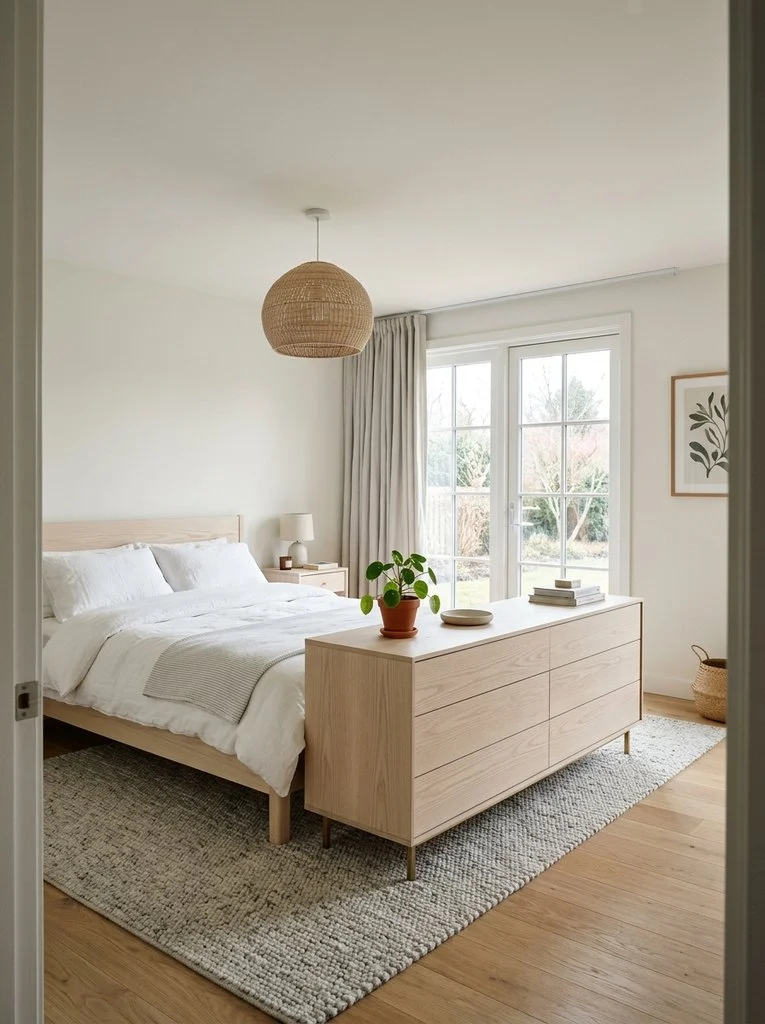
A low, horizontal dresser keeps the footboard view open. It sits below the sightline of most beds, so natural light still reaches the far wall. This choice suits rooms with lower ceilings or smaller windows.
Mid-century and Scandinavian styles favor this shape naturally. Pair it with slim brass or wood legs for an airy feel. The result feels grounded without closing off the room.
3. Flank the Foot of the Bed with a Bench-Height Dresser
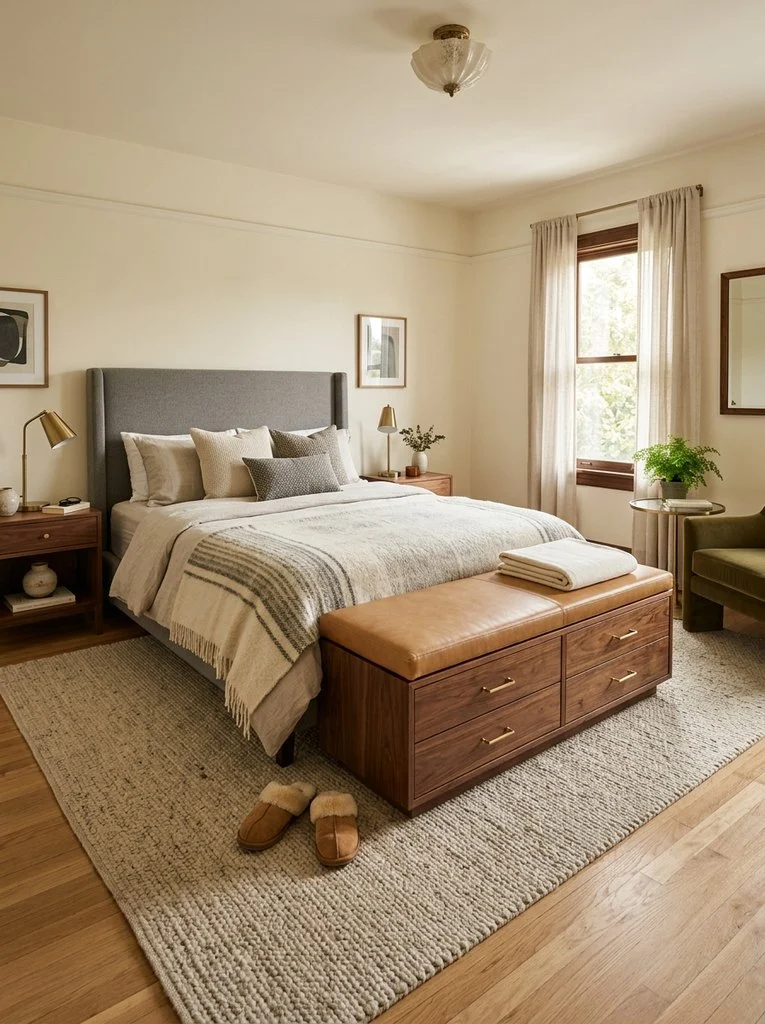
A bench-height dresser doubles as extra seating at the end of the bed. It works well for tying shoes or laying out clothes each morning. This dual-purpose piece saves floor space in compact layouts.
For bedrooms without room for a separate bench, this combination solves two needs at once. Readers exploring small sitting area ideas will find this pairing especially useful. A cushioned top adds comfort without sacrificing storage.
4. Use a Long Dresser as a Media Console
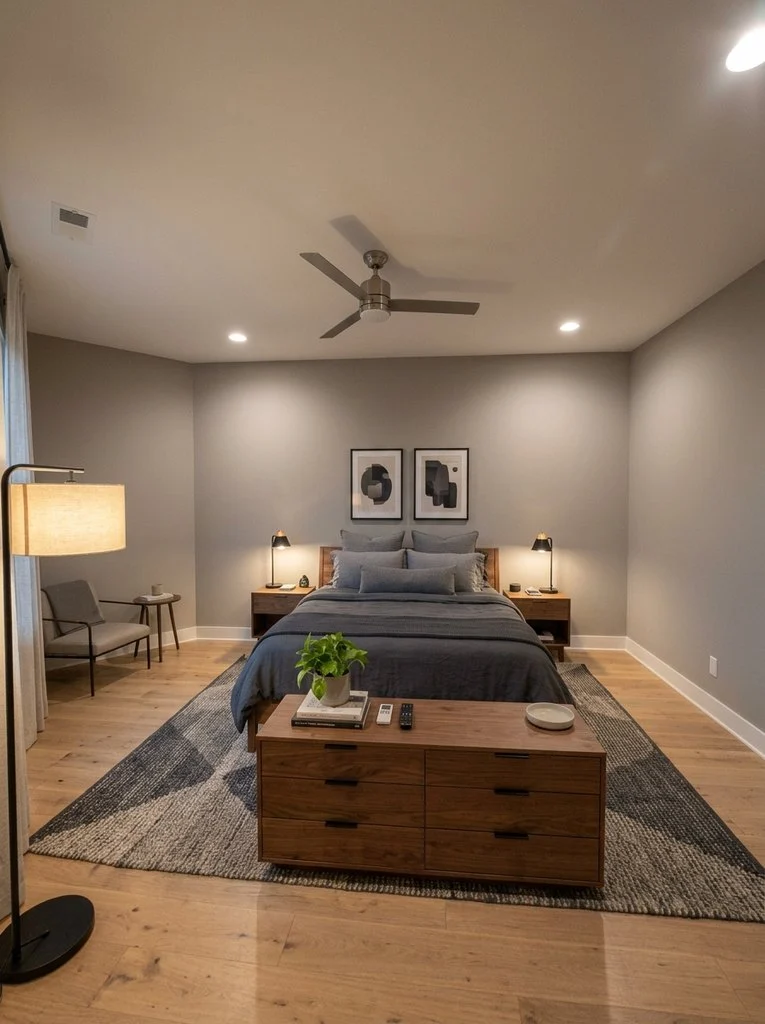
A long, low dresser at the foot of the bed can double as a television stand. This setup keeps cords tucked inside drawers and out of sight. It also removes the need for a separate media unit.
Choose a dresser with open cable routing on the back panel. Leave enough clearance for airflow behind any electronics. This bedroom furniture placement works especially well in guest rooms or studio apartments.
5. Add a Mirrored Dresser for Visual Depth
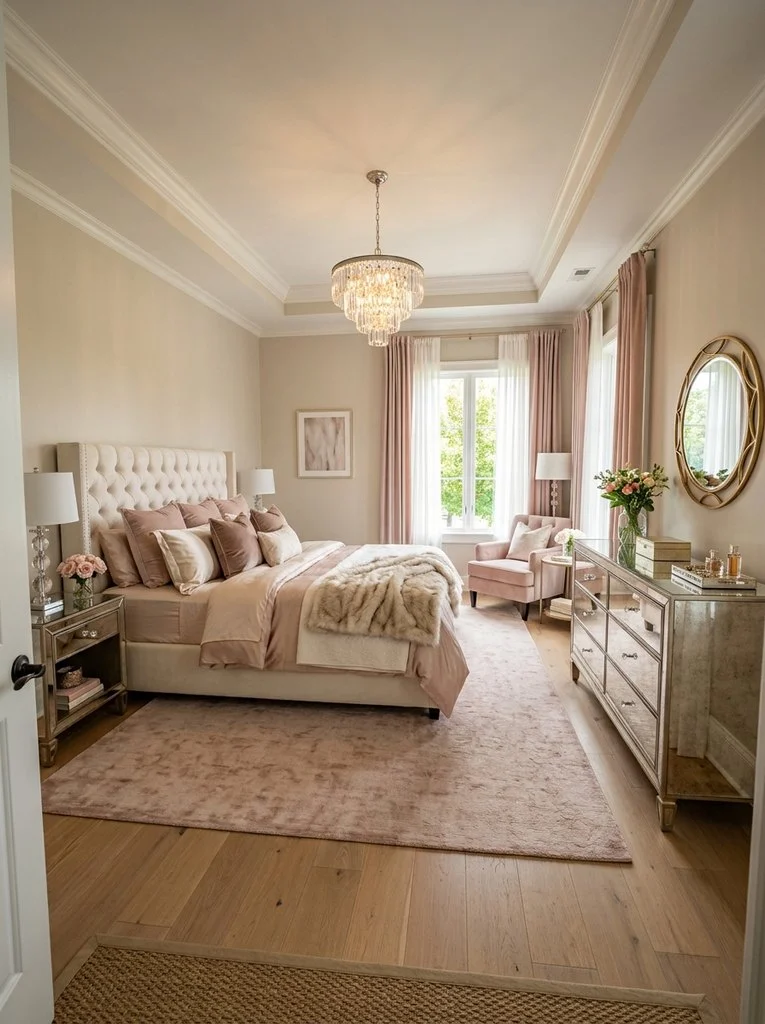
A mirrored dresser reflects light and makes a small bedroom feel larger. Placed at the foot of the bed, it bounces daylight back toward the headboard. This trick works especially well in rooms with limited windows.
Glam and traditional bedrooms benefit most from this finish. However, a mirrored piece also softens modern spaces when paired with simple bedding. Keep the surrounding walls uncluttered so the reflection stays clear.
6. Pair the Dresser with a Woven Bench or Ottoman
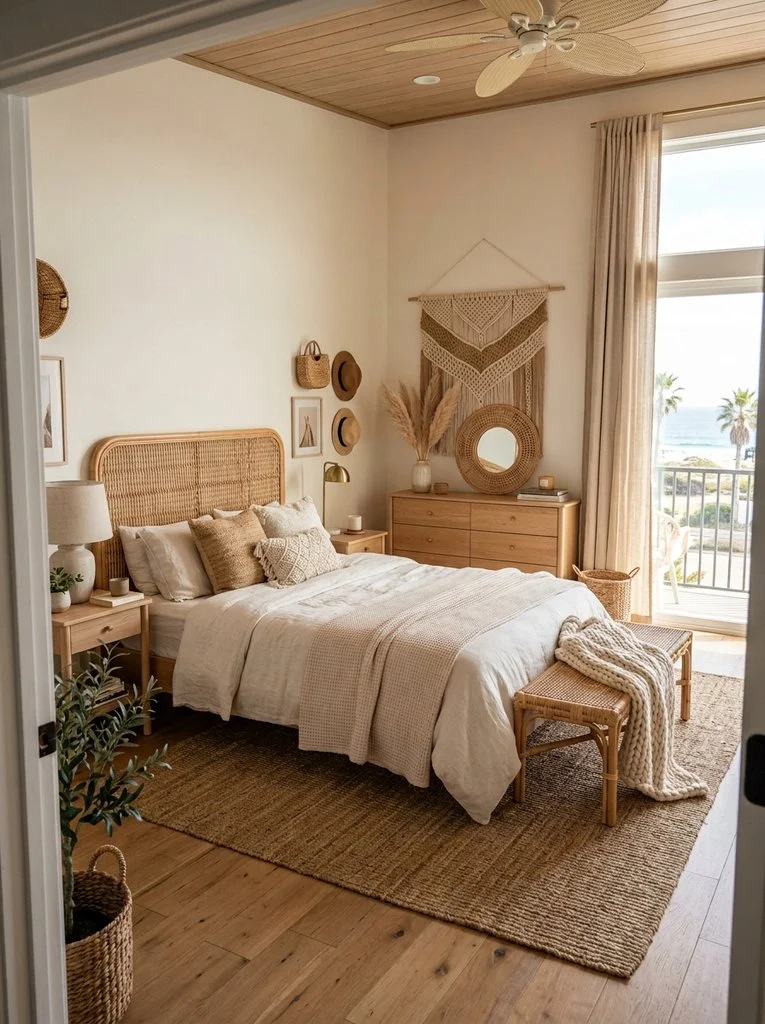
Placing a small woven bench beside the dresser softens the footboard area. The texture contrast between wood and rattan adds warmth. This combination suits coastal, boho, and farmhouse bedrooms alike.
The bench also gives guests a place to set a bag or jacket. Keep the pairing narrow so walking space stays open. A neutral cushion ties the two pieces together visually.
7. Match the Dresser Finish to the Headboard
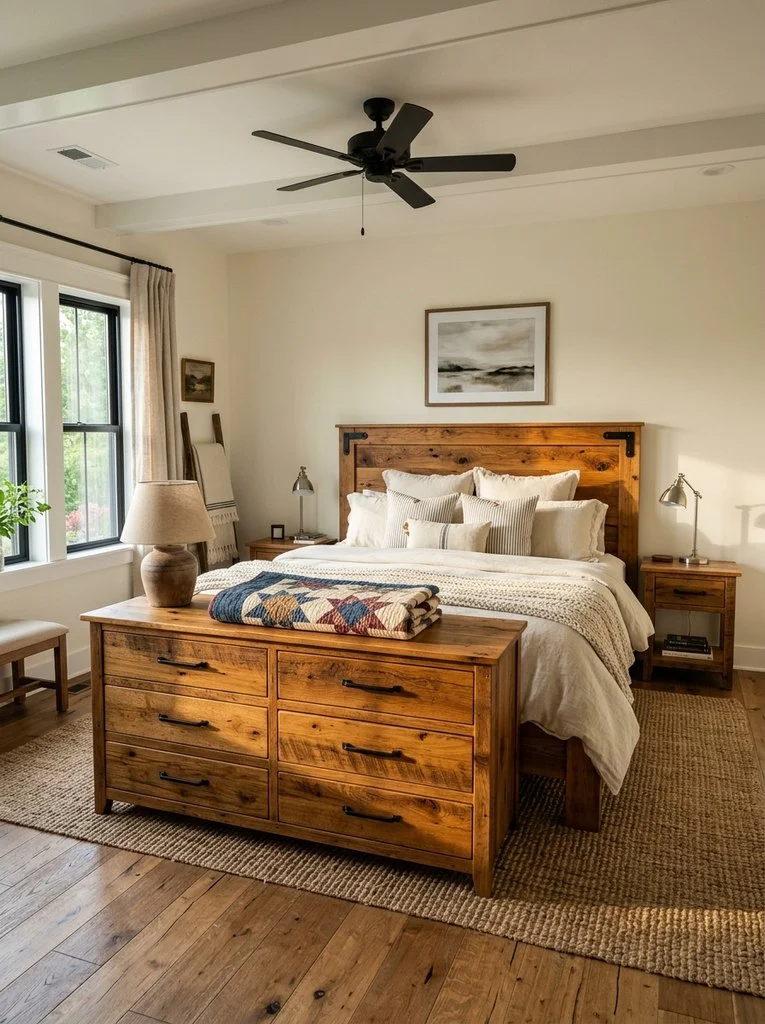
Matching wood tones between the headboard and dresser creates a cohesive look. This dresser placement at foot of bed feels intentional rather than accidental. It also simplifies shopping, since only one finish needs coordinating.
For those who prefer to do it on their own, a fresh coat of paint updates any secondhand dresser to match. Readers can browse more dresser styles for finish inspiration. Consistent hardware across both pieces completes the pairing.
8. Leave Enough Walking Clearance Around the Bed
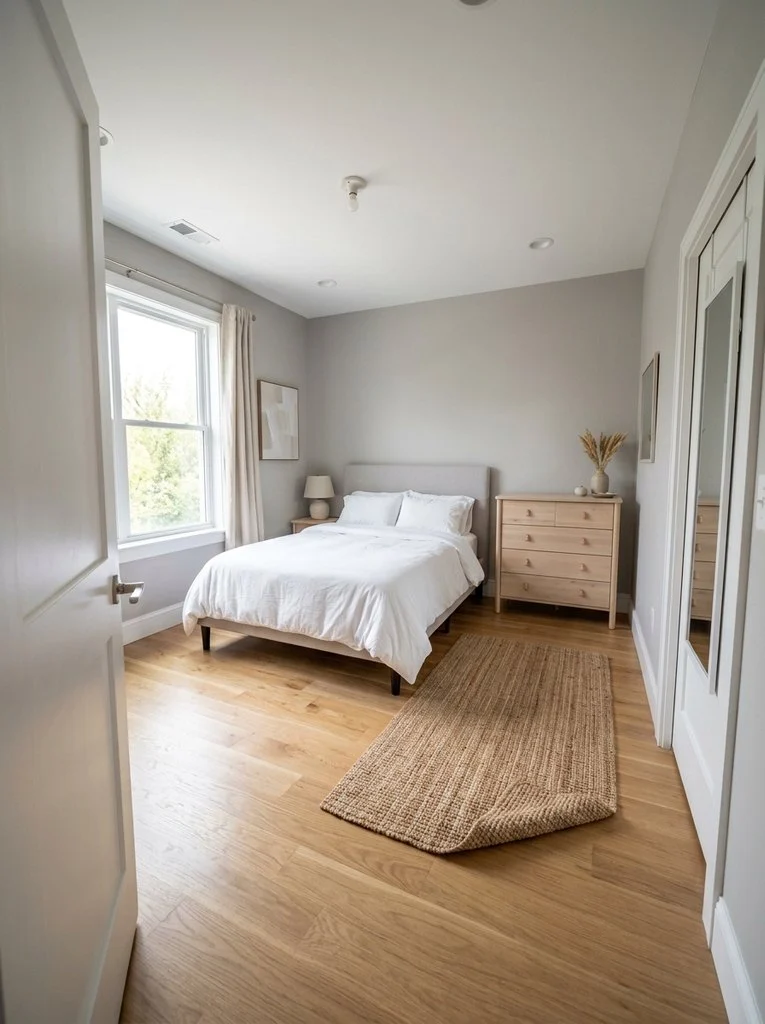
Clearance matters as much as style in this layout. Most designers recommend at least two feet of walking space between the bed and dresser. This spacing keeps the room functional for daily movement.
Measuring before buying prevents a cramped footboard area. A tape measure and painter’s tape on the floor show the true footprint. This step avoids costly returns and awkward furniture arrangement later.
9. Use a Dresser to Anchor a Small Bedroom Layout
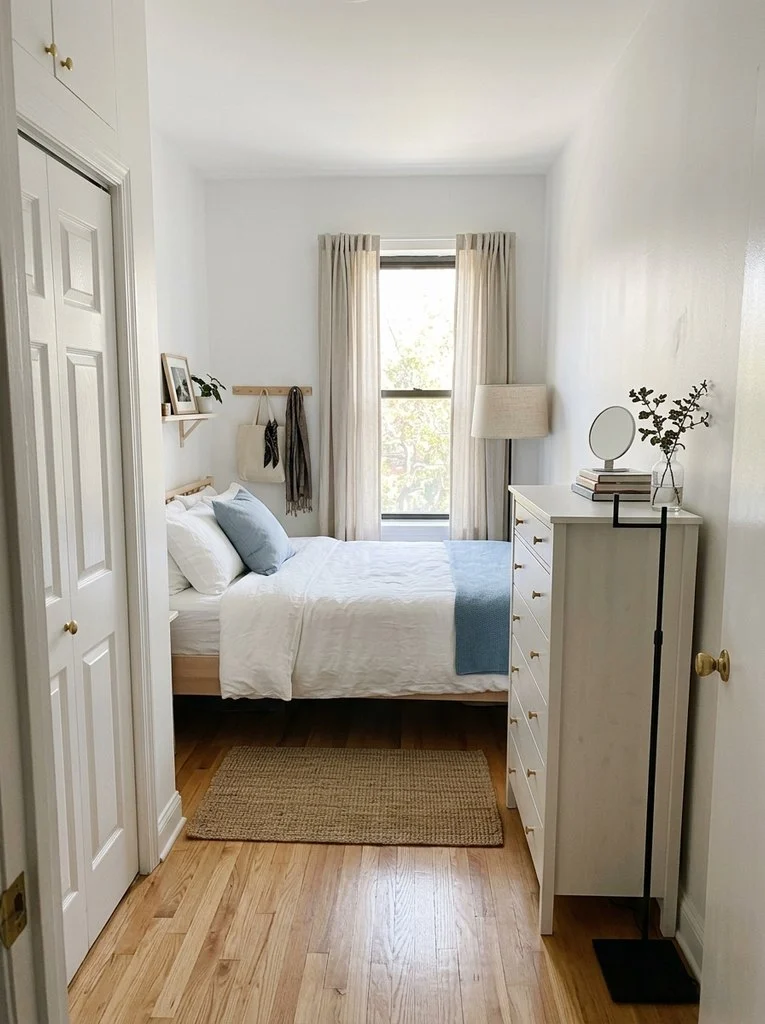
In a small bedroom layout, the dresser often becomes the only storage anchor besides the closet. Placing it at the foot of the bed frees up wall space elsewhere. This approach works well in apartments and guest rooms.
A narrower dresser with vertical drawers saves floor area. Choose light finishes to keep the room from feeling boxed in. This bedroom storage solution suits renters who need flexible furniture.
 You may also like20 DIY Christmas Earrings That Are Quick to Make
10. Angle the Dresser Into a Corner
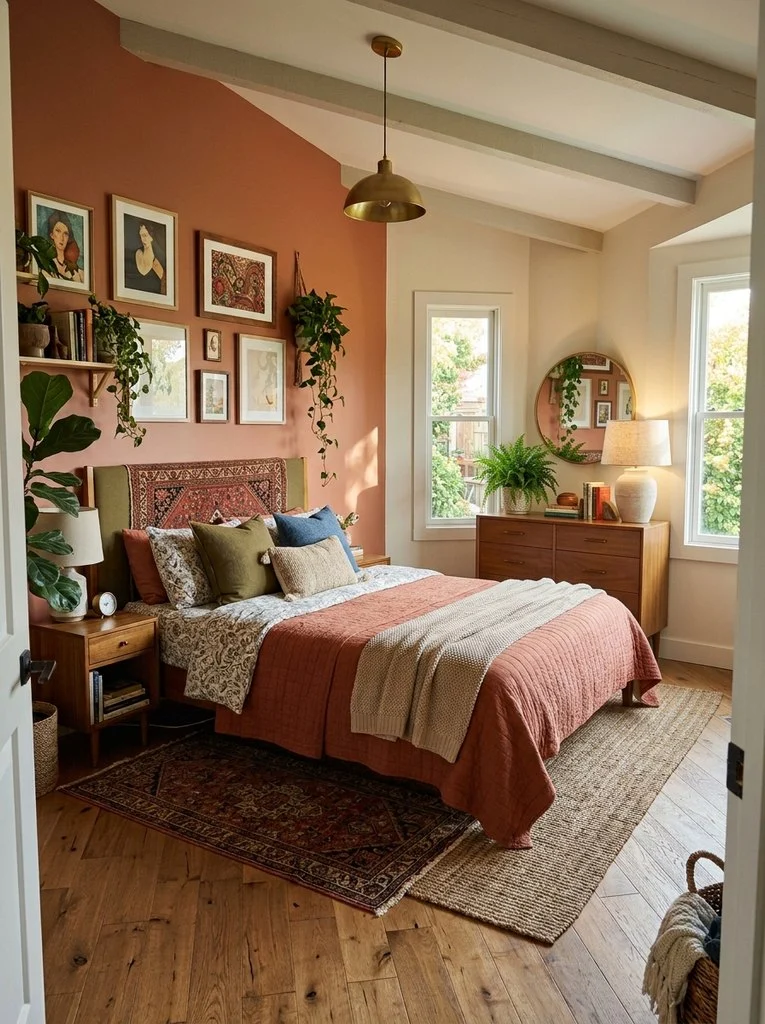
Angling the dresser diagonally at the foot of the bed can open up an awkward corner. This works well in rooms with irregular shapes or shared walls. The angle also softens the sharp lines of a rectangular layout.
A round mirror or lamp on top balances the diagonal placement. This trick suits eclectic and transitional bedrooms especially well. Test the angle with painter’s tape before moving heavy furniture.
11. Use a Dresser as a Soft Room Divider
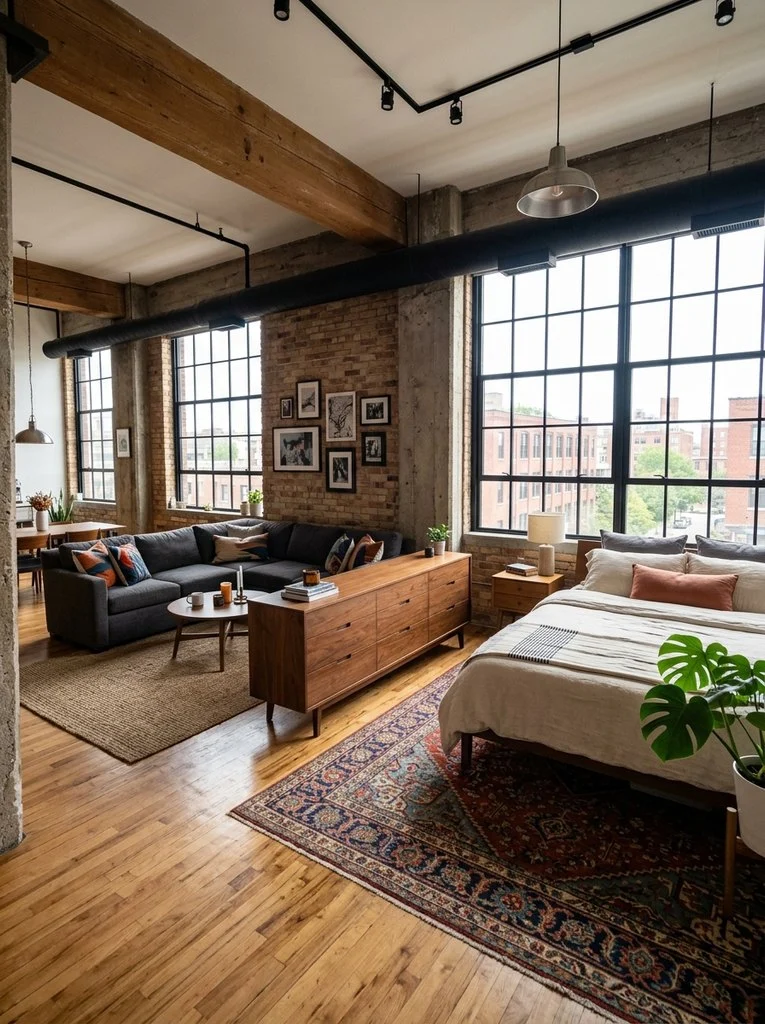
In open-concept lofts or studio apartments, a dresser at the foot of the bed can separate sleeping and living zones. This placement creates a visual boundary without a full wall. It also keeps clothing storage within reach of the closet.
Choose a dresser with a finished back panel for this layout. Homeowners planning a master suite floor plan can apply the same zoning trick on a larger scale. Add a rug on each side to reinforce the separation.
12. Hang Art or a Gallery Wall Above the Dresser
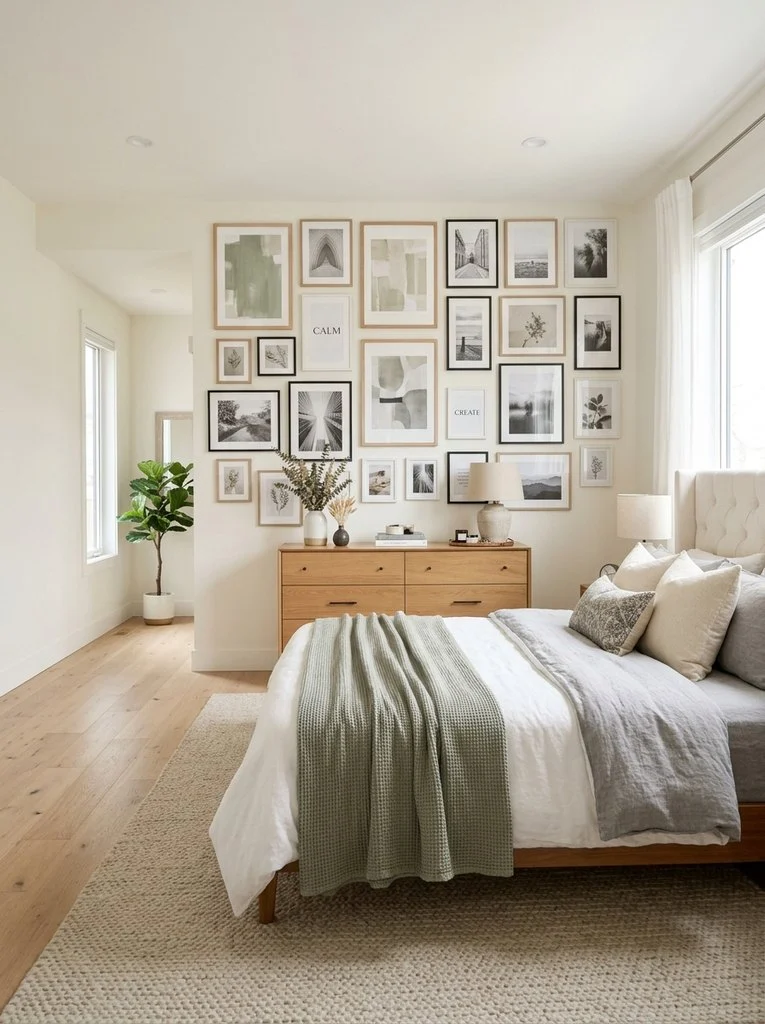
A gallery wall above the footboard dresser fills vertical space and draws the eye upward. This detail balances a low, wide dresser visually. It also gives the wall behind the bed a finished, styled feel.
Mix frame sizes for a collected look, or choose one large statement piece for simplicity. Keep artwork at eye level from a standing position. This bedroom dresser styling trick works in nearly any design theme.
13. Add Warm Task Lighting Above the Dresser
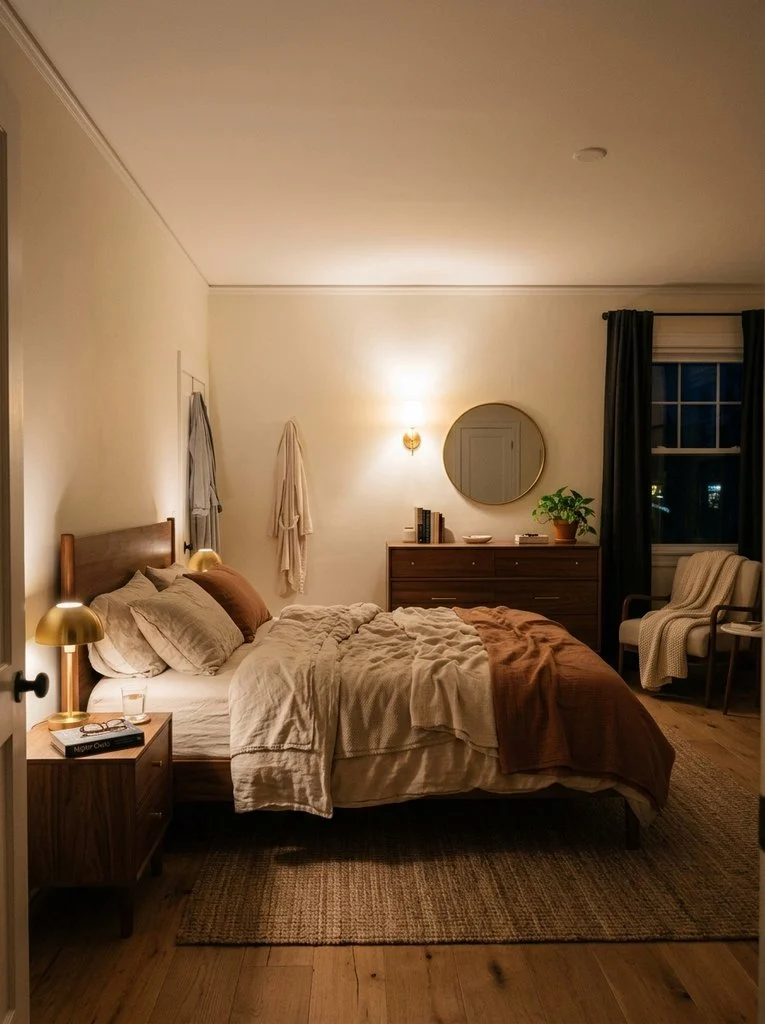
A wall sconce or small lamp above the dresser adds function after dark. This lighting helps with packing a bag or checking an outfit at night. It also creates a softer glow than an overhead fixture.
Warm bulbs suit this spot better than cool white light. Readers who enjoyed nightstand styling tips can apply similar lamp choices here. A dimmer switch adds flexibility for late-night routines.
14. Choose a Slim Dresser for Narrow Footprints
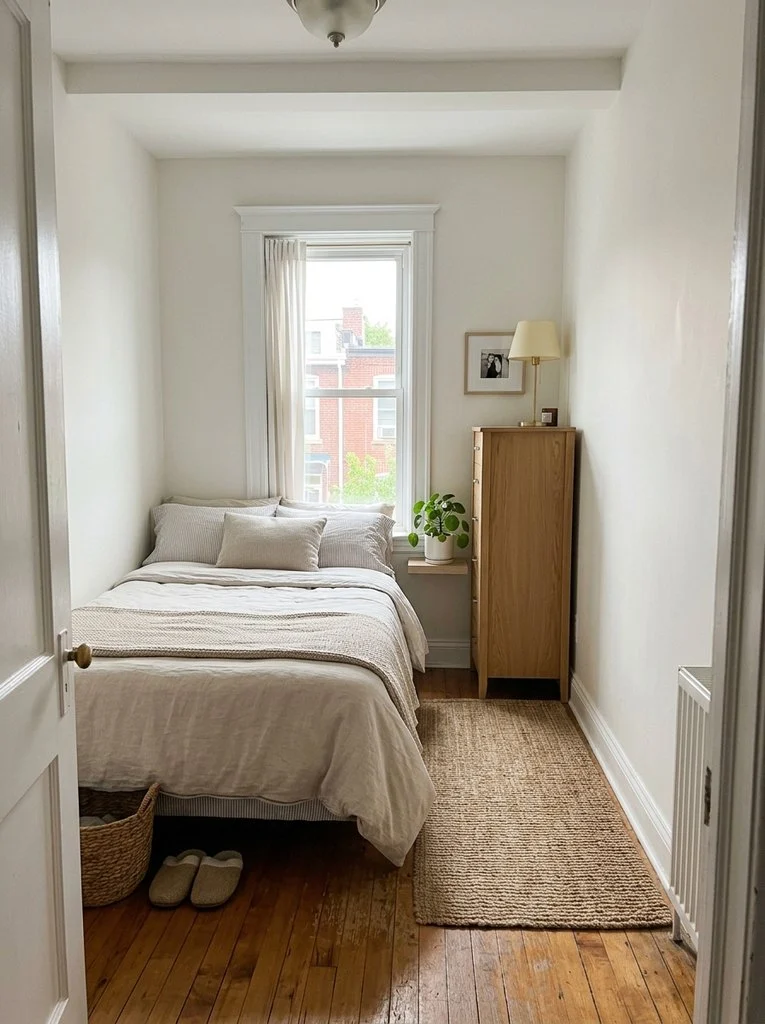
Narrow bedrooms need a slimmer dresser profile to avoid blocking the walkway. A tall, narrow chest of drawers fits the same storage into a smaller footprint. This choice suits shared bedrooms and compact primary suites.
Vertical drawer stacks keep clothing organized without wide floor coverage. Pair the piece with a slim table lamp for balance. This furniture arrangement idea works especially well in older homes with tighter layouts.
15. Style the Top with Trays and Baskets
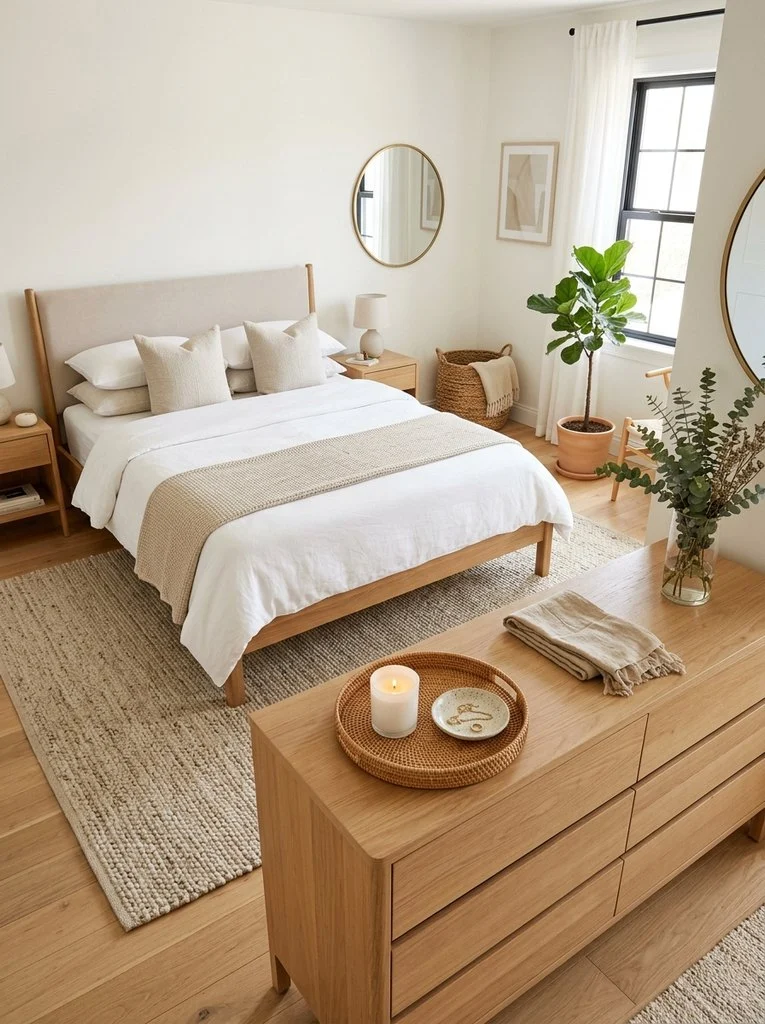
A styled dresser top keeps daily items organized and visually tidy. Woven trays corral jewelry, keys, or remotes without cluttering the surface. This small styling step makes the whole footboard area feel finished.
Group items in odd numbers for a natural, balanced look. Leave some open surface space rather than filling every inch. This habit keeps the dresser functional as well as decorative.
16. Layer a Textured Rug Beneath the Dresser
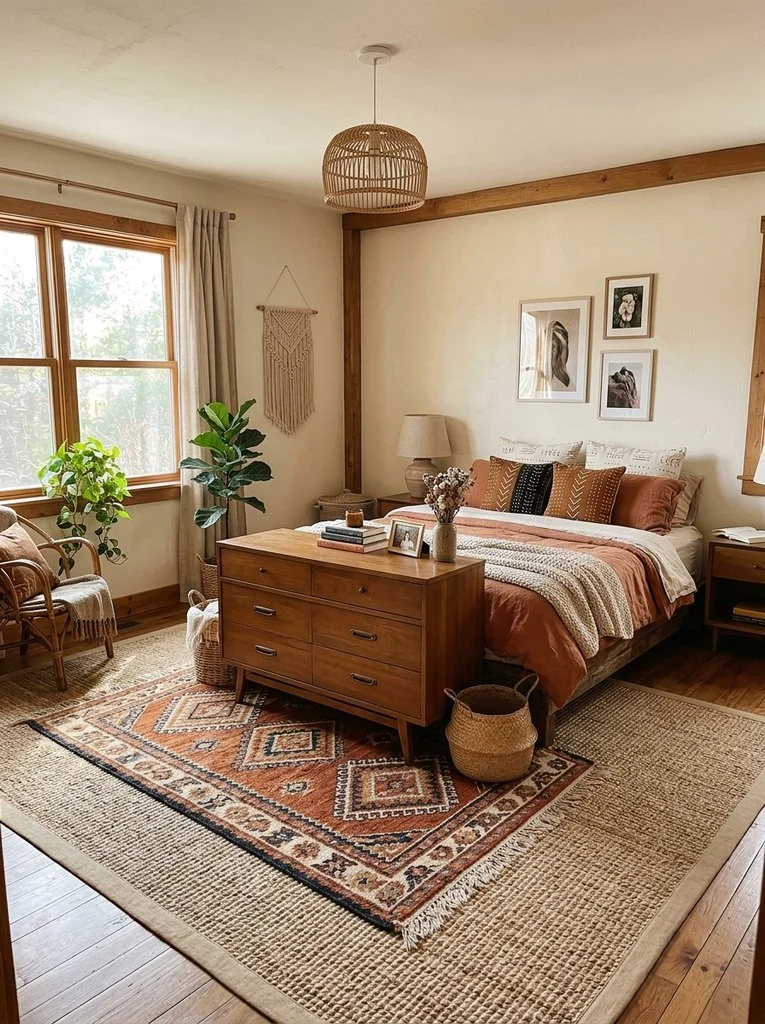
A rug beneath the footboard dresser grounds the furniture visually. Texture, such as jute or wool, adds warmth underfoot when stepping out of bed. This layer also softens hard flooring in older homes.
Choose a rug size that extends slightly beyond the dresser’s edges. This prevents the piece from looking like it floats awkwardly. Layered rugs work especially well in bohemian and farmhouse bedrooms.
17. Try a Two-Tone Dresser for Contrast
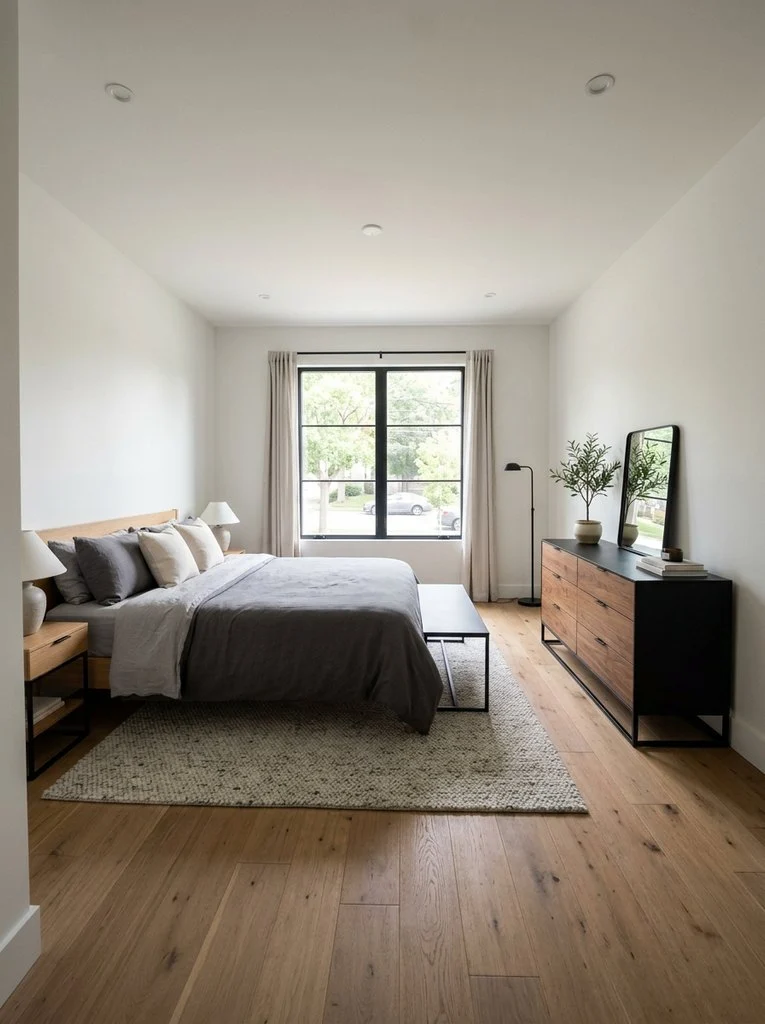
A two-tone dresser, with contrasting drawer fronts and base, adds personality to a neutral room. This detail works as a focal point without needing extra wall decor. It suits bedrooms that already lean minimalist elsewhere.
Choose two finishes that share an undertone for cohesion. Black and natural wood, or white and walnut, both read as intentional pairs. This dresser placement at the foot of the bed adds contrast without overwhelming the space.
18. Finish the Vignette with Greenery or a Vase
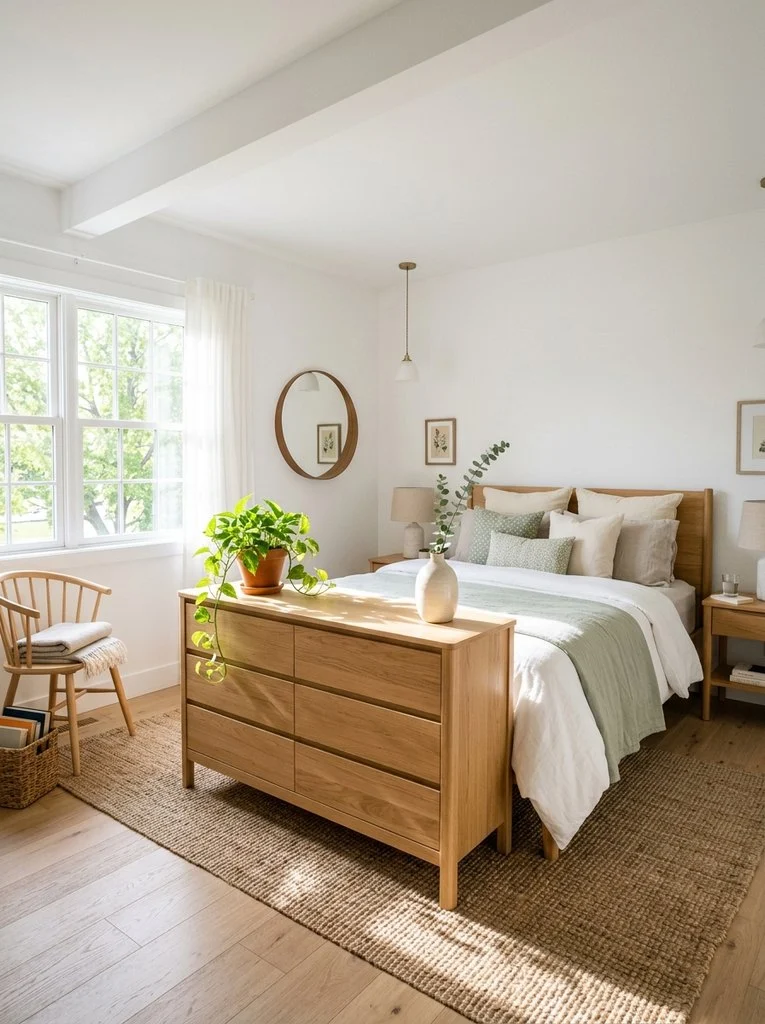
A small plant or vase on the dresser softens the wood and hardware. Greenery adds a natural, lived-in feel to the footboard area. This final touch completes the styled vignette without much effort.
Low-maintenance plants, such as pothos or snake plant, suit bedrooms with limited light. A single stem in a ceramic vase works just as well for those who prefer simplicity. Readers exploring more bedroom design inspiration will find this styling trick repeated across many themes.
How to Choose the Right Dresser Size for the Foot of the Bed
Measuring the space correctly prevents an awkward, oversized piece. Start by measuring the width of the bed frame, then add clearance on each side. Most footboard dressers work best when their width stays close to or slightly narrower than the bed.
Height matters too. A dresser that sits below the mattress line keeps sightlines open across the room. Depth should stay shallow enough to leave at least two feet of walking space. These proportions keep the layout functional rather than cramped.
Common Mistakes to Avoid When Placing a Dresser at the Foot of the Bed
Oversized dressers are the most common mistake in this layout. A piece that is too wide blocks the path to the closet or door. Measuring beforehand solves this problem quickly.
Skipping clearance is another frequent issue. Furniture arrangement without walking space feels cramped, even in a large room. Additionally, mismatched finishes between the dresser and headboard can make the layout feel unplanned. Sticking to one or two dominant tones avoids this problem.
More ideas: Keep the ideas coming with these ideas to repurpose dresser mirrors.
FAQs About Dresser Placement at the Foot of the Bed
Is it good to put a dresser at the foot of the bed? Yes, this placement works well in most bedroom layouts. It uses otherwise empty floor space for storage. It also creates a natural focal point across from the headboard.
How much space should be left between the bed and dresser? Most designers recommend at least two feet of clearance. This spacing allows comfortable walking room. Smaller bedrooms may need a narrower dresser to maintain this gap.
What size dresser fits at the foot of a queen or king bed? A dresser close to the width of the bed frame usually looks best. For a king bed, a six-drawer or eight-drawer dresser often fits well. For a queen bed, a narrower four-drawer or six-drawer piece works better.
Can a dresser replace a bench at the foot of the bed? A bench-height dresser can serve both purposes at once. This works especially well in bedrooms with limited floor space. Adding a cushioned top makes the dresser more comfortable to sit on.

Written by Stephanie Fallis
Mom and homemaker who shares budget friendly DIY projects, decorating tips and gardening ideas for busy families.
More about me → Christmas ideas21 DIY Christmas Cards That Are Fun to Make
 Christmas ideas22 Christmas Plants for a Festive Green Home
 Christmas ideas21 Farmhouse Christmas Decor Ideas: Simple and Rustic