
Ideas for foster child bedroom requirements start with safety, comfort, and genuine warmth. A foster child deserves a room that feels stable from the very first night, not a rushed setup. This space needs to meet local licensing standards while still feeling like a real bedroom, not a temporary stop. Foster parents often juggle compliance and comfort at once.
Many agencies list specific rules for square footage, bedding, storage, lighting, and fire safety. However, the best rooms go well beyond a basic checklist. A thoughtful layout, soft color palette, and a few personal touches turn a required space into a welcoming one. Materials like natural wood, cotton bedding, and woven textiles add texture without breaking a budget. Meanwhile, flexible furniture keeps the room ready for future placements, since needs shift often in foster care.
This guide walks through fifteen practical ideas for setting up a foster child bedroom. Each idea balances licensing compliance with everyday comfort, from bed selection to layered lighting. Additionally, it covers common mistakes families make and quick answers to frequent questions foster parents ask. Anyone can do it on your own with budget-friendly materials and a little planning. The result is a room that feels safe, personal, and genuinely lived in.
In this post: 15 ideas
- Provide a Dedicated Bed and Mattress
- Add Ample Closet or Dresser Storage
- Choose a Window With Natural Light and Egress
- Install a Working Smoke Detector Nearby
- Pick Calming, Neutral Wall Colors
- Add Blackout Curtains for Better Sleep
- Include a Study or Homework Corner
- Personalize With Removable Wall Decor
- Choose Soft, Layered Bedding
- Add a Reading Nook or Cozy Chair
- Provide a Nightstand for Personal Items
- Use Flexible, Adaptable Furniture
- Add a Rug for Warmth and Comfort
- Include Adequate Lighting Options
- Create a Space for Toys or Hobbies
1. Provide a Dedicated Bed and Mattress
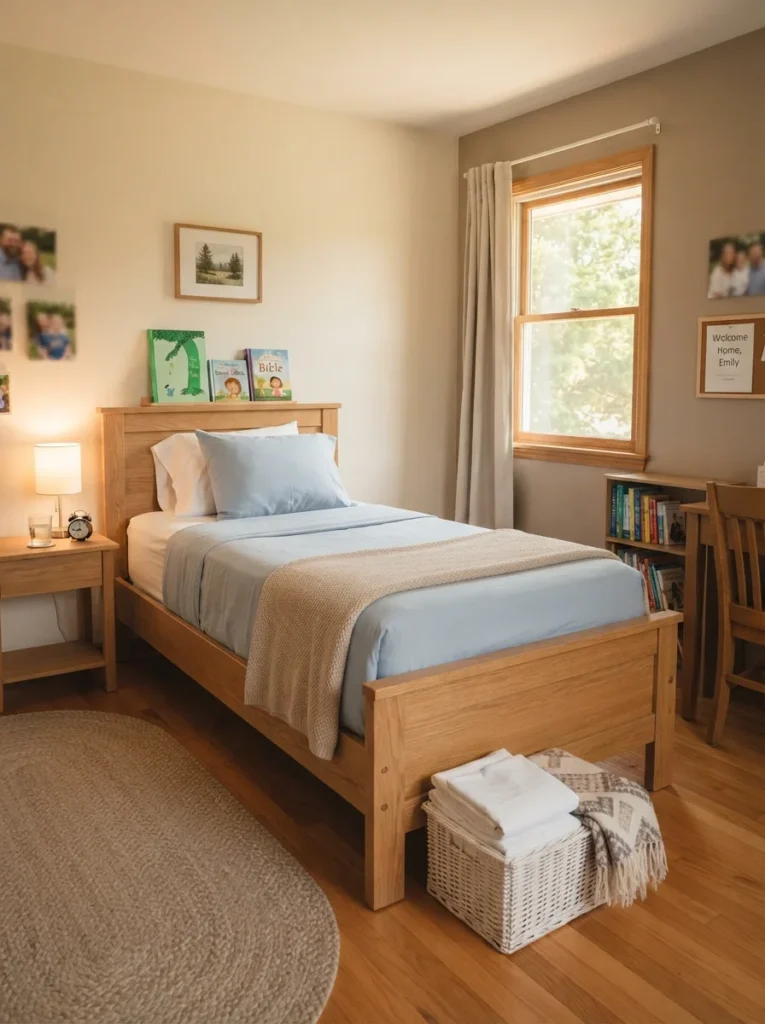
Every foster child bedroom needs its own bed and mattress, sized for the child’s age. Bunk beds work for siblings, while a twin or full frame suits an only child. A supportive mattress matters more than style. Meanwhile, fresh sheets and a spare set show real preparation. For families exploring flexible sleep setups, a daybed or trundle from these bed alternatives ideas can adapt as the child grows. Choose bedding in calming tones like soft blue or warm sand. Avoid overly juvenile prints unless the child’s age calls for them. A well-made bed signals permanence, even during a short placement.
2. Add Ample Closet or Dresser Storage
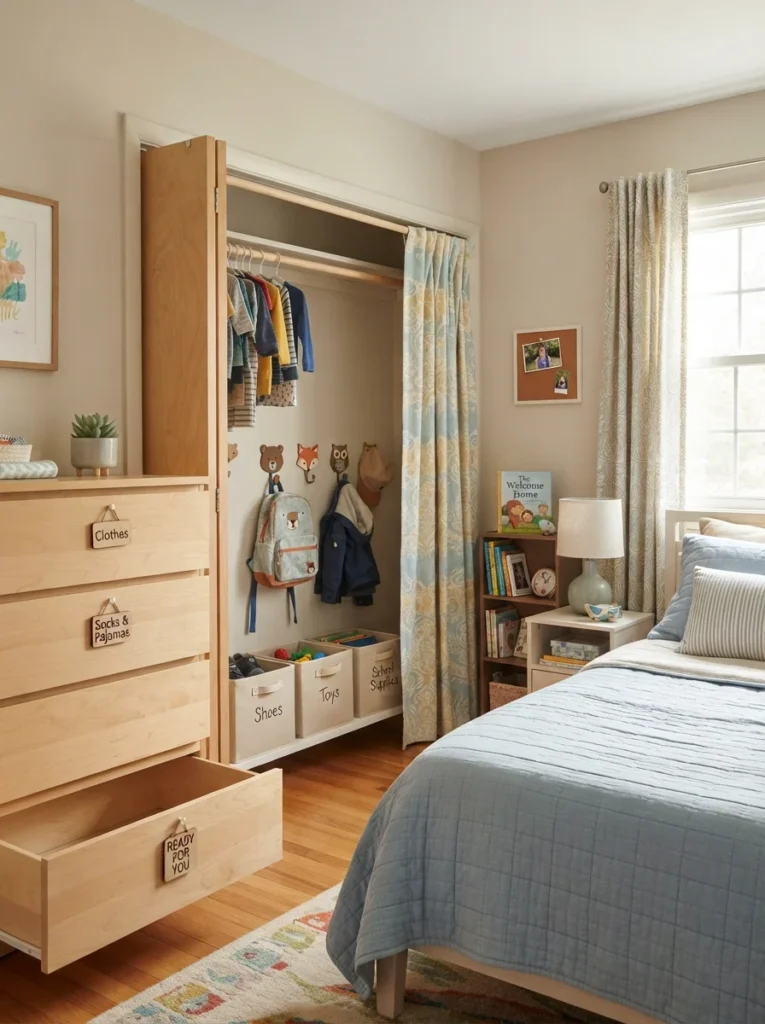
Storage requirements matter for every foster child bedroom, since most kids arrive with limited belongings. A dresser with several drawers gives the child a private place for clothes. A closet with low hooks helps younger children reach their own items. As a result, the room starts to feel truly theirs. Label bins clearly for shoes, toys, and school supplies. Consider replacing an old sliding door with something more welcoming, using ideas from these DIY closet door ideas. Keep at least one empty drawer ready for new arrivals. This small gesture reduces stress for a child settling into an unfamiliar space.
3. Choose a Window With Natural Light and Egress
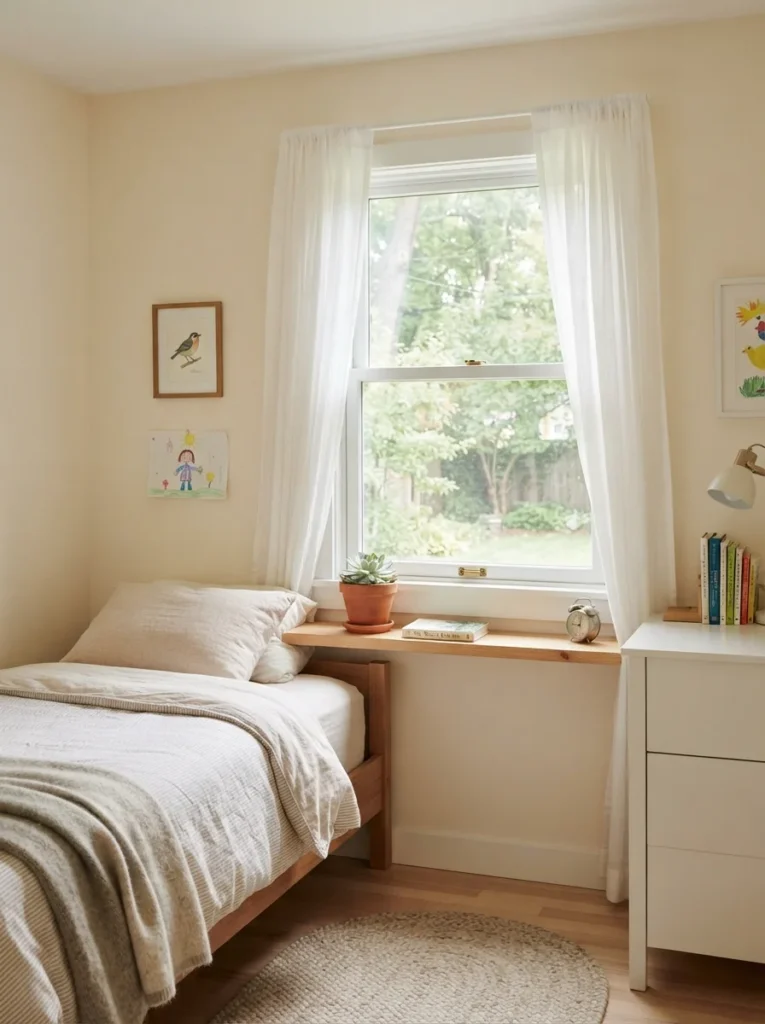
Most foster care bedroom requirements call for a window that opens for emergency egress. Natural light also supports better mood and sleep quality. Position the bed away from direct drafts but near enough to see daylight. Sheer curtains soften harsh sun without blocking the view outside. Additionally, a working window lock keeps the room secure. Pair the window with a simple wooden sill shelf for small plants or books. Good ventilation matters just as much as light, especially in warmer months. A bright, airy room feels far less institutional than a windowless one.
4. Install a Working Smoke Detector Nearby
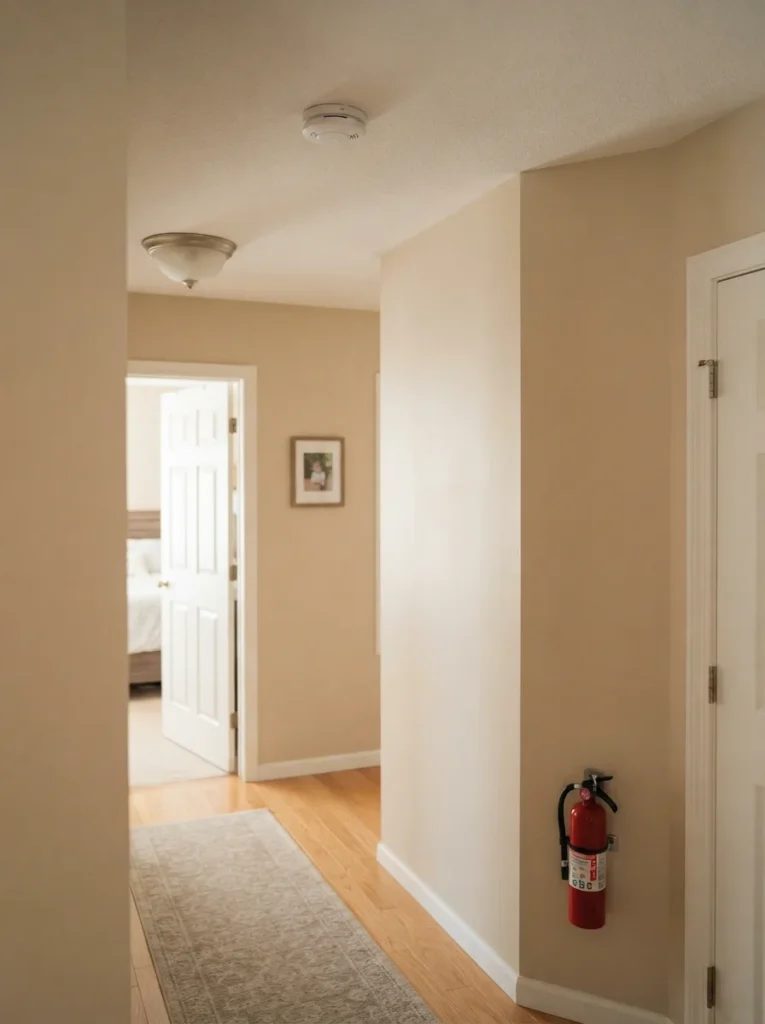
Safety inspections almost always check for a functioning smoke detector near the bedroom. Test the unit monthly and replace batteries twice a year. Mount it on the ceiling, away from vents or fans that could trigger false alarms. However, a detector does not need to look industrial or bare. Choose a low-profile white unit that blends into a painted ceiling. Keep a small fire extinguisher accessible elsewhere in the home, as many agencies require one. This step protects the child physically while also satisfying licensing paperwork. Safety and comfort can coexist in the same design plan.
5. Pick Calming, Neutral Wall Colors
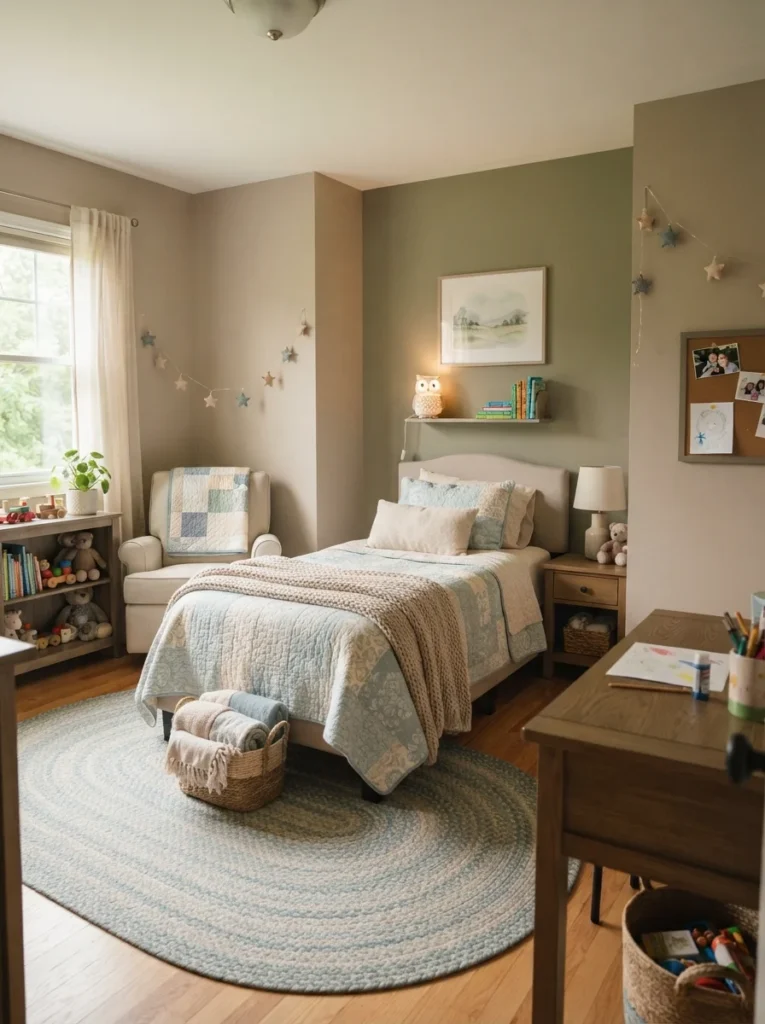
Wall color shapes how a foster child bedroom feels within minutes of walking in. Soft greens, warm taupes, and muted blues create a settled, non-clinical mood. Avoid stark white, which can feel cold or sterile to a new arrival. Meanwhile, one accent wall in a slightly richer tone adds depth without overwhelming the space. Test paint samples under both daytime and lamp light before committing. A calm palette supports better sleep and lowers anxiety for children adjusting to a new home. Neutral walls also make it easier to swap decor later without a full repaint.
6. Add Blackout Curtains for Better Sleep
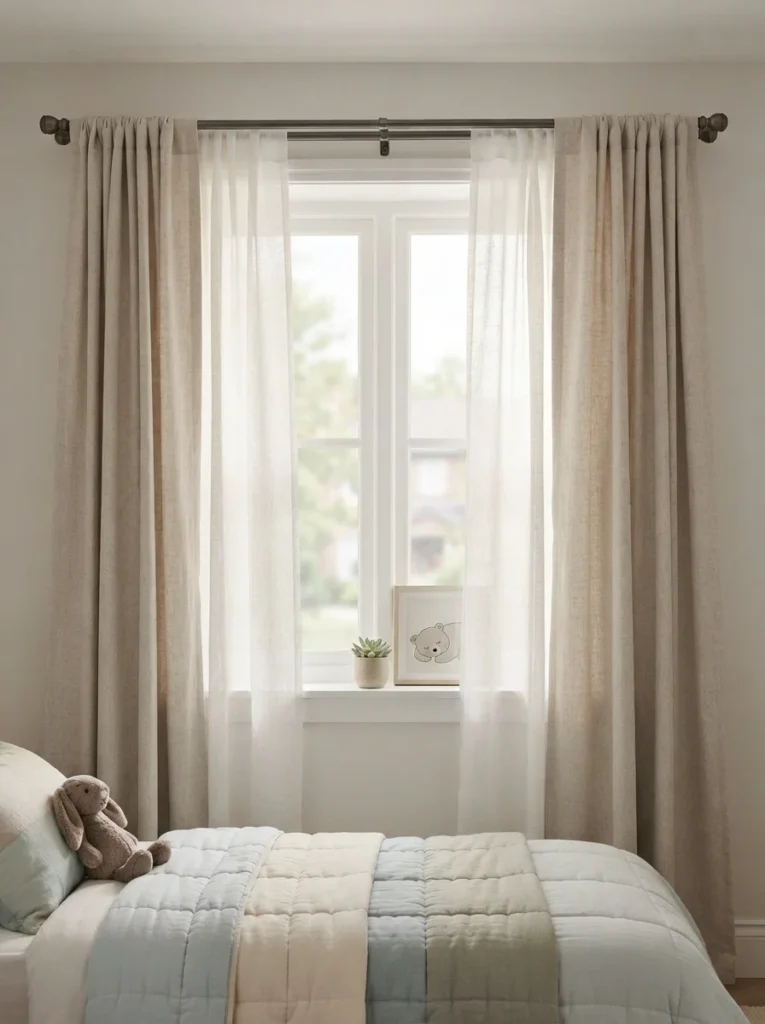
Sleep quality matters enormously for a child coping with change and transition. Blackout curtains block streetlights and early morning sun that can disrupt rest. Choose a soft linen-look fabric rather than stiff plastic-backed panels. As a result, the room still feels warm rather than clinical. Layer sheer curtains underneath for daytime privacy without total darkness. A double curtain rod makes this layering simple and affordable. Consistent, restful sleep supports emotional regulation, which matters greatly for kids in foster care. This small upgrade often makes a noticeable difference within the first week.
7. Include a Study or Homework Corner
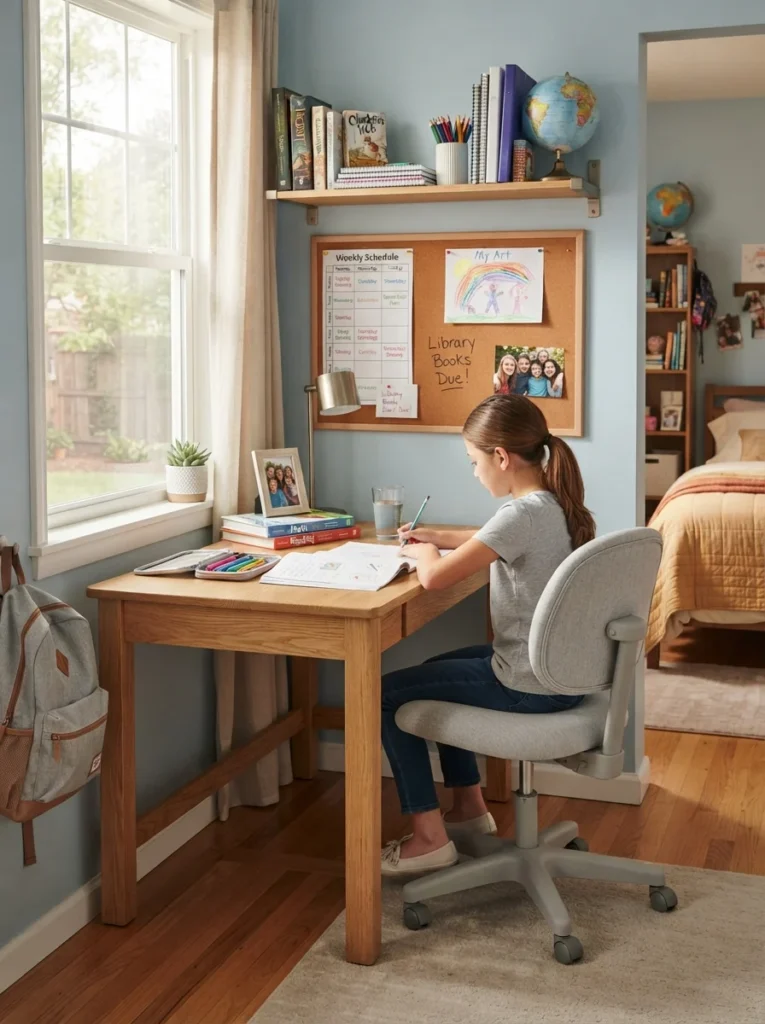
A small desk and chair give a foster child a dedicated spot for schoolwork. Position it near the window to take advantage of natural light. Add a desk lamp for evening studying, plus a shelf for books and supplies. Additionally, a corkboard above the desk holds schedules, artwork, or reminders. This corner supports academic stability during an already disruptive time. Keep the chair adjustable so it grows with the child. A study corner also signals to the child that their education matters in this household. Even a small nook can support consistent homework habits.
 You may also like20 DIY Christmas Earrings That Are Quick to Make
8. Personalize With Removable Wall Decor
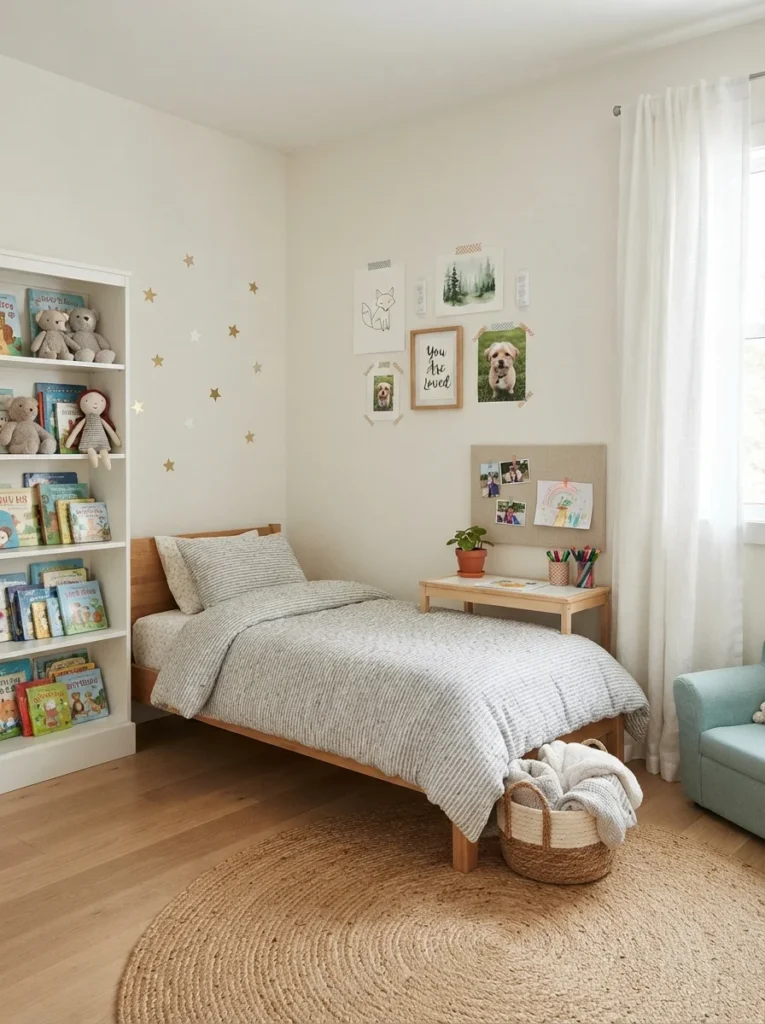
Personal touches help a foster child bedroom feel less temporary and more theirs. Removable wall decals, washi tape frames, and command-strip art avoid damaging rental walls. Let the child choose a few items during their first week, if possible. However, keep the base decor neutral so it works for future placements too. Browse these cute bedroom ideas for gentle, age-flexible inspiration that suits many personalities. A small gallery wall of prints or photos adds warmth quickly. Personalization, even in small doses, helps a child feel seen rather than passing through.
9. Choose Soft, Layered Bedding
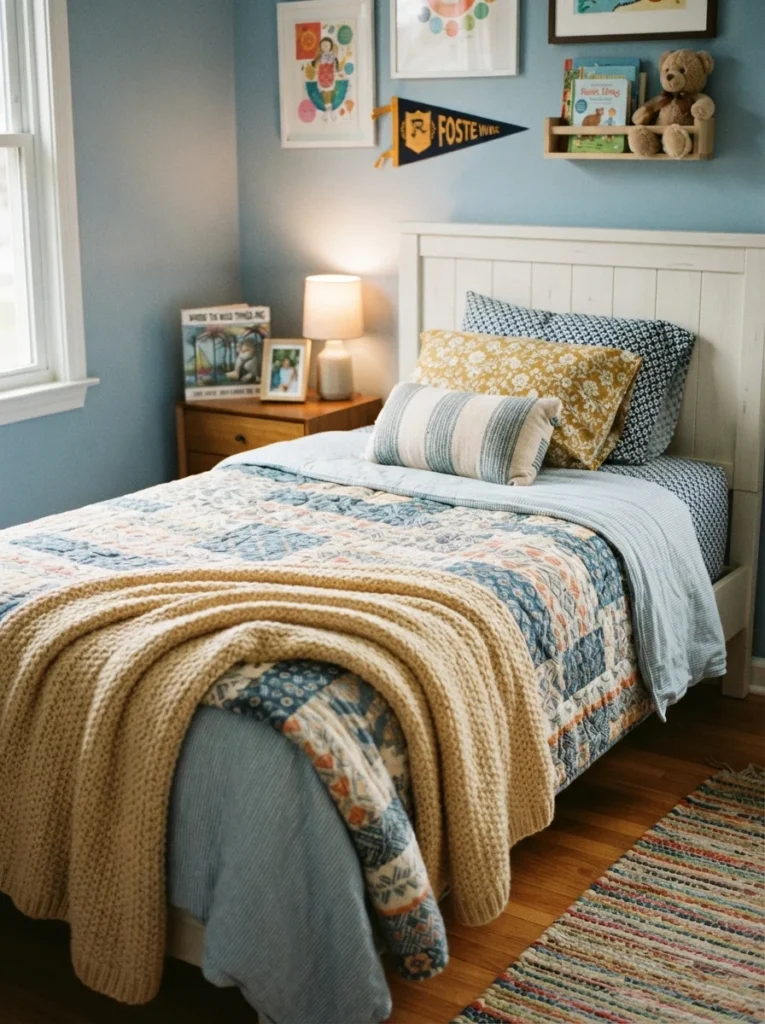
Layered bedding adds comfort and visual warmth to any foster child bedroom. Start with a fitted sheet, then a light blanket, then a duvet or quilt. Add two or three pillows in coordinating but not matching patterns. Meanwhile, a knit throw at the foot of the bed invites extra coziness. Choose washable, durable fabrics that hold up to frequent laundering. Soft textures like cotton flannel or brushed jersey feel gentle against skin. This layered approach also lets the child adjust warmth through the seasons. Good bedding turns a required bed into an inviting place to rest.
10. Add a Reading Nook or Cozy Chair
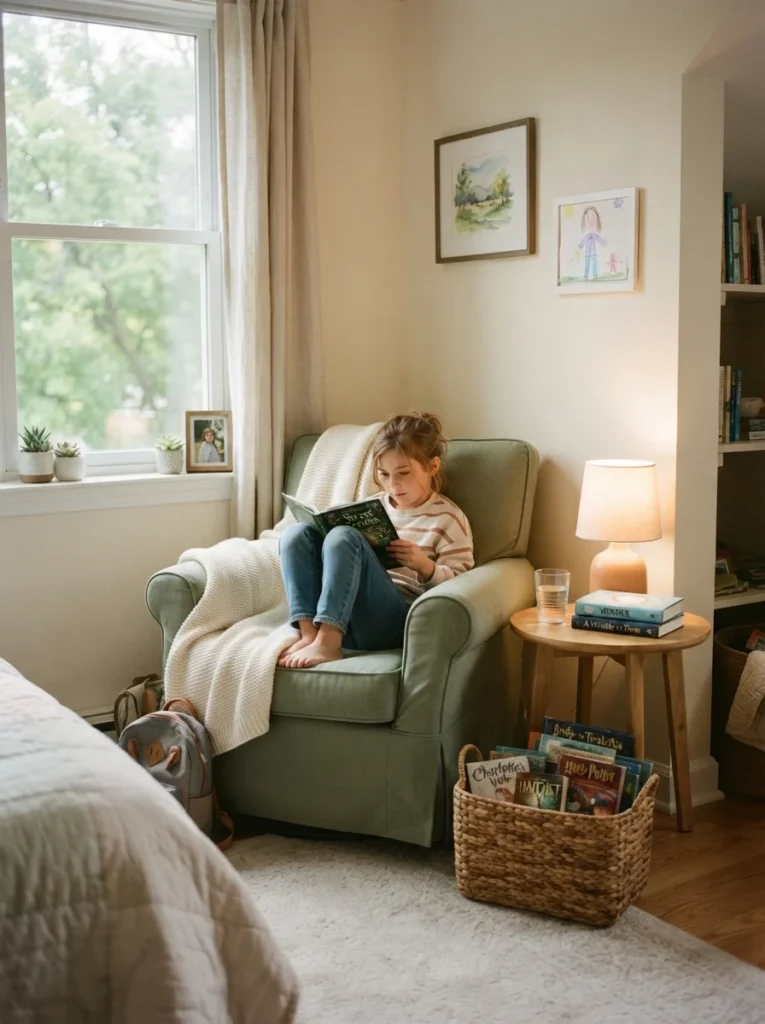
A reading nook gives a foster child a quiet retreat within their own room. A single armchair or floor cushion near the window works well in most layouts. Add a small side table for a lamp, water glass, and current book. Additionally, a basket of books nearby encourages independent reading time. This corner offers a place to decompress after a difficult day at school. Soft lighting and a warm throw blanket complete the setup. Even in a small bedroom, a reading nook creates a sense of retreat and calm ownership.
11. Provide a Nightstand for Personal Items
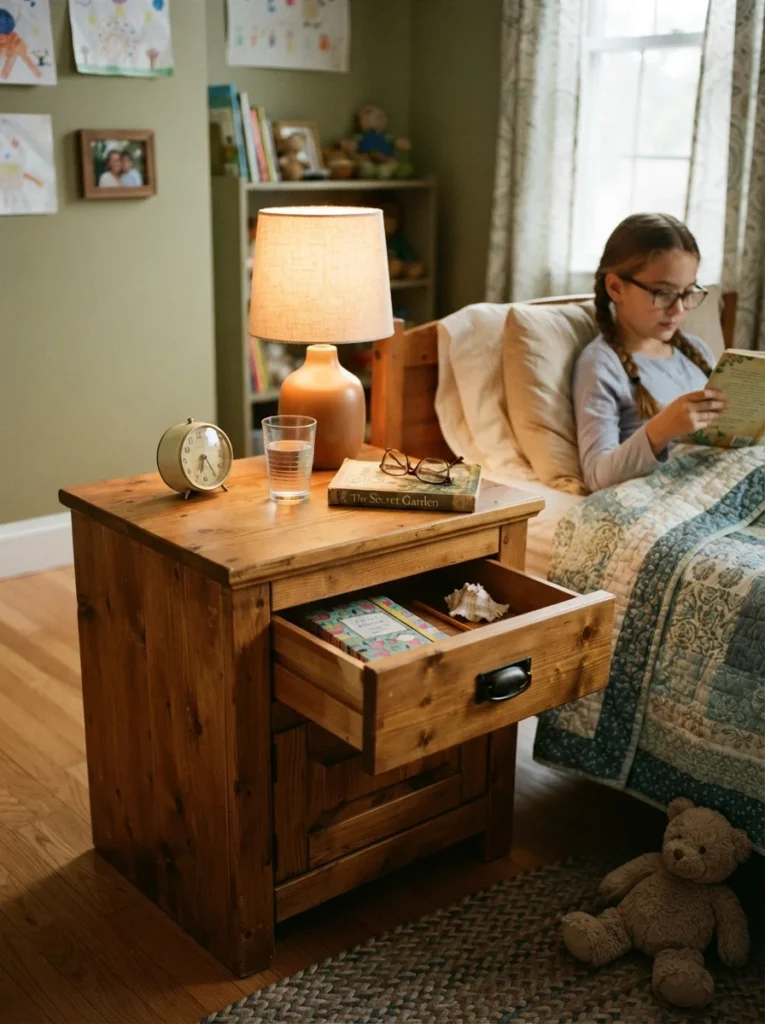
A nightstand gives a foster child a private spot for glasses, books, or keepsakes. Choose one with at least one drawer for smaller, personal belongings. Add a lamp for reading in bed without turning on the overhead light. These rustic nightstand ideas show warm, budget-friendly options that suit many bedroom styles. Keep the surface simple, with room for a water glass and clock. A nightstand within arm’s reach adds independence and a sense of routine. This detail matters more than it seems for a child building new habits.
12. Use Flexible, Adaptable Furniture
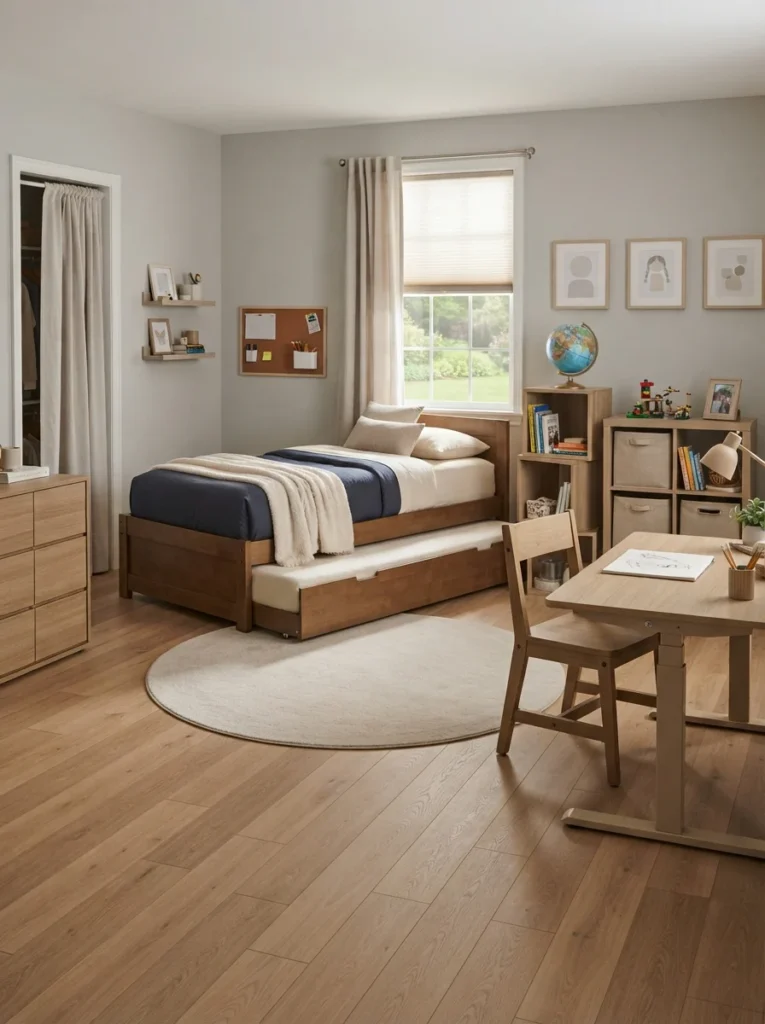
Foster placements can change quickly, so flexible furniture saves time and money. Choose pieces that suit a wide age range, from elementary school through the teen years. A trundle bed, stackable storage cubes, and an adjustable desk all adapt easily. However, avoid furniture tied to one specific age group or character theme. Neutral wood tones from these wood bedroom ideas transition smoothly between different children over time. Modular shelving can expand or shrink based on how many items a child brings. This approach keeps the room ready for the next placement without a full redesign.
13. Add a Rug for Warmth and Comfort
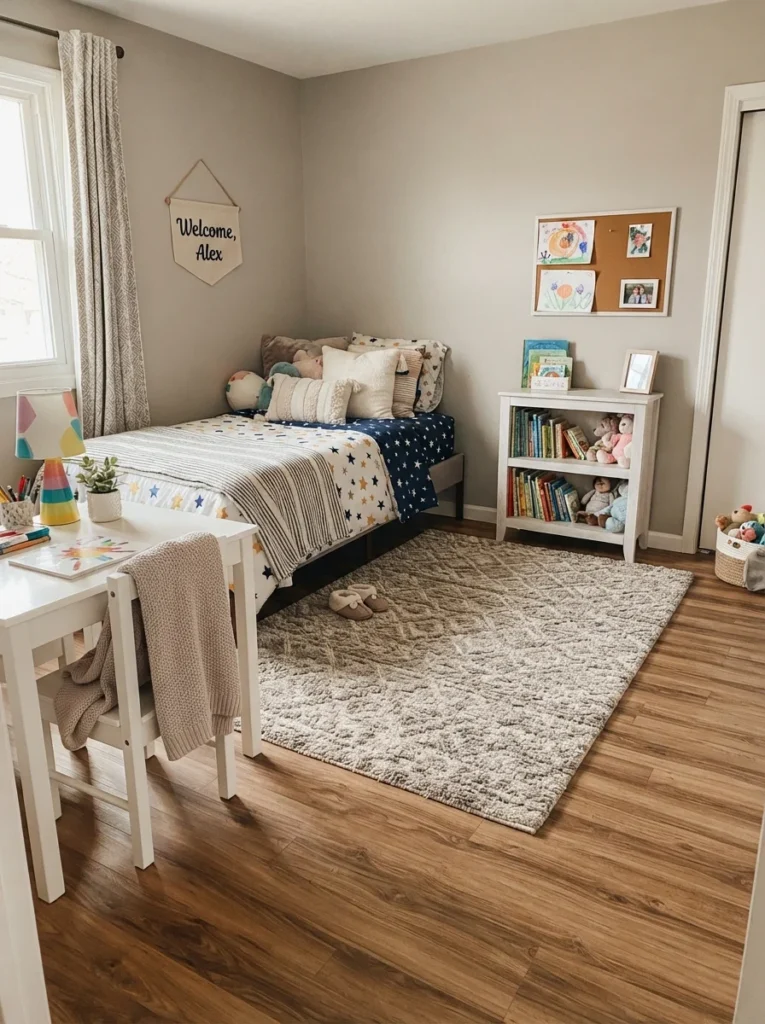
A soft area rug instantly makes a foster child bedroom feel more finished and warm. Choose a durable, stain-resistant material like wool blend or tight-weave synthetic fiber. Position it beside the bed so bare feet land on softness each morning. Additionally, a rug helps define separate zones within a larger bedroom. Neutral patterns hide everyday wear better than solid pale colors. A rug also reduces noise and adds insulation against cold flooring. This inexpensive addition makes the whole room feel considerably more homey and complete.
14. Include Adequate Lighting Options
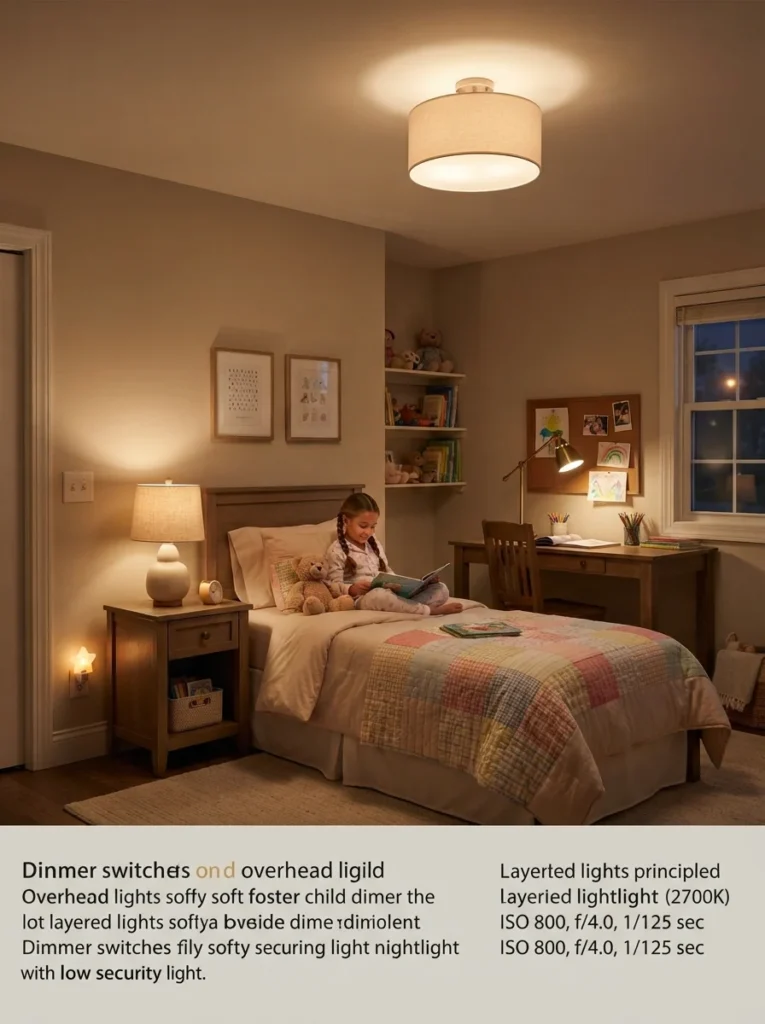
Good lighting supports mood, safety, and daily routine in a foster child bedroom. Combine an overhead fixture with a bedside lamp and a desk lamp. Layered lighting lets the child adjust brightness for reading, studying, or winding down. Meanwhile, a small nightlight helps younger children feel secure after dark. Choose warm-toned bulbs rather than harsh, cool white light. Dimmer switches, where allowed, offer even more control over the room’s mood. Adequate lighting also satisfies most safety checklists used during home inspections. This detail supports both compliance and comfort at once.
15. Create a Space for Toys or Hobbies
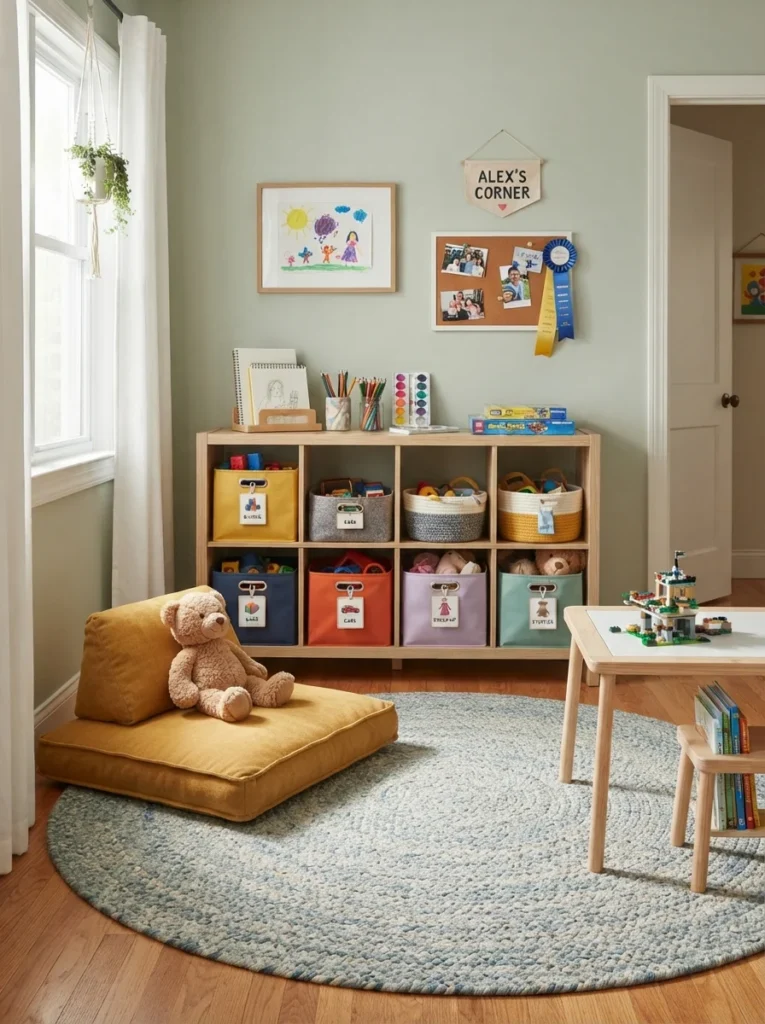
Every foster child bedroom benefits from a small zone dedicated to play or hobbies. Open bins or a low shelf keep toys accessible and easy to tidy. For older children, this space might hold art supplies, games, or a hobby project. Additionally, a soft rug or floor cushion gives younger kids a comfortable play surface. Keep the zone flexible enough to shift with a growing child’s interests. This corner tells the child their personal time matters in this home. It also gives caseworkers visible proof the room supports the child’s development, not just their sleep.
How to Choose Colors for a Foster Child’s Bedroom
Color choice sets the emotional tone of a foster child bedroom before anything else is added. Soft greens and blues generally read as calming and safe. Warm neutrals like sand or oatmeal work well for teens who prefer a mature look. Avoid overly bright primary colors, which can feel overstimulating in a small space. Test a few swatches on the actual wall before painting the whole room. Additionally, involve the child in choosing an accent color when time allows. A collaborative choice, even a small one, builds early trust in the placement.
Common Mistakes to Avoid When Setting Up a Foster Child’s Room
Many well-meaning foster parents overdecorate a room before meeting the child. This can feel overwhelming or mismatched to the child’s actual personality. Avoid theme-heavy decor tied to one age group or character. Another common mistake involves skipping basic storage, leaving belongings in bags or boxes. This small oversight signals impermanence, even unintentionally. Additionally, some rooms lack any personal touches at all, which can feel cold. Balance neutral, adaptable design with a few warm, welcoming details from day one.
FAQs About Foster Child Bedroom Requirements
Does a foster child need their own bedroom? Most states require a foster child to have a bed and adequate space, though siblings can often share a room if square footage allows.
What is the minimum bedroom size for a foster child? Requirements vary by state and agency, typically ranging between 40 and 80 square feet per child, so check local licensing rules directly.
Can a foster child share a room with a biological child? Many agencies allow this under specific age and gender guidelines, though rules differ significantly between states and licensing bodies.
What furniture is required in a foster child bedroom? Standard requirements usually include a bed, mattress, storage for clothing, and a light source, alongside working smoke detection nearby.

Written by Stephanie Fallis
Mom and homemaker who shares budget friendly DIY projects, decorating tips and gardening ideas for busy families.
More about me → Christmas ideas21 DIY Christmas Cards That Are Fun to Make
 Christmas ideas22 Christmas Plants for a Festive Green Home
 Christmas ideas21 Farmhouse Christmas Decor Ideas: Simple and Rustic