
Diy closet door ideas give a builder-grade opening real personality without a big budget. Most closets hide behind a flat, hollow-core door that blends into the wall and says nothing about the room. A single afternoon project changes that story completely. Paint, fabric, wood slats, or a sliding track can turn a forgotten corner into a design feature. Homeowners choose these updates because they cost far less than replacing a whole door and frame.
Closet doors work in nearly every design style, from coastal to modern farmhouse. Slatted panels suit a warm, organic look, while mirrored fronts fit sleek, minimal spaces. Natural materials like rattan and reclaimed wood pair well with organic modern rooms. Meanwhile, paint and wallpaper offer fast, low-cost color changes. Anyone can do it on your own with basic tools. The goal is matching the door style to the room’s existing palette and furniture.
This list covers thirteen closet door projects for every skill level. Some involve paint and stencils, while others use sliding hardware or woven panels. Anyone updating a mudroom or linen closet organization space finds ideas that fit small budgets. Each idea below includes simple steps and material notes. Pick one that matches the room’s mood and get started this weekend.
In this post: 13 ideas
- Sliding Barn Door
- Bifold Doors With a Fresh Coat of Paint
- Curtain in Place of a Door
- Mirrored Panel Doors
- Beadboard Closet Doors
- Fabric-Wrapped Door Panels
- Chalkboard Closet Door
- Wallpapered Door Panels
- Woven Rattan Cane Doors
- Frosted Glass Sliding Door
- Reclaimed Wood Plank Door
- Trellis or Lattice Door
- Stenciled Geometric Door
1. Sliding Barn Door
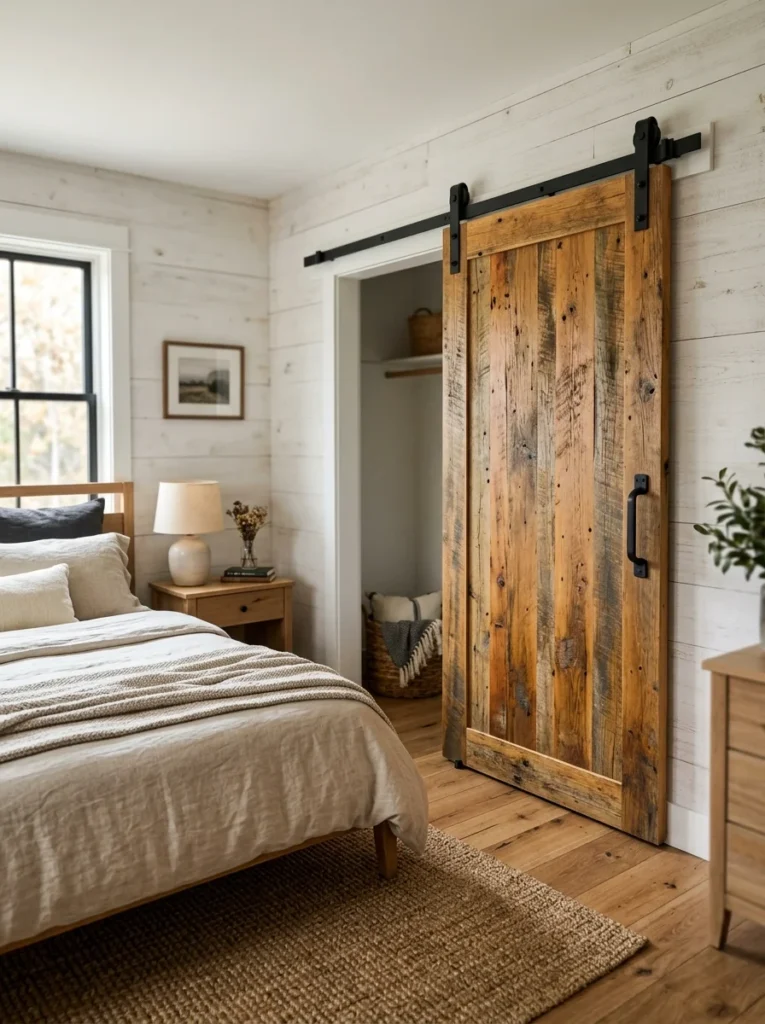
A sliding barn door replaces a swinging closet door in a single weekend. It saves floor space, since the door glides along a wall-mounted track. Reclaimed wood planks give this project a rustic, farmhouse feel. However, a smooth plywood panel works just as well for a cleaner, modern look. This same idea shows up often in studio apartment ideas, where every inch of floor space matters. A simple track kit from a hardware store handles most of the heavy lifting. Add a metal handle for an industrial finish, or a wood pull for something softer.
2. Bifold Doors With a Fresh Coat of Paint
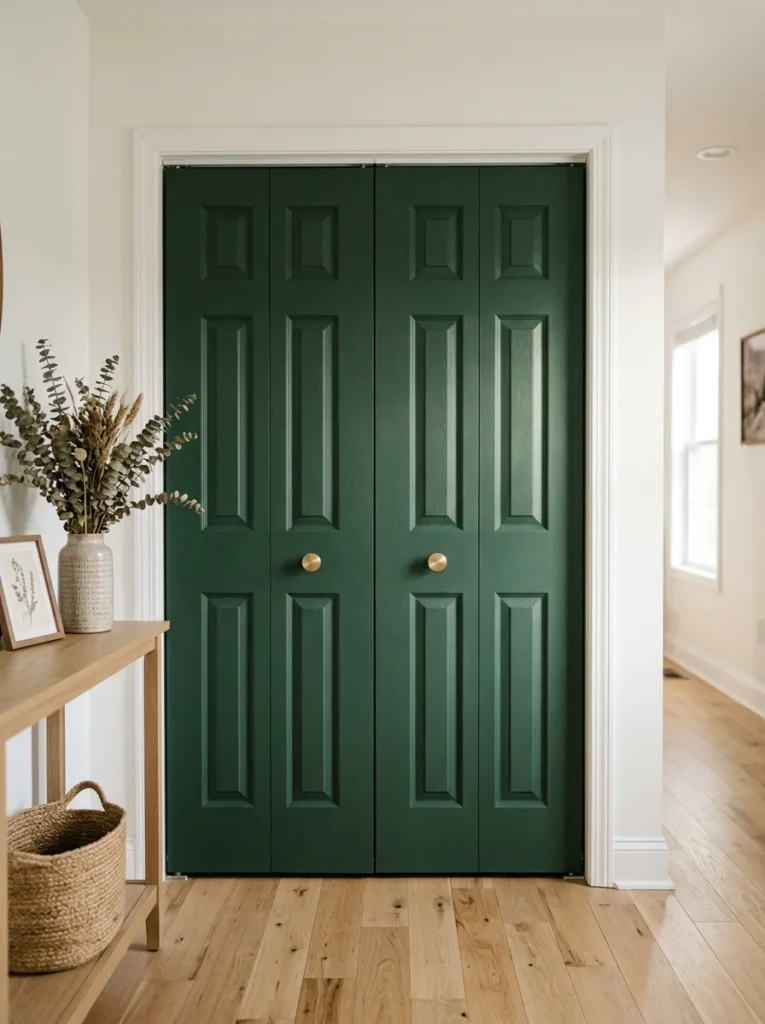
Bifold doors often get overlooked, yet paint transforms them instantly. Remove the doors first, then sand the surface lightly. A bold color, like deep green or navy, adds contrast against neutral walls. Additionally, a two-tone finish highlights the door’s existing panel grooves. This update works well in a home office, similar to closet solutions seen in home office ideas. Let each coat dry fully before rehanging the doors. The whole project usually takes one weekend, including drying time.
3. Curtain in Place of a Door
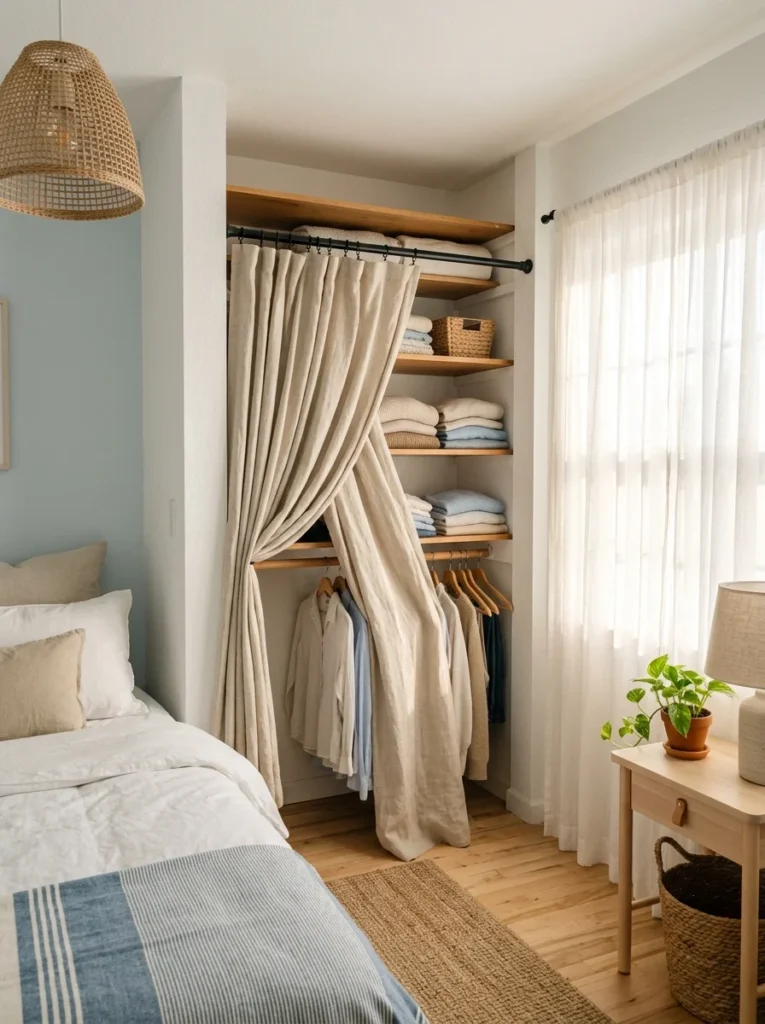
A fabric curtain replaces a door entirely, and it costs very little. A tension rod or curtain track mounts directly above the closet frame. Linen fabric suits relaxed, coastal rooms, while velvet fits a moodier space. This option works especially well for narrow closets, where a swinging door would hit furniture. As a result, tight bedrooms and hallways benefit most from this idea. Choose a fabric that matches the room’s existing curtains for a cohesive look.
4. Mirrored Panel Doors
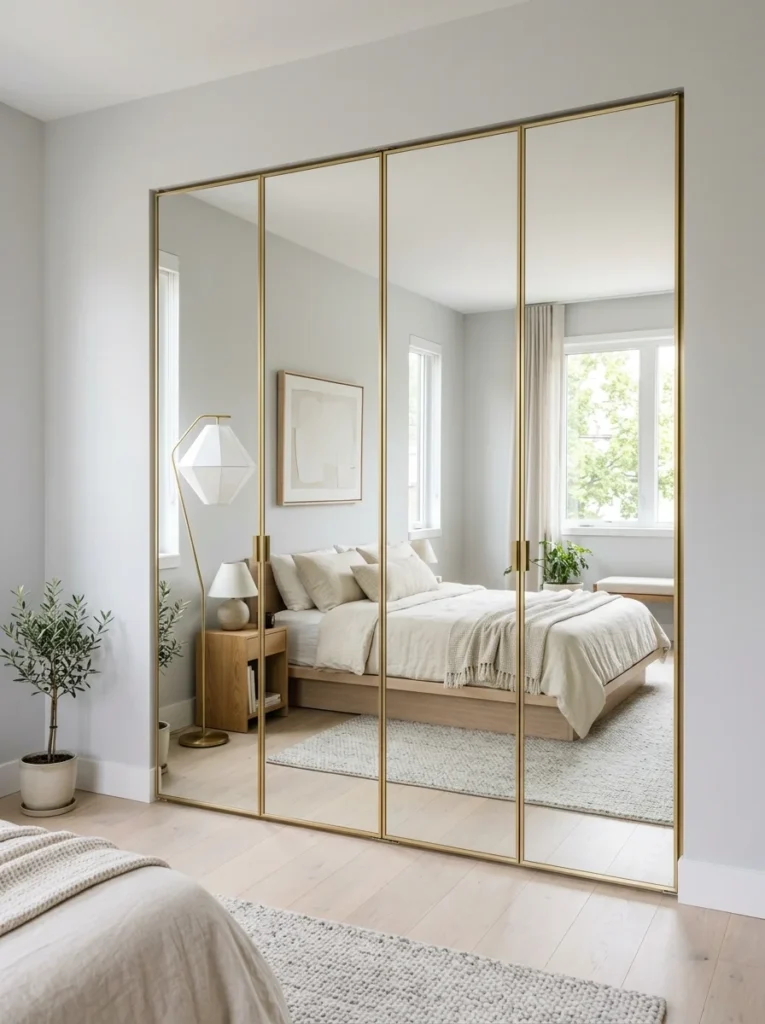
Mirrored closet doors add light and visual space to a small bedroom. Frameless mirror panels attach directly to existing door fronts using adhesive strips. A thin wood frame around the mirror edges adds a finished, custom look. This idea suits modern and glam interiors alike. Meanwhile, the mirror reflects natural light from nearby windows, brightening the whole room. Clean the surface regularly to keep the reflection clear and streak-free.
5. Beadboard Closet Doors

Beadboard paneling brings cottage charm to a plain closet front. Thin beadboard sheets cut easily with a basic handsaw. Glue and small nails secure each panel to the existing door. Afterward, a coat of white or cream paint ties the texture into the room. This style pairs naturally with farmhouse and coastal decor. The vertical grooves also add subtle height to a low-ceilinged room.
6. Fabric-Wrapped Door Panels
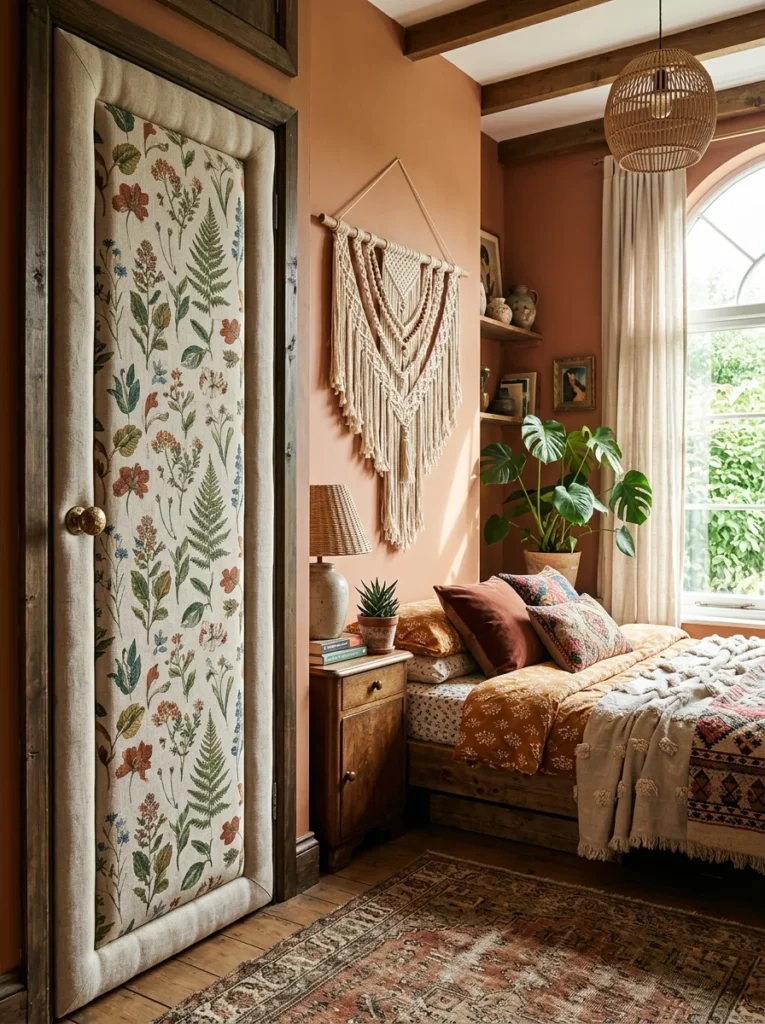
Fabric-wrapped panels turn a closet door into a soft, textured feature. Batting adds cushion beneath the fabric for a slightly upholstered effect. A staple gun secures the fabric neatly along the door’s back edge. Patterned fabric, like a botanical print, suits a bohemian bedroom well. However, a solid linen keeps the look calm and understated. This project works best on flat, hollow-core doors without existing panel grooves.
 You may also like9 Log Christmas Decoration Ideas for a Cozy Home
7. Chalkboard Closet Door
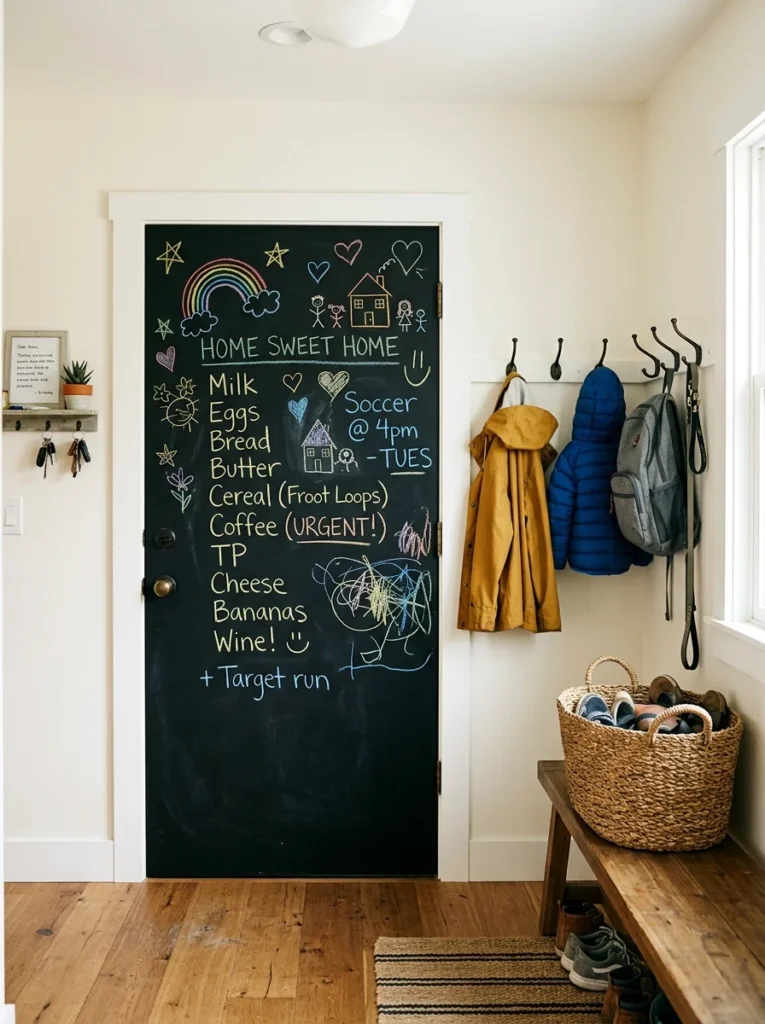
A chalkboard finish turns a closet door into a playful, functional surface. Chalkboard paint applies in two or three thin coats using a foam roller. This idea works especially well in a kids’ room or mudroom entry. Family members can leave notes, lists, or drawings right on the door. A wood frame around the edges adds a finished, gallery-style border. Let the final coat cure fully before writing on the surface.
8. Wallpapered Door Panels
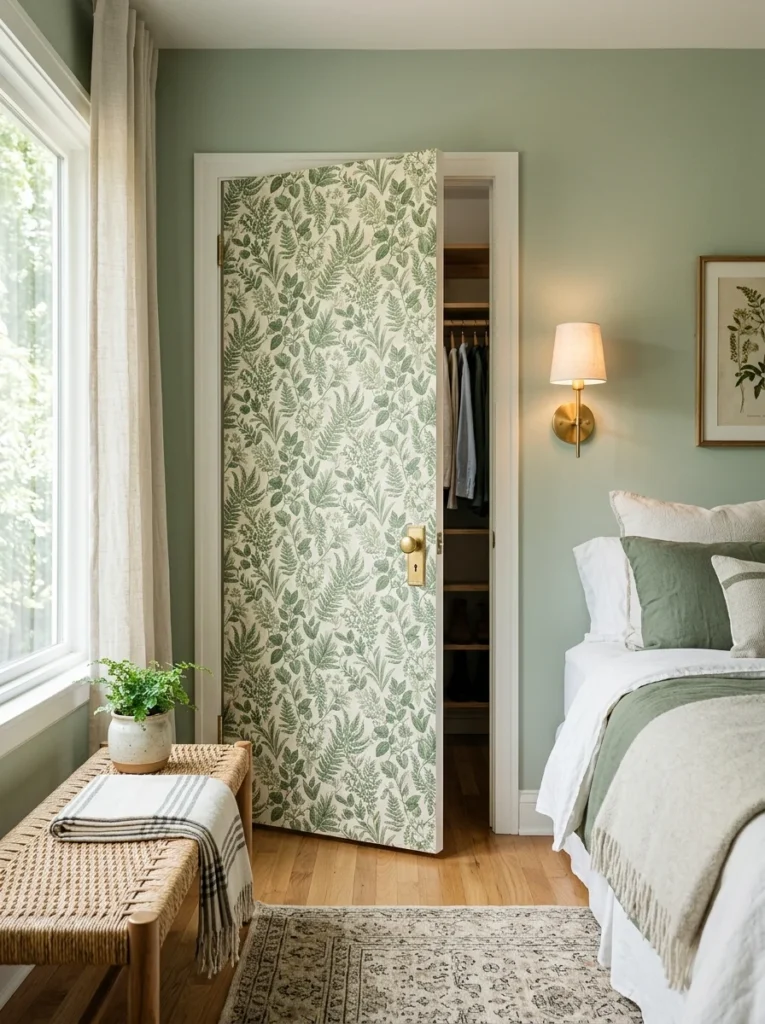
Wallpaper adds pattern and color to an otherwise plain closet door. Peel-and-stick wallpaper makes this project fast and fully removable later. A botanical or geometric print adds personality without repainting the whole wall. Additionally, this idea pairs well with a matching accent wall nearby. Smooth out air bubbles with a plastic scraper as the paper goes on. Trim excess paper along the door edges with a sharp utility knife.
9. Woven Rattan Cane Doors
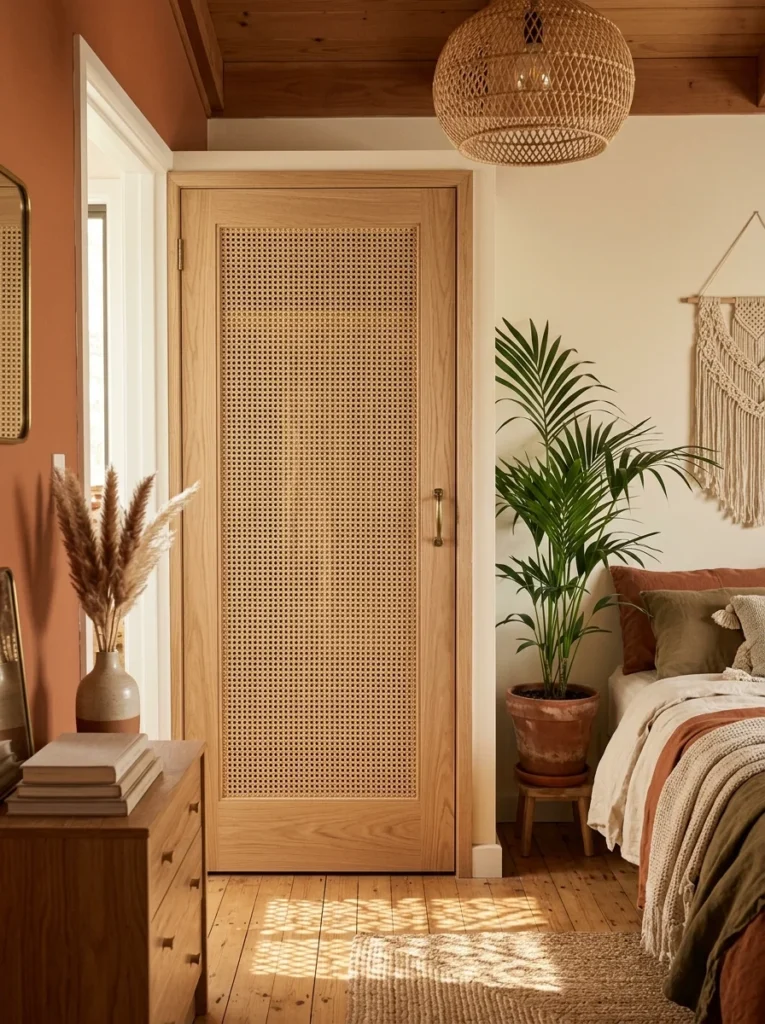
Rattan cane webbing gives closet doors a warm, organic texture. A router carves a shallow groove into the door’s center panel. Cane webbing then presses into the groove and secures with wedge strips. This look suits boho and coastal spaces especially well. Natural fiber textures like this also complement woven storage seen in bathroom organization projects. Seal the cane lightly to protect it from moisture and daily wear.
10. Frosted Glass Sliding Door
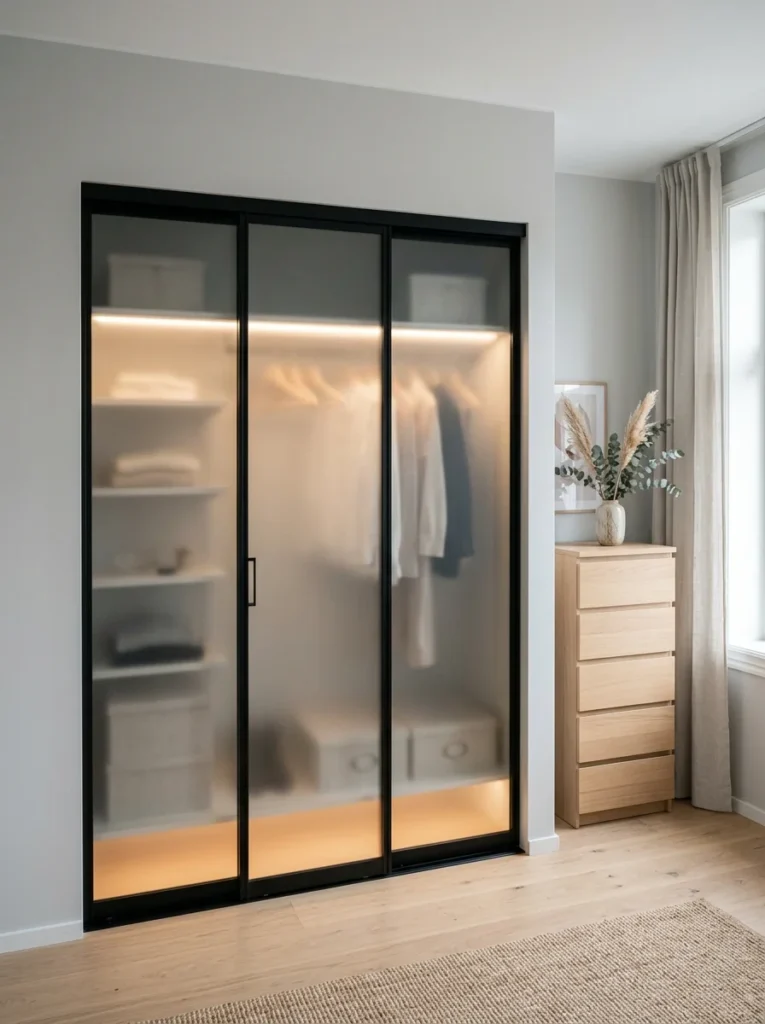
Frosted glass film gives a sliding closet door a soft, modern finish. The film applies directly over existing glass panels using water and a squeegee. Light passes through gently, while contents stay mostly hidden from view. This idea suits minimalist and Scandinavian-style rooms particularly well. A slim aluminum track keeps the hardware discreet and unobtrusive. Clean the glass thoroughly before applying the film for the smoothest finish.
11. Reclaimed Wood Plank Door
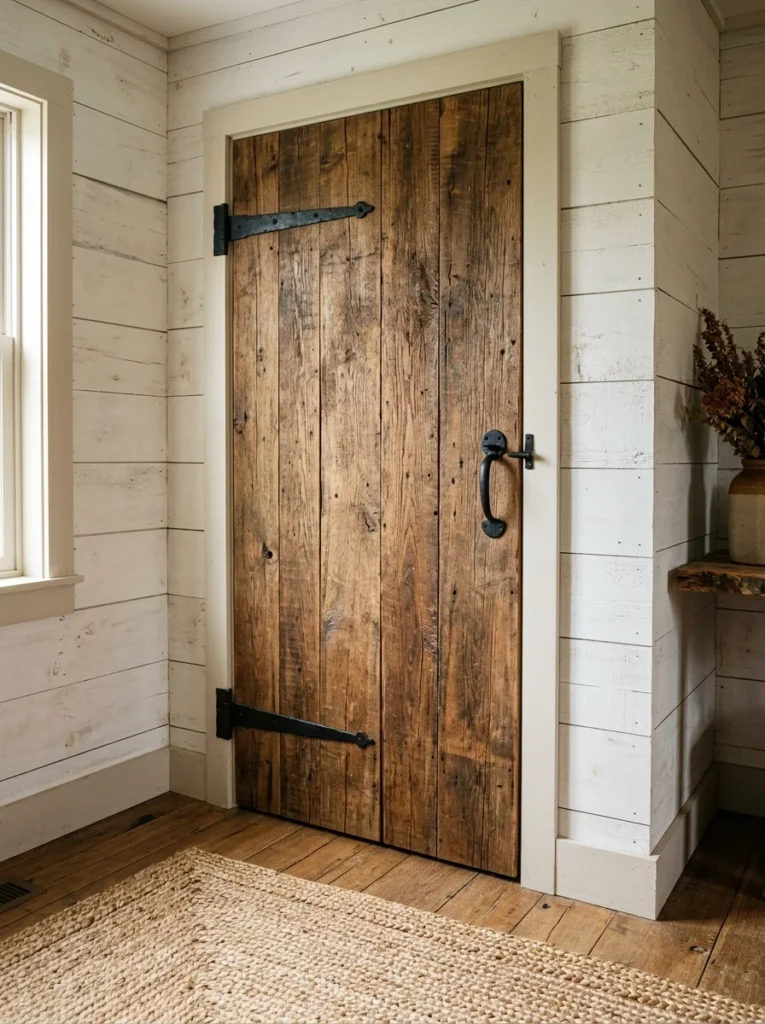
Reclaimed wood planks build a closet door with real character and history. Planks attach to a plywood backing using construction adhesive and screws. Varying plank widths add visual interest across the door’s surface. This rustic style fits naturally alongside reclaimed shelving, like the pieces shown in garage organization projects. A clear matte sealant protects the wood without hiding its natural grain. Black iron hardware finishes the look with an industrial edge.
12. Trellis or Lattice Door
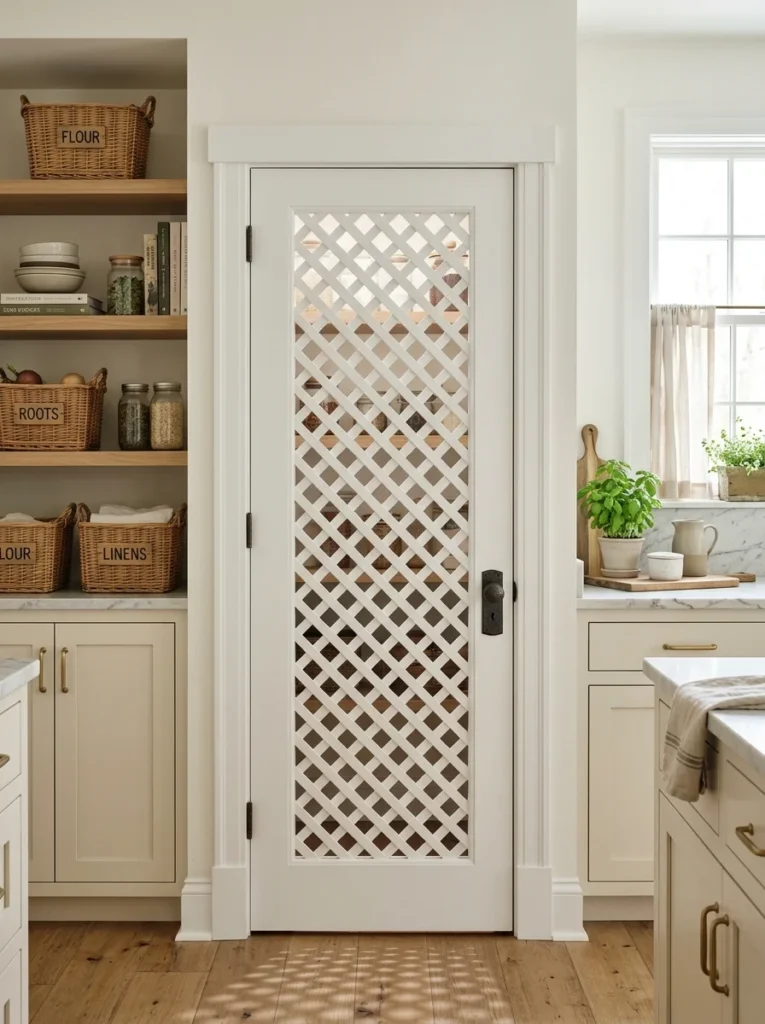
Wood lattice paneling turns a closet door into a garden-inspired feature. Thin lattice sheets attach to a door frame using trim nails and glue. This pattern allows light and air to pass through slightly. Consequently, it suits pantries and linen closets that benefit from ventilation. A crisp white paint finish keeps the pattern from feeling too busy. This idea also works well paired with woven baskets just inside the closet.
13. Stenciled Geometric Door
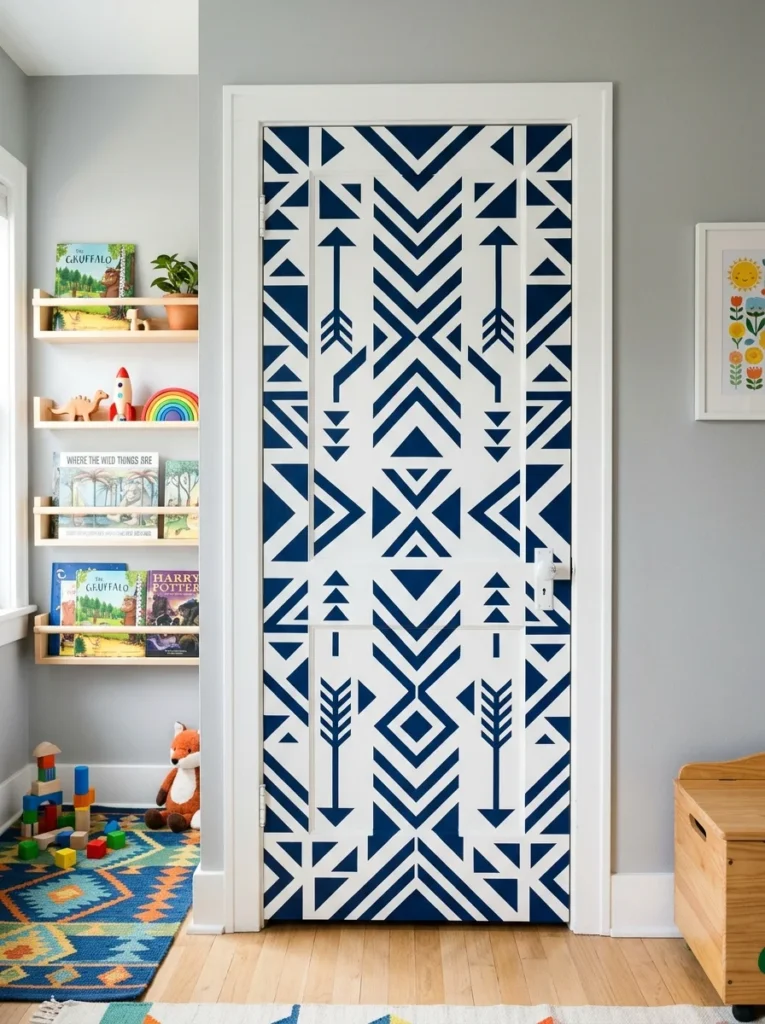
A stencil adds a graphic pattern to a plain closet door without much effort. Painter’s tape or a reusable stencil sheet keeps the lines crisp and even. Two contrasting paint colors create the boldest, most graphic result. This idea suits kids’ rooms, hallways, and playful entryways alike. A single coat of clear topcoat protects the finished pattern from scuffs. This is one of the easiest projects to do it on your own in a single afternoon.
How to Choose the Right DIY Closet Door Style
Start by considering the room’s existing color palette and furniture style. A farmhouse bedroom pairs naturally with wood slats or beadboard. Meanwhile, a modern space suits mirrored panels or frosted glass better. Think about function too, since ventilation matters in pantries and linen closets. Budget also plays a role, as paint and wallpaper cost less than new hardware. Finally, measure the opening carefully before buying any sliding track or panel material.
Common Mistakes to Avoid
Skipping proper measurements often leads to a door that sticks or hangs unevenly. Always sand and prime a door before painting for a smooth, lasting finish. Choosing a heavy material without checking track weight limits causes sagging over time. Additionally, rushing the drying time between coats leads to peeling later. Ignoring humidity levels in laundry rooms can warp wood over months. A careful, laundry room organization approach also helps plan hardware placement around nearby shelving.
FAQs About DIY Closet Door Ideas
Do I need special tools for these projects? Most projects only need a drill, level, and basic hand tools.
How long does a typical closet door update take? Most updates finish within a single weekend, including drying time.
Can renters try these ideas too? Yes, curtains, peel-and-stick wallpaper, and removable film work well for rentals.
What is the most budget-friendly option? Paint and fabric curtains cost the least among all thirteen ideas.
Do sliding doors work in small rooms? Yes, sliding doors often save more space than swinging doors.

Written by Stephanie Fallis
Mom and homemaker who shares budget friendly DIY projects, decorating tips and gardening ideas for busy families.
More about me → Uncategorized17+ Stunning Dresser Ideas You Will Absolutely Love
 Christmas ideas21 Christmas Tray Ideas for a Festive Home
 Christmas ideas21 Blue Christmas Decoration Ideas for a Stunning Home