
Natural bedding ideas bring a calm, grounded feel to any bedroom. Fabrics like linen, cotton, wool, and hemp add texture without harsh chemicals or synthetic finishes. This approach suits anyone who wants a healthier, quieter sleep space.
Earthy tones, raw textures, and breathable fibers define this style. A natural bedroom leans on muted colors, organic shapes, and materials that age with character. Wood furniture, woven rugs, and soft layered textiles round out the look.
The ideas below cover fabrics, colors, and pairings that work together. Each one offers a simple way to shift a bedroom toward a softer, more organic feel. Readers can mix a few or commit to a full natural refresh.
Organic Cotton Sheets
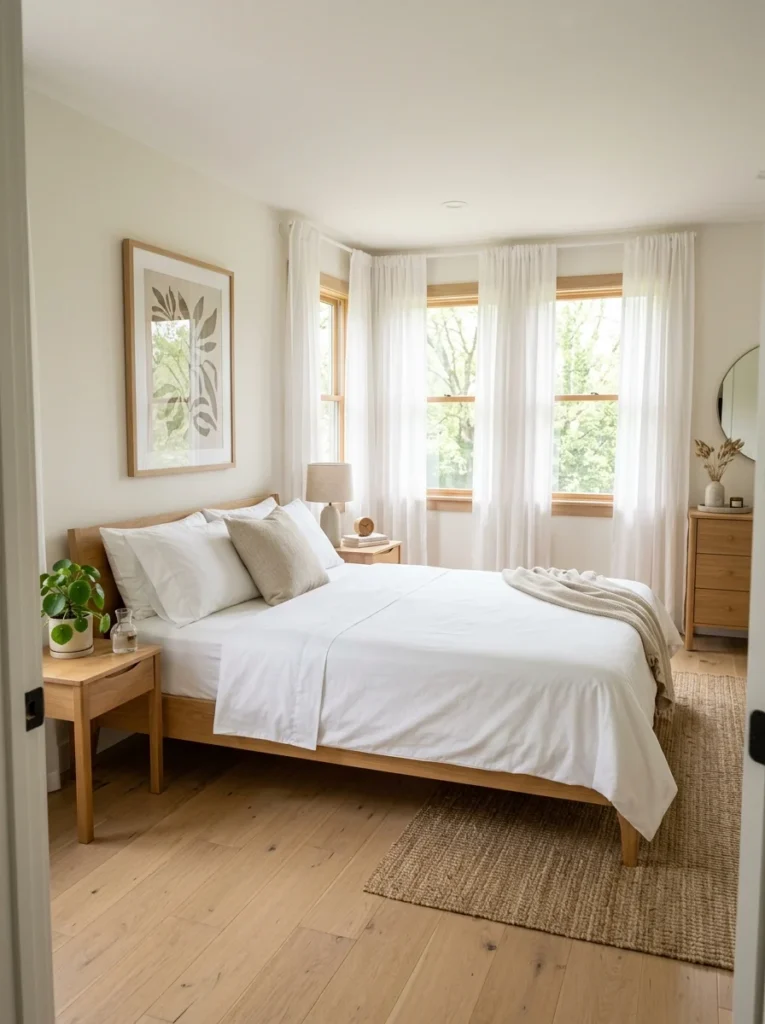
Organic cotton sheets sit at the center of most natural bedding ideas. Farmers grow this cotton without synthetic pesticides or fertilizers. As a result, the fabric feels softer and breathes better against skin. Choose a percale weave for a crisp, cool feel. Sateen weaves offer a smoother, slightly warmer finish. Both options pair well with wood bed frames and light walls.
Linen Duvet Covers

Linen duvet covers bring texture and a relaxed drape to any bed. The fabric wrinkles naturally, which adds character rather than mess. Linen also regulates temperature well, staying cool in summer and warm in winter. Stonewashed versions feel softer right away. Meanwhile, unwashed linen softens gradually with every wash cycle.
Bamboo Bedding Sets

Bamboo bedding sets offer a silky feel with strong natural credentials. Bamboo grows quickly and needs little water compared to cotton. The fibers resist odor and wick moisture away from the body. This makes bamboo sheets a smart pick for warmer climates. Pale gray or ivory bamboo sets work well in minimalist rooms.
Wool Blankets and Throws
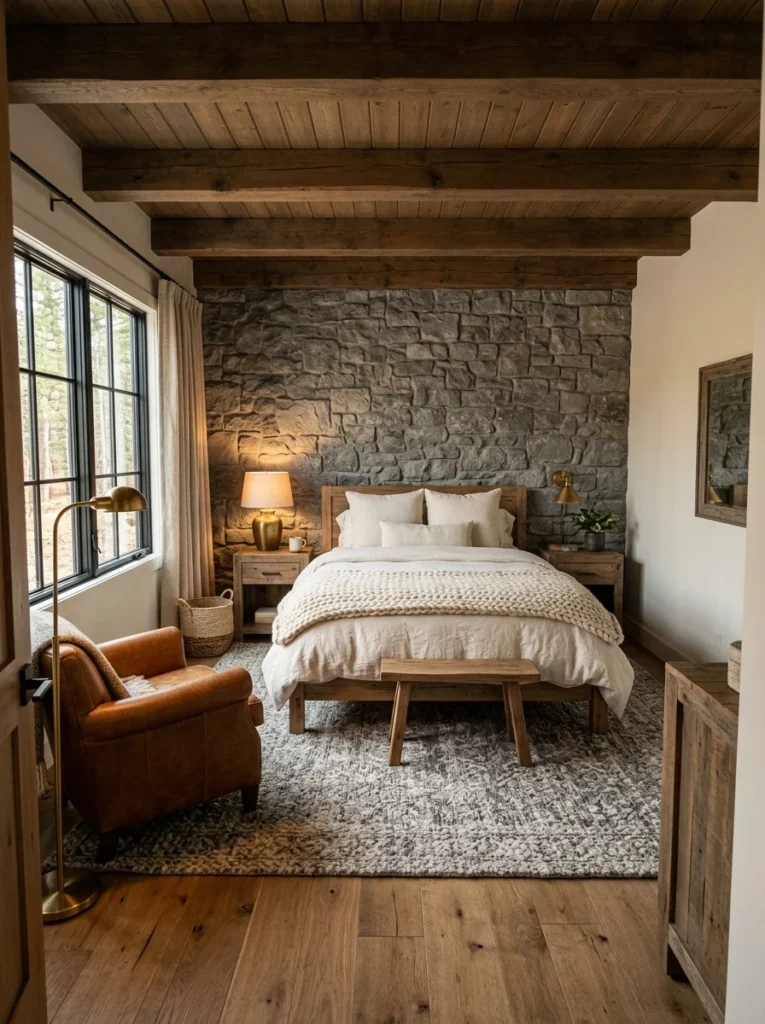
Wool blankets add warmth without synthetic fill. The fiber traps air naturally, which keeps the body warm through cold nights. A chunky knit wool throw also adds visual texture to a neutral bed. This pairing works especially well in a modern rustic bedroom, where raw materials already set the tone. Fold the throw at the foot of the bed for an easy styling trick.
Jute and Sisal Textures
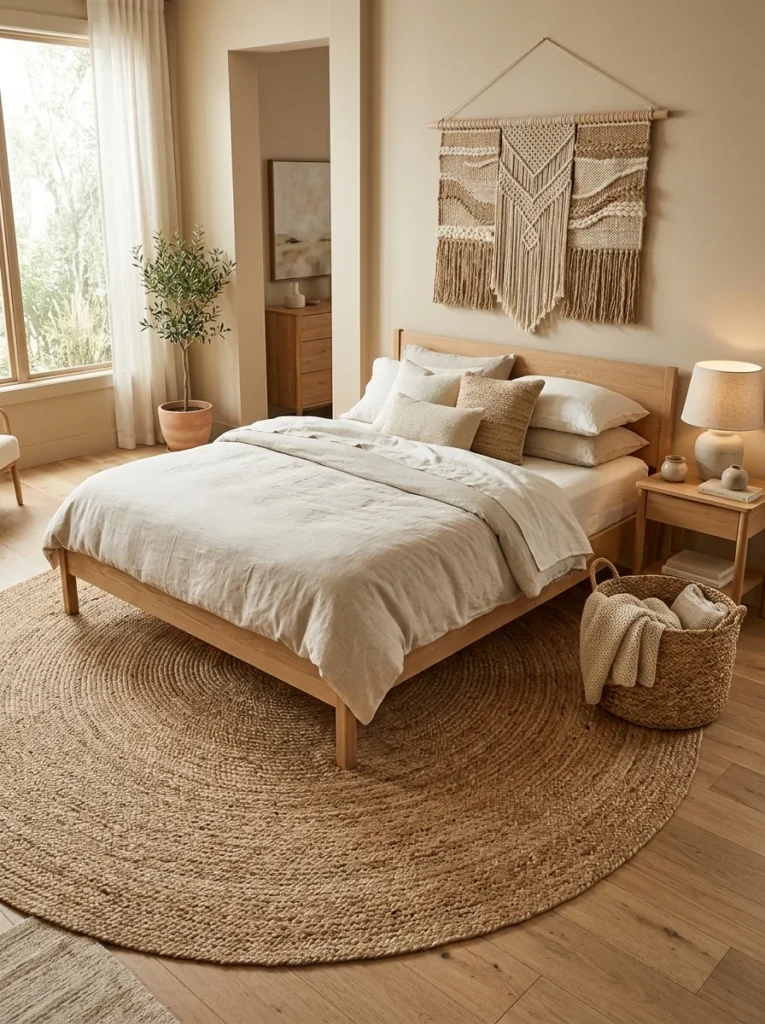
Jute and sisal rarely appear on the bed itself, but they support the overall natural bedding theme. A jute rug beneath the bed frame grounds the room in raw texture. Sisal baskets nearby hold extra throws or pillows. Additionally, these fibers add contrast against smoother cotton and linen bedding
Hemp Bedding Fabric

Hemp bedding fabric grows more durable with every wash. The plant needs far less water than cotton to grow. As a result, hemp sheets suit anyone focused on sustainability alongside comfort. The fabric starts slightly stiff but softens over time. Blended hemp-cotton sheets offer a gentler feel from the first use.
Natural Dye Bedding Colors

Natural dye bedding uses plant-based pigments instead of synthetic color. Indigo, turmeric, and walnut hulls create soft, muted shades. These colors often fade gently rather than turning harsh or blotchy. An olive green bedroom palette pairs beautifully with naturally dyed sheets in similar earthy tones. The slight variation between batches also gives each set a one-of-a-kind quality.
Layered Neutral Textiles
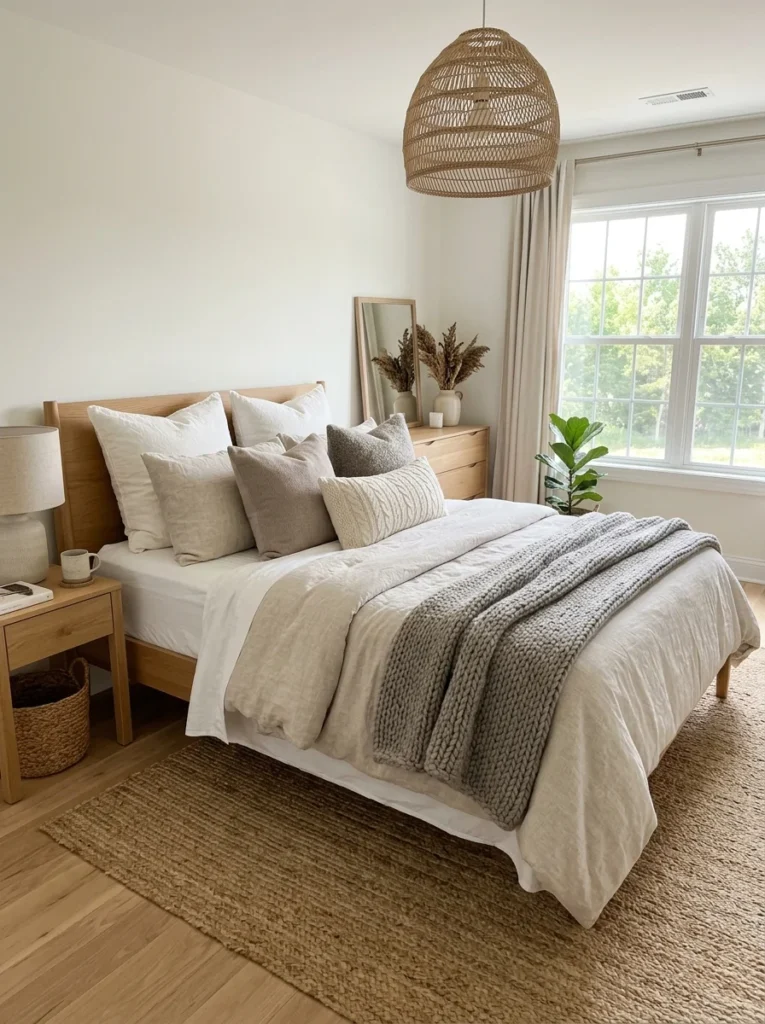
Layering builds depth into a natural bedding scheme. Start with a fitted cotton sheet, then add a linen duvet. Top the layers with a wool throw and a few textured pillows. Mixing weights and weaves keeps the bed from looking flat. This approach also works well in a light color bedroom, where texture carries most of the visual interest.
Rattan and Wicker Headboard Pairings

A rattan or wicker headboard pairs naturally with soft cotton or linen bedding. The woven texture adds warmth without heaviness. This combination suits coastal, boho, and Japandi bedrooms alike. Keep the bedding palette simple so the headboard stays the visual focus. Cream, oatmeal, and soft taupe tones work especially well here.
Undyed Cotton Basics
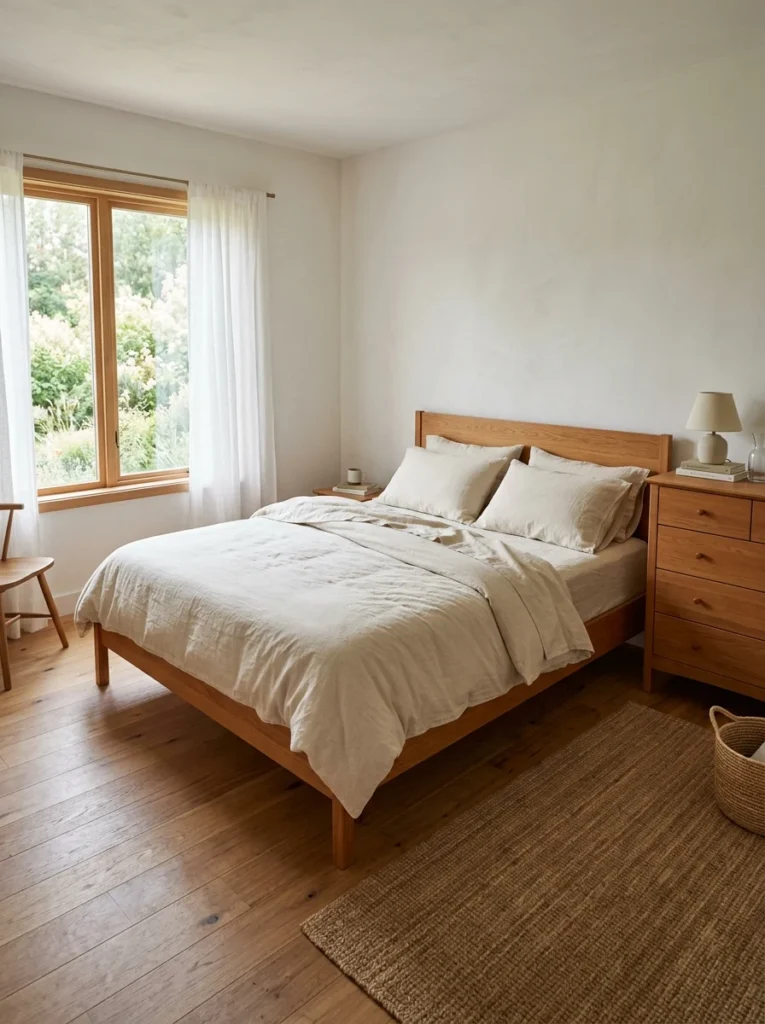
Undyed cotton sheets skip the dyeing process entirely. The fabric keeps its natural off-white or ecru shade. This option suits sensitive skin and reduces water use during manufacturing. Undyed cotton also blends easily with almost any bedroom color scheme. Pair it with warm wood furniture for a grounded, uncomplicated look.
Tencel and Lyocell Sheets
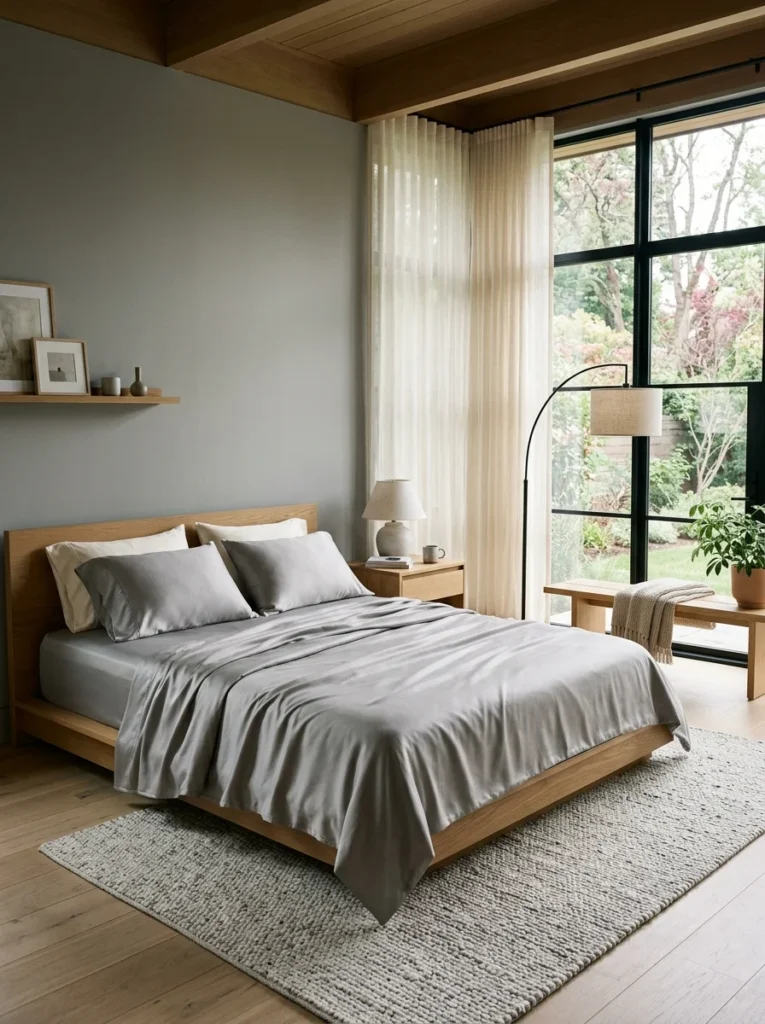
Tencel and lyocell come from sustainably harvested wood pulp. The fibers feel silky and drape close to the body. Manufacturers process these fibers in a closed-loop system, which limits chemical waste. Tencel sheets also resist wrinkles better than pure linen. This makes them a practical choice for anyone who wants low-maintenance natural bedding.
Wool Filled Comforters

Wool filled comforters regulate temperature more evenly than down alternatives. The fiber pulls moisture away from the body during sleep. As a result, wool comforters suit people who sleep hot or experience night sweats. A simple cotton cover keeps the comforter easy to wash. This pairing works well in bedding for men that favors a plain, functional look.
Woven Cotton Throws
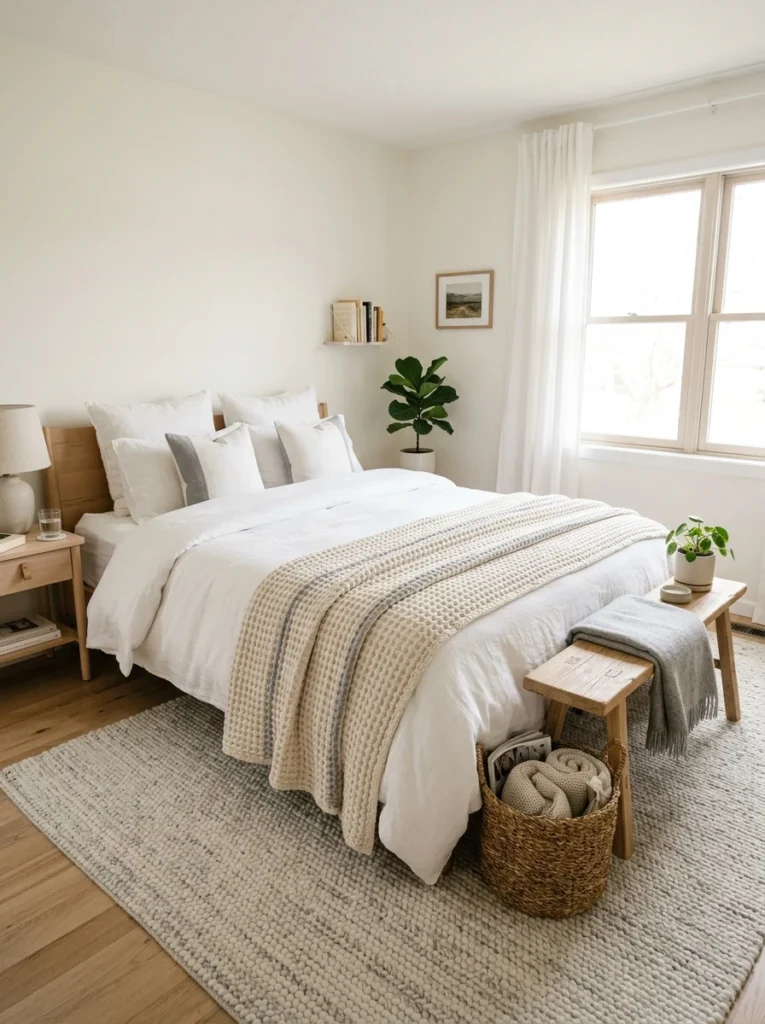
A woven cotton throw adds pattern without introducing synthetic materials. Look for chunky waffle weaves or simple stripe patterns. These throws work well folded over a bench or draped across the foot of the bed. However, avoid mixing too many patterns within one natural bedding set. One statement throw usually reads better than several competing prints.
Natural Fiber Rugs Underfoot

A natural fiber rug ties the bedding palette to the floor. Wool, jute, and seagrass rugs all bring texture underfoot. These materials also hold up well over time compared to synthetic blends. Choose a rug tone that echoes the bedding rather than competing with it. A forest green bedding set pairs nicely with a wool rug in a similar deep, earthy shade.
Stonewashed Linen Pillowcases
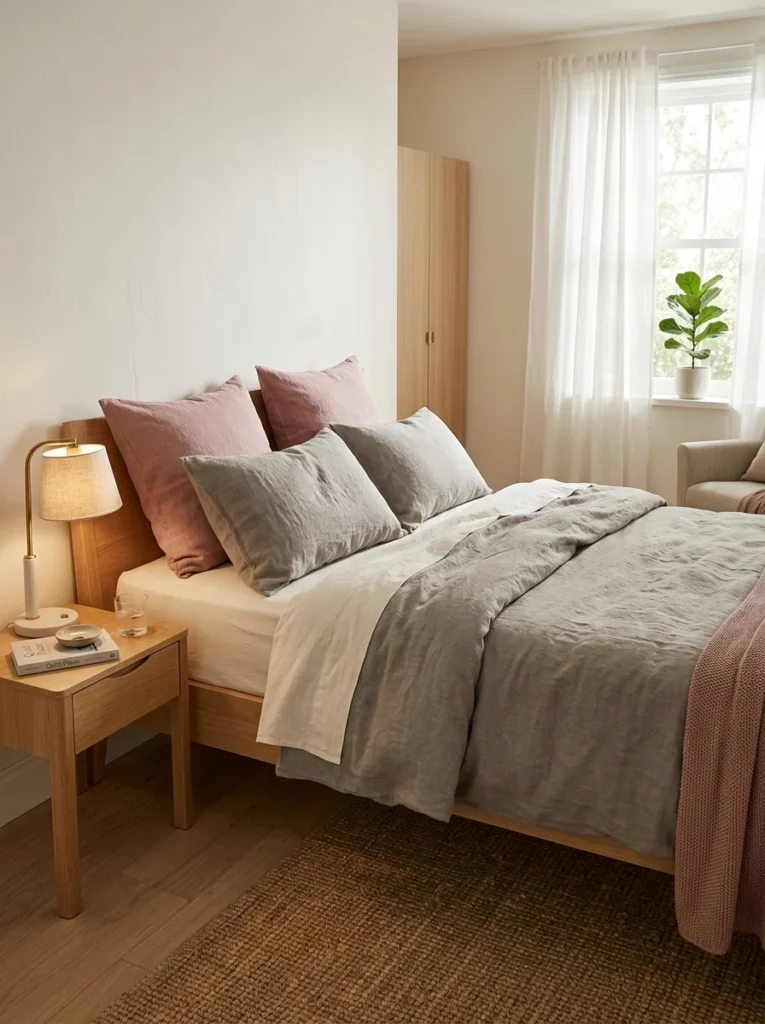
Stonewashed linen pillowcases feel soft from the very first night. The stonewashing process breaks down the fibers slightly before sale. This creates a relaxed drape and a slightly rumpled look. Stonewashed linen also resists staining better than crisper cotton weaves. Mix and match colors within the same fabric family for a cohesive bed.
Cork and Wood Bed Frame Pairings
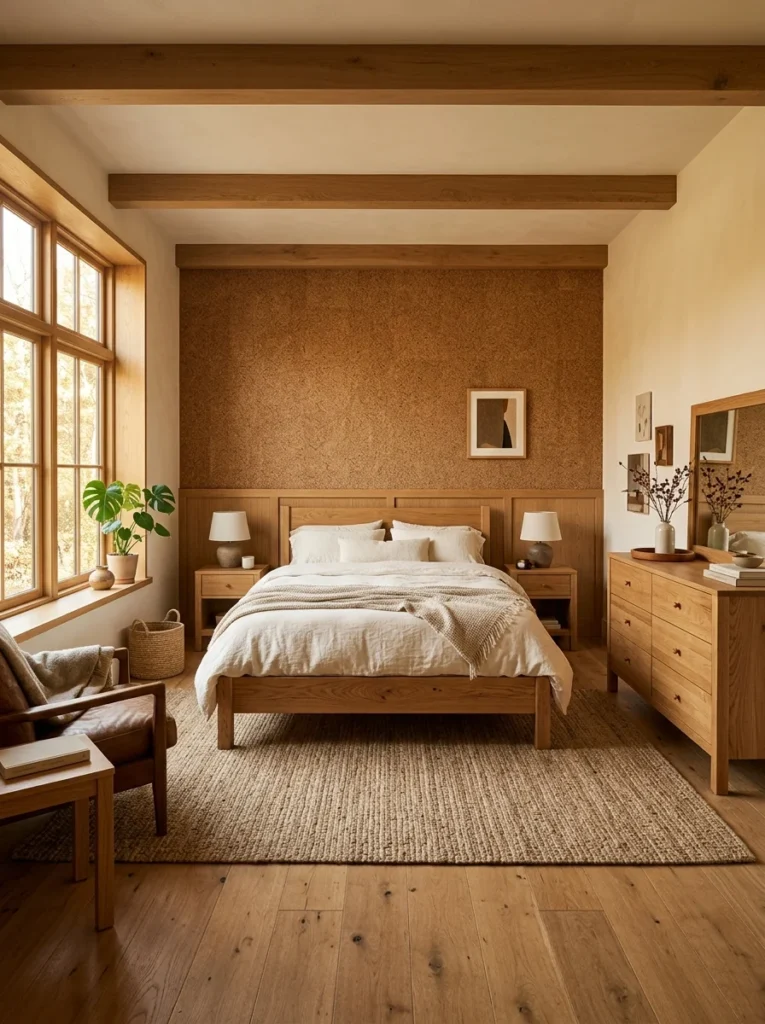
Cork and solid wood bed frames complete a natural bedding theme from the ground up. Both materials come from renewable sources and age gracefully. A wood bedroom setup grounds soft linen or cotton bedding in something sturdy and tactile. Choose a light oak or walnut finish depending on the room’s overall warmth. This pairing anchors the entire natural bedding concept in one cohesive scheme.
How to Choose Natural Bedding Materials
Start by checking fiber content on the label before buying. Look for terms like organic cotton, European flax linen, or Tencel lyocell. Additionally, consider climate and personal temperature preferences. Linen suits warm sleepers, while wool suits those who run cold. Weight matters too, since a heavier weave feels different from a lightweight gauze. Testing fabric in person, when possible, helps confirm the right feel before committing.
Common Mistakes to Avoid with Natural Bedding
Many shoppers assume natural always means low maintenance, which is not always true. Some fibers, like raw silk, need gentle hand washing or dry cleaning. Others shrink if washed on a hot cycle. Skipping the care label often leads to disappointment. Another common mistake involves overwashing linen, which can wear down the fibers faster than expected. Reading care instructions carefully prevents most of these issues.
DIY Natural Bedding Projects You Can Do on Your Own
Several natural bedding upgrades work well as do it on your own projects. Hand-dyeing plain cotton sheets with turmeric or onion skins creates a custom color. Sewing simple linen pillow covers also cuts costs compared to store-bought options. A no-sew fringe trim adds texture to a plain cotton throw in under an hour. These small projects let anyone personalize a natural bedding setup without a large budget.
FAQs about Natural Bedding Ideas
Is linen bedding worth the higher price? Linen lasts longer than many synthetic blends and softens with each wash, which often justifies the cost over time.
Can natural bedding help with allergies? Organic cotton and bamboo resist dust mites better than some synthetic fabrics, though results vary by individual sensitivity.
How often should natural bedding be washed? Most natural fabrics do well with washing every one to two weeks, though wool items need far less frequent care.
Does natural bedding fade faster in sunlight? Naturally dyed fabrics can fade gradually with direct sun exposure, so rotating bedding placement helps preserve color over time.

Written by Stephanie Fallis
Mom and homemaker who shares budget friendly DIY projects, decorating tips and gardening ideas for busy families.
More about me → Bedroom14+ Charming Sleepover Aesthetic Ideas
 Uncategorized16+ Gorgeous Bedroom Red Wall Paint Combinations Ideas You’ll Love
 Uncategorized17+ Stunning Couple Romantic Bedroom Ideas You Will Absolutely Love